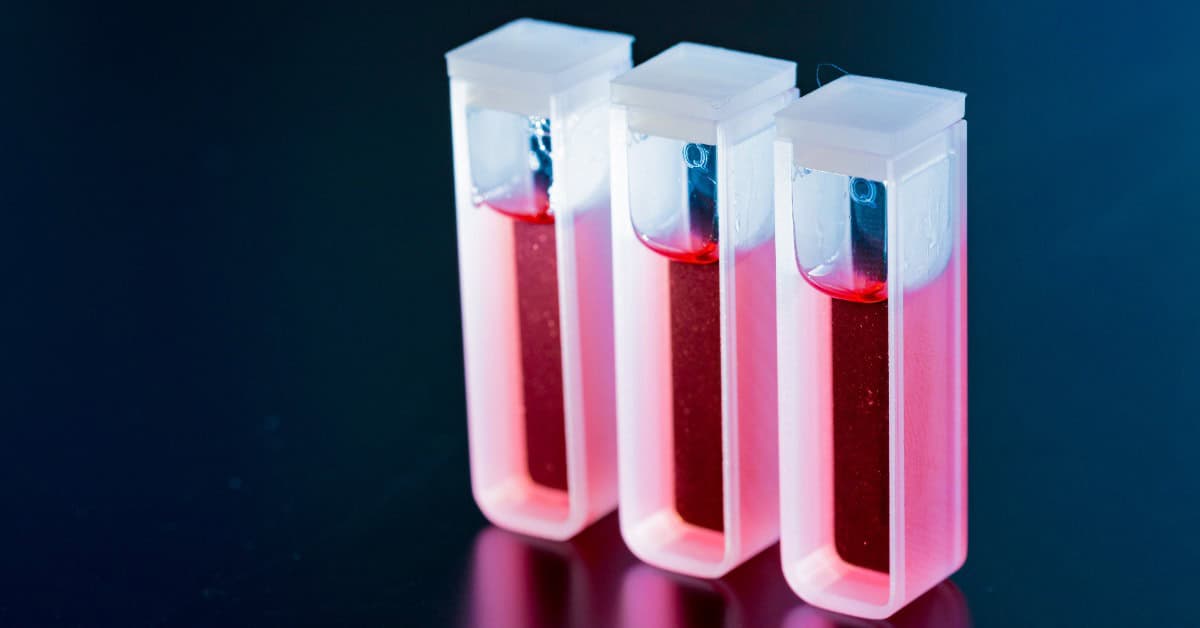
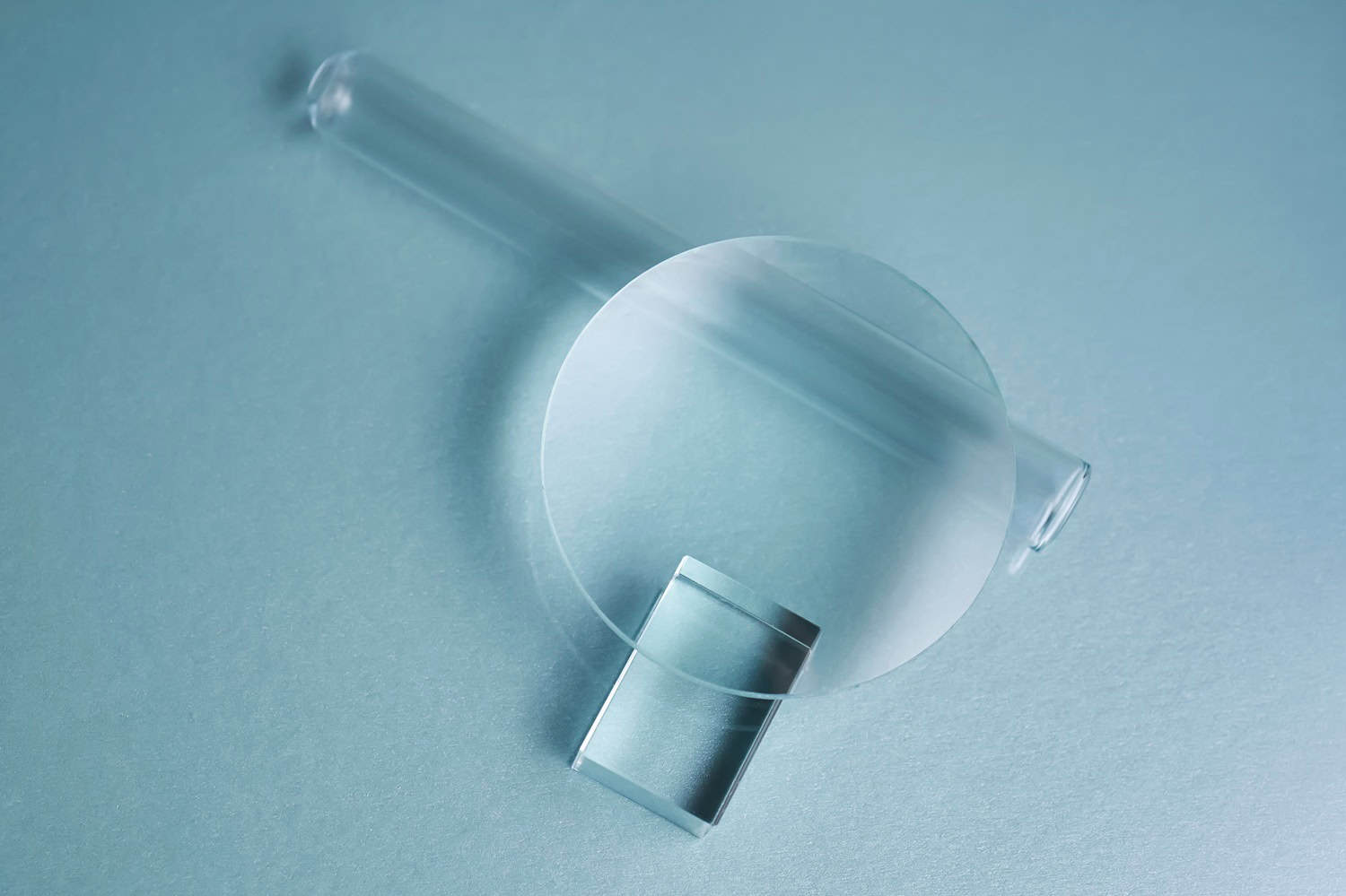
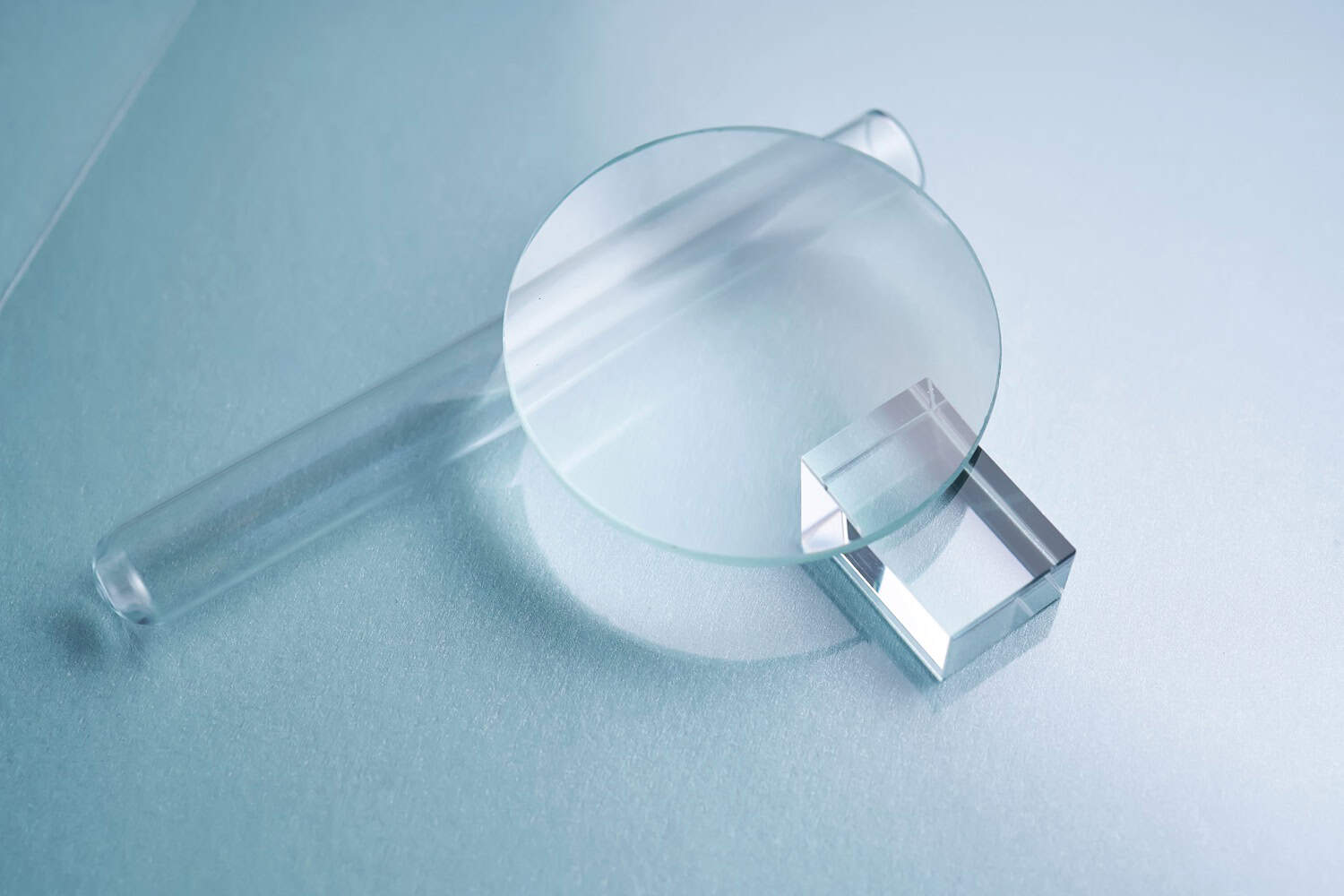
Learn why fused quartz supports UV optical transmission and how purity, thickness, surface quality, and heat resistance shape its performance in applications.
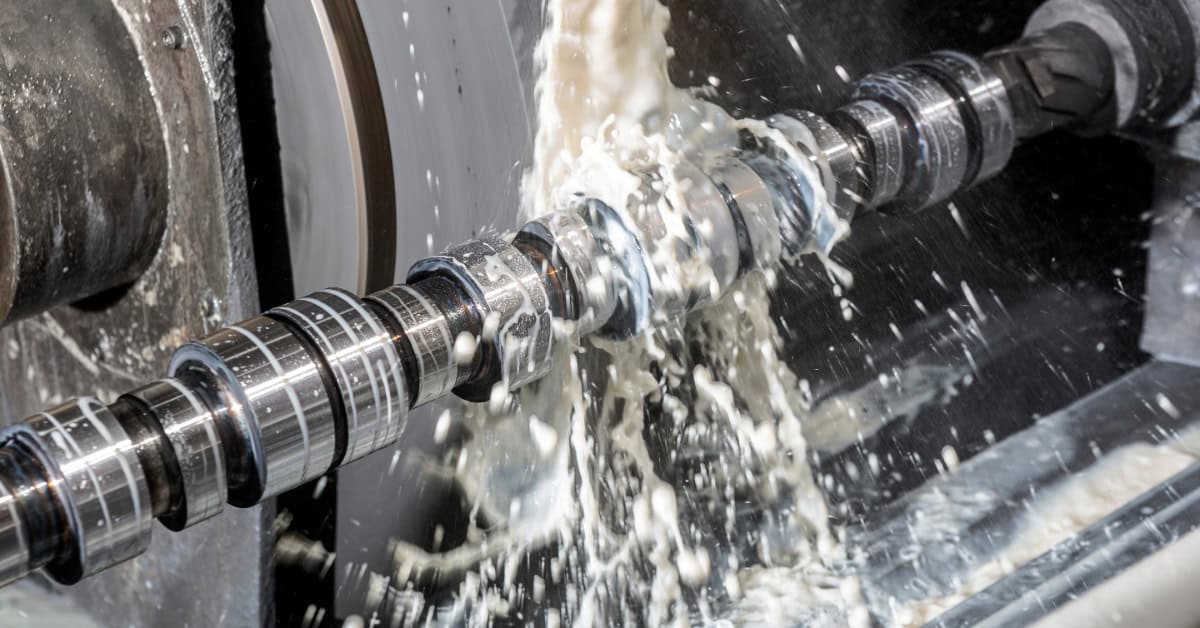
Compare alumina, silicon carbide, diamond, and CBN abrasives for grinding. Learn about hardness, purity, grit, and workpiece material and shape selection.
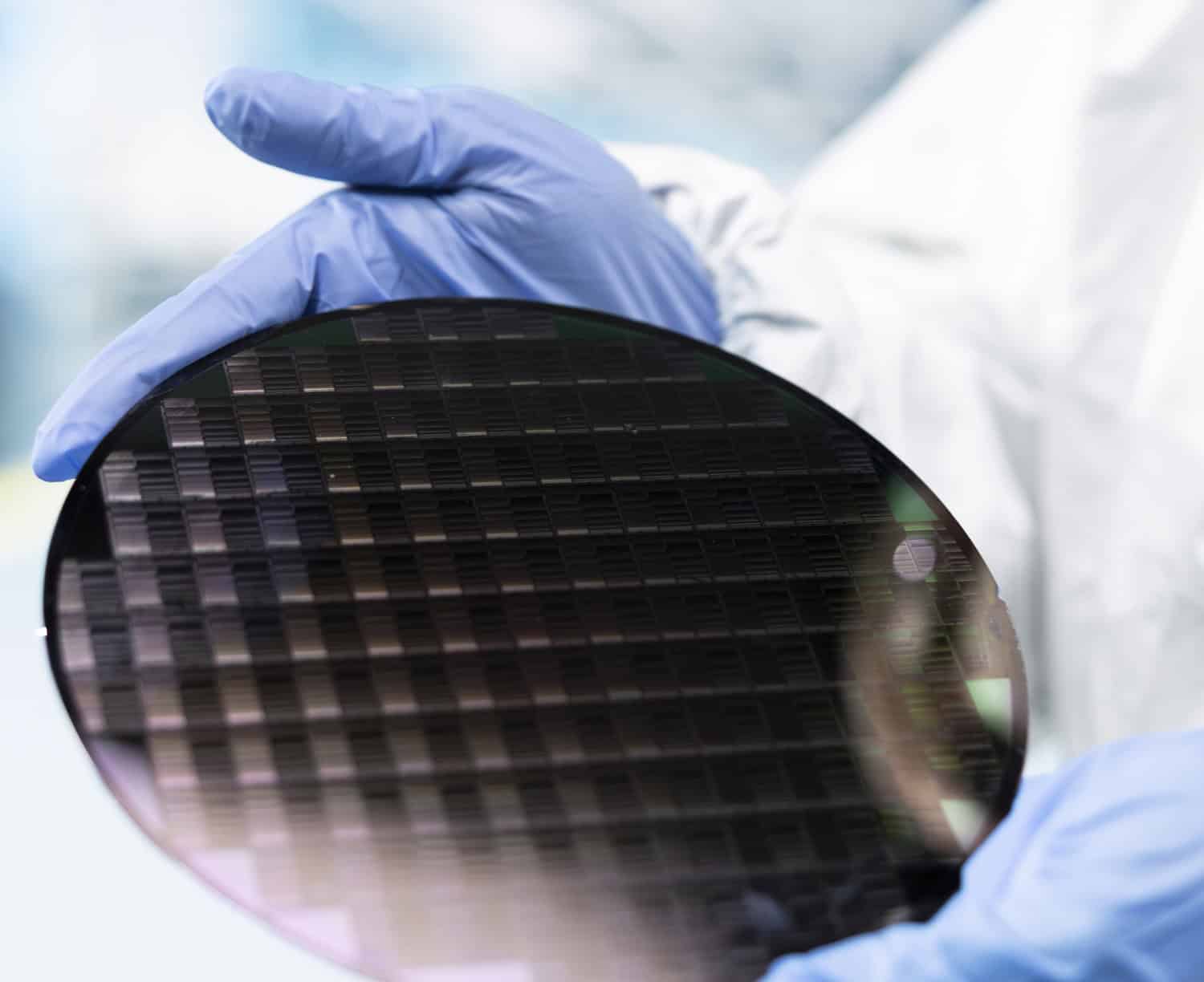
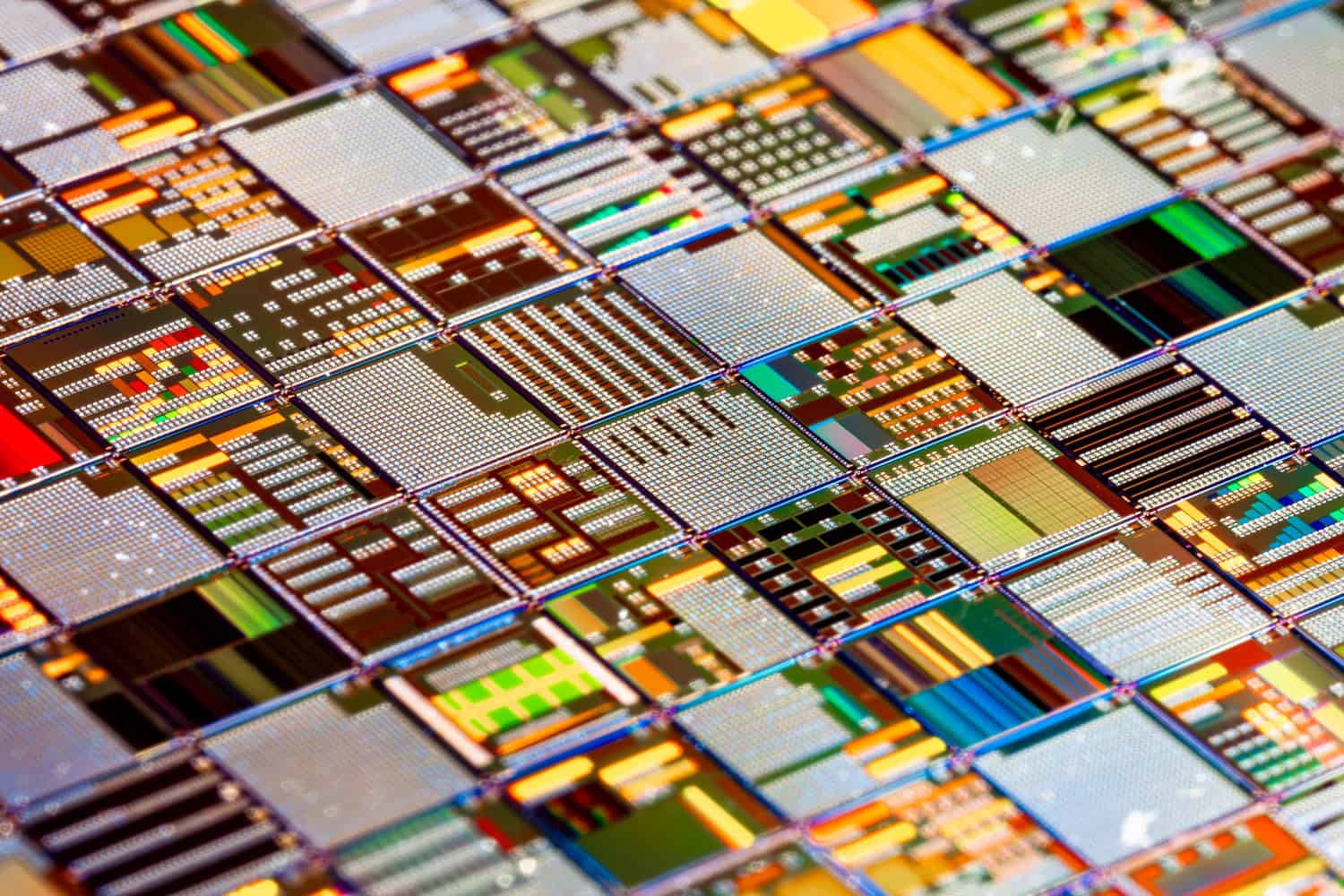
Everyone talks about AI chips. NVIDIA, Apple Silicon, custom TPUs these names fill headlines constantly. But the performance of these processors depends on far more than silicon alone. Behind every…
The world is in mid-transition. Renewable capacity is growing. Hydrogen is being taken seriously as a clean fuel and energy carrier. Nuclear is making a comeback after decades of stagnation.…
Most everyday engineering materials have temperature limits that are easy to overlook. Aluminum melts. Many steels lose strength or approach their melting range. Polymers decompose, char, or burn. At 3,000…
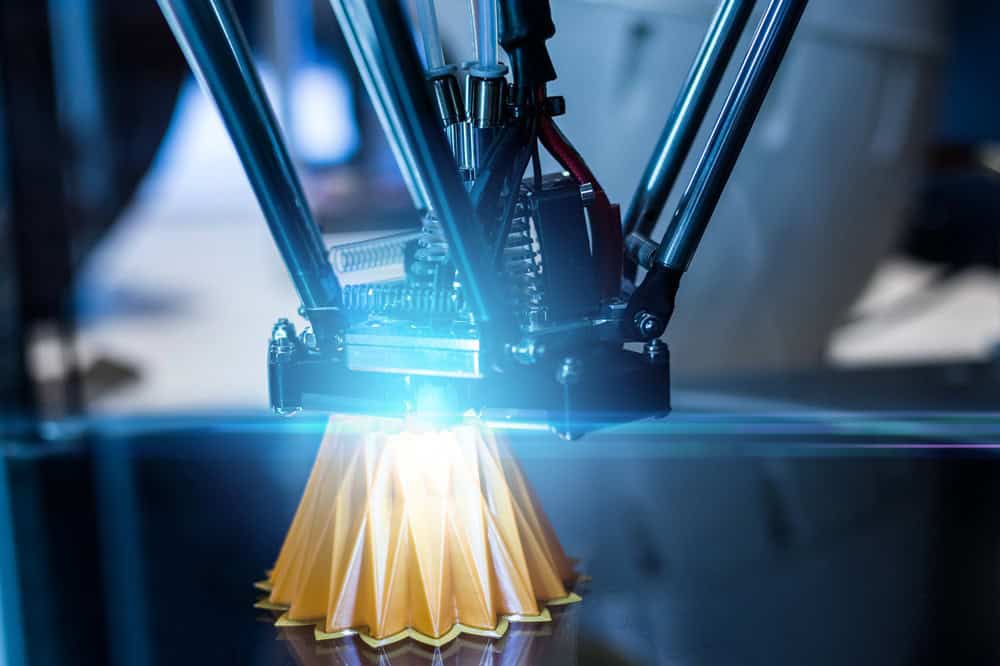
Ask most people what 3D printing is and they picture a desktop machine extruding plastic. Industrial additive manufacturing today has moved far beyond that image. Today, advanced users are developing…
Alumina powder doesn’t make headlines the way semiconductors or electric vehicles do. But it shows up in both. It shows up in the sapphire wafer your LED is built on.…
When a surface finish specification reads Ra < 1 nm, or when the material being polished is harder than every conventional abrasive in your supply cabinet, there’s only one answer…
Every engineer who has ever watched a conventional glass window crack under pressure, fog under chemical exposure, or shatter in thermal shock knows exactly why material selection matters. When your…
You’ve walked under LED streetlights, used a smartphone with an impossibly scratch-resistant camera lens, and watched displays that render color with striking clarity. What you probably haven’t considered is the…
Most engineers discover sapphire’s true capabilities only after other materials have already let them down. It isn’t something you stumble across early in a project. But once you understand what…
No material on Earth matches diamond for hardness. That single property drives its widespread use across industrial cutting, drilling, and grinding applications where conventional tool materials wear out too quickly,…
Heat is the enemy of electronics. Every watt flowing through a semiconductor, power module, or LED system generates thermal energy that must move quickly or temperatures rise, performance drops, and…
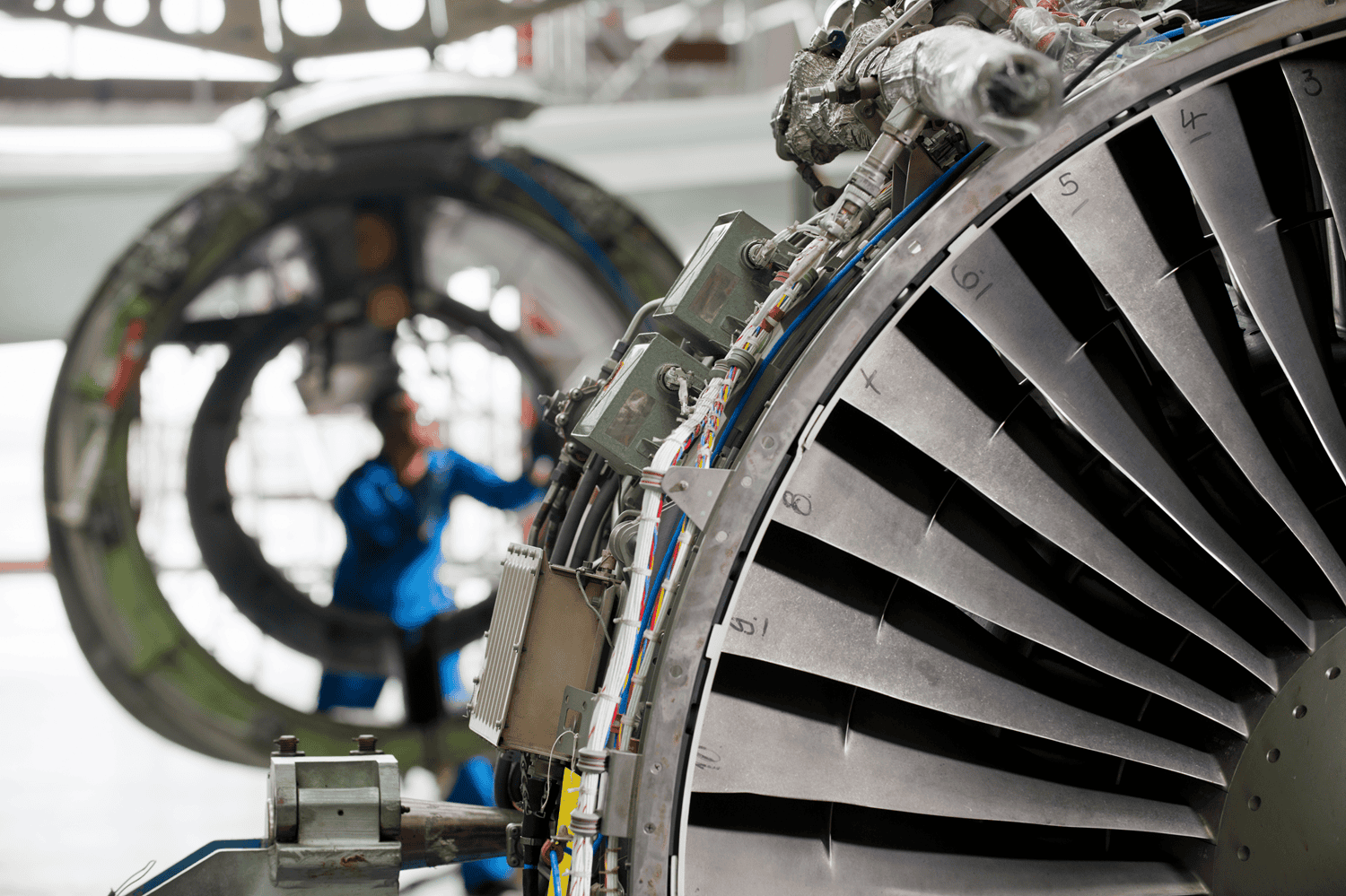
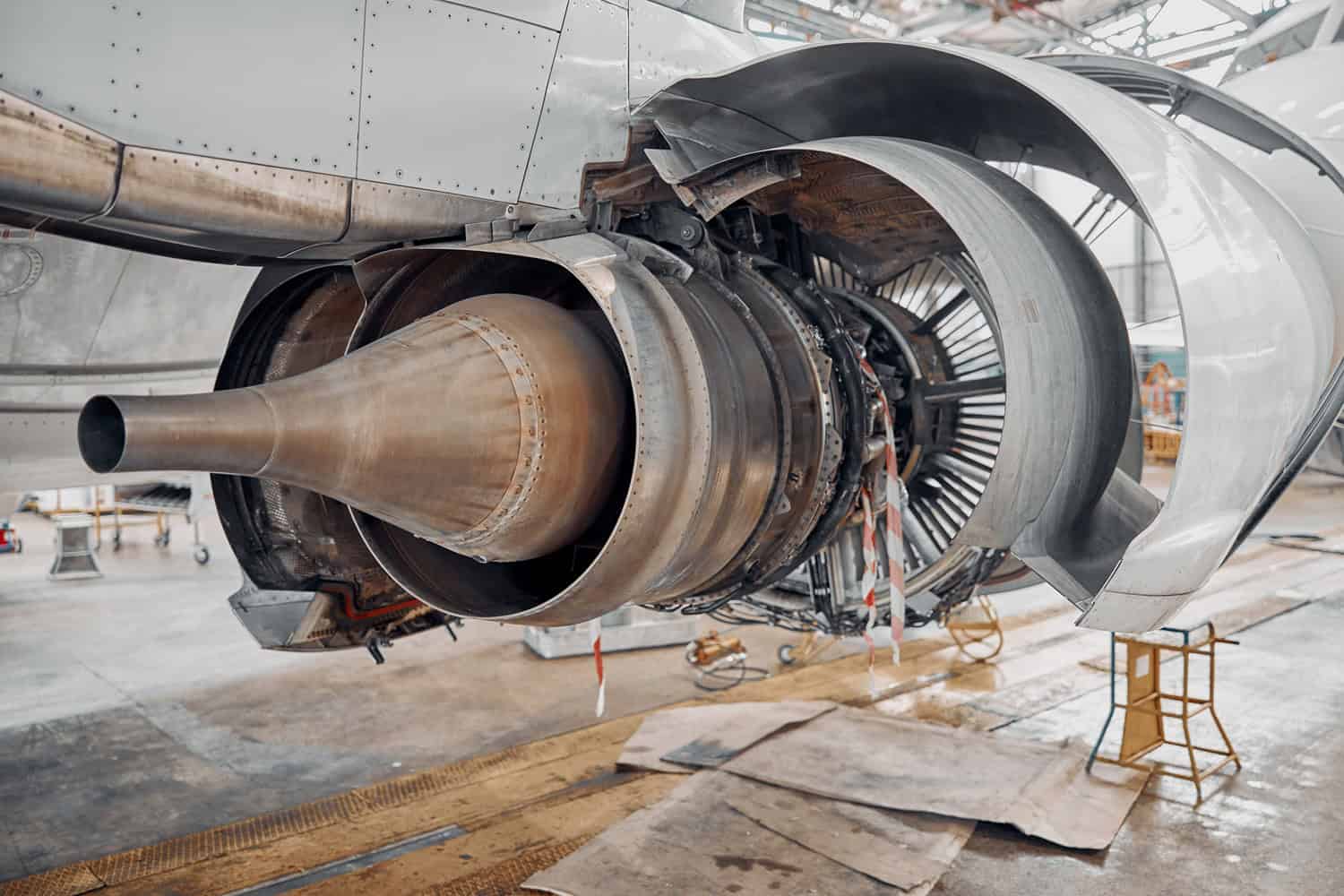
Push an aircraft engine to full thrust and temperatures inside the combustion section easily exceed 1,400°C. Launch a spacecraft and the thermal loads during re-entry climb above 1,600°C. Fly a…
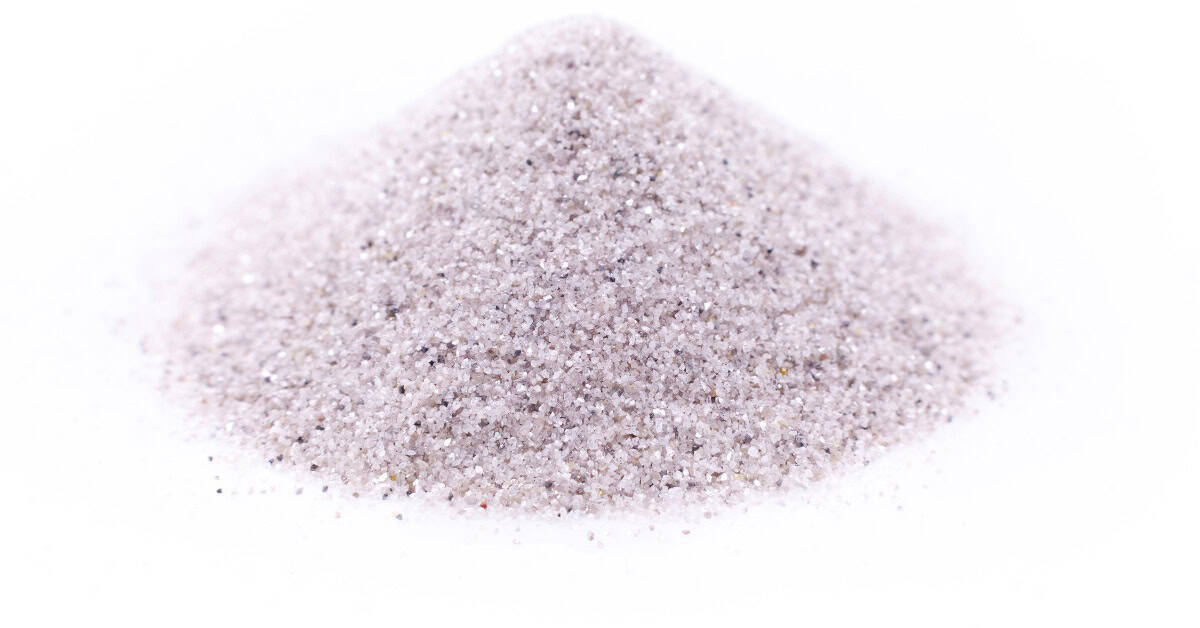
Quartz sand is one of the most abundant minerals on Earth, yet very few materials in modern industry are as carefully specified or as demanding to source correctly. From the…
Run a high-temperature process with the wrong powder and you’re gambling with every cycle. Contaminants don’t stay quietly in place when temperatures climb past 1000°C. They migrate, react, and destabilize.…
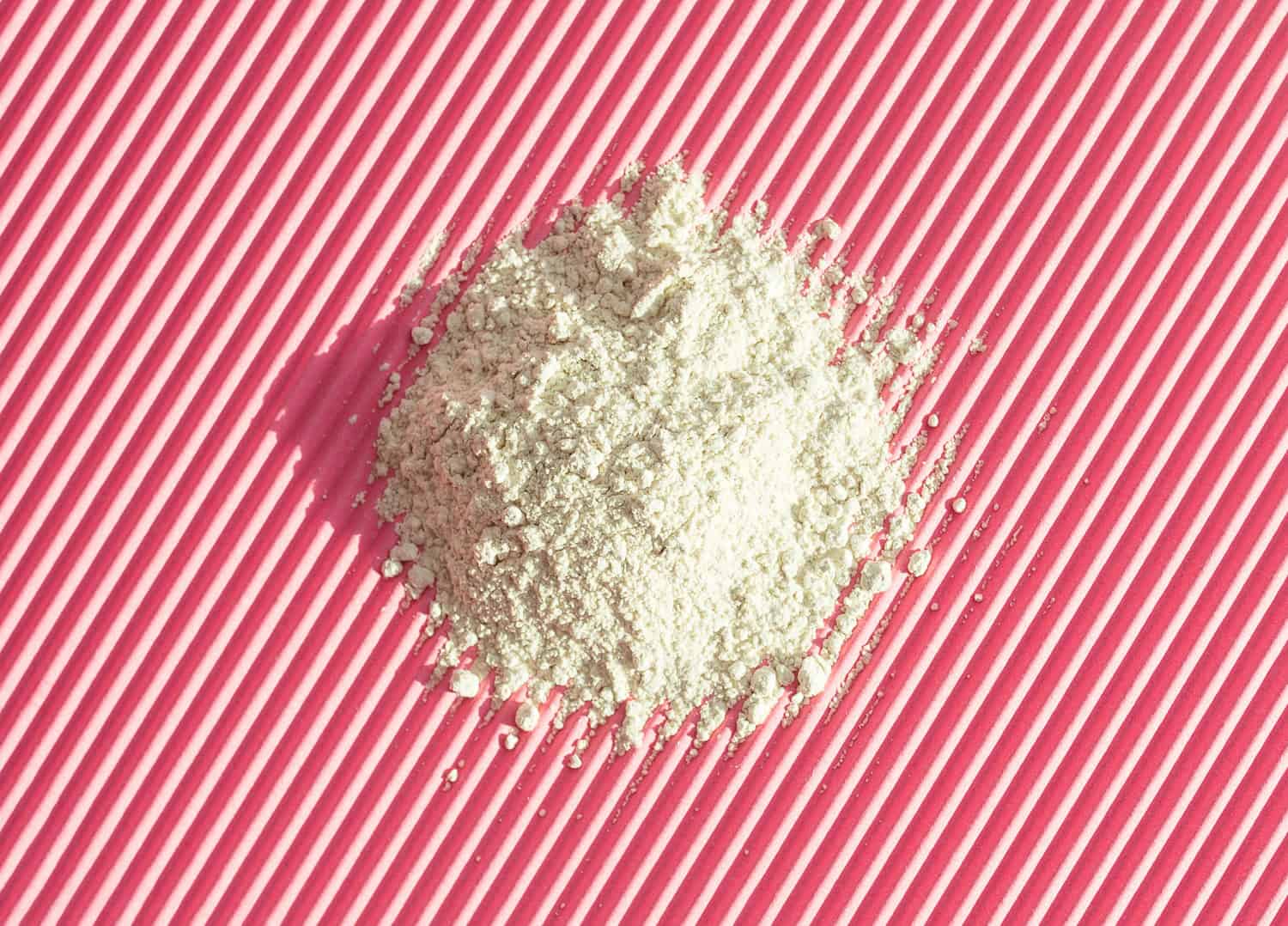
Pick the wrong abrasive powder and you’ll spend hours redoing work, scrapping parts, or chasing defects that shouldn’t exist. Pick the right one and your surfaces come out clean, smooth,…
The global transition to renewable energy has placed solar power at the forefront of innovation. As demand for more efficient, cost-effective solar panels grows, the materials enabling this transformation deserve…
When you’re operating equipment in the vacuum of space, withstand rapid thermal cycling, or perform reliably in harsh aerospace and defense conditions, material selection becomes life-or-death critical. There’s no room…
When you’re manufacturing semiconductor devices with features comparable to or smaller than many viruses—transistors measuring just nanometers across—material selection becomes absolutely mission-critical. There’s zero room for compromise. Even trace contamination…
When you’re running processes at temperatures exceeding 1,000°C, material selection becomes absolutely critical. Regular glass shatters. Many metals oxidize or deform. Ceramics can work but often lack the specific properties…
The Growing Demand for High-Performance Materials Engineers face mounting pressure to design systems that operate in increasingly hostile environments. Extreme temperatures destroy conventional materials. Corrosive chemicals eat through metal components.…
In today’s high-tech manufacturing landscape, precision matters more than ever. Whether you’re developing cutting-edge optical instruments or fabricating semiconductor devices at nanometer scales, the materials you choose directly impact your…
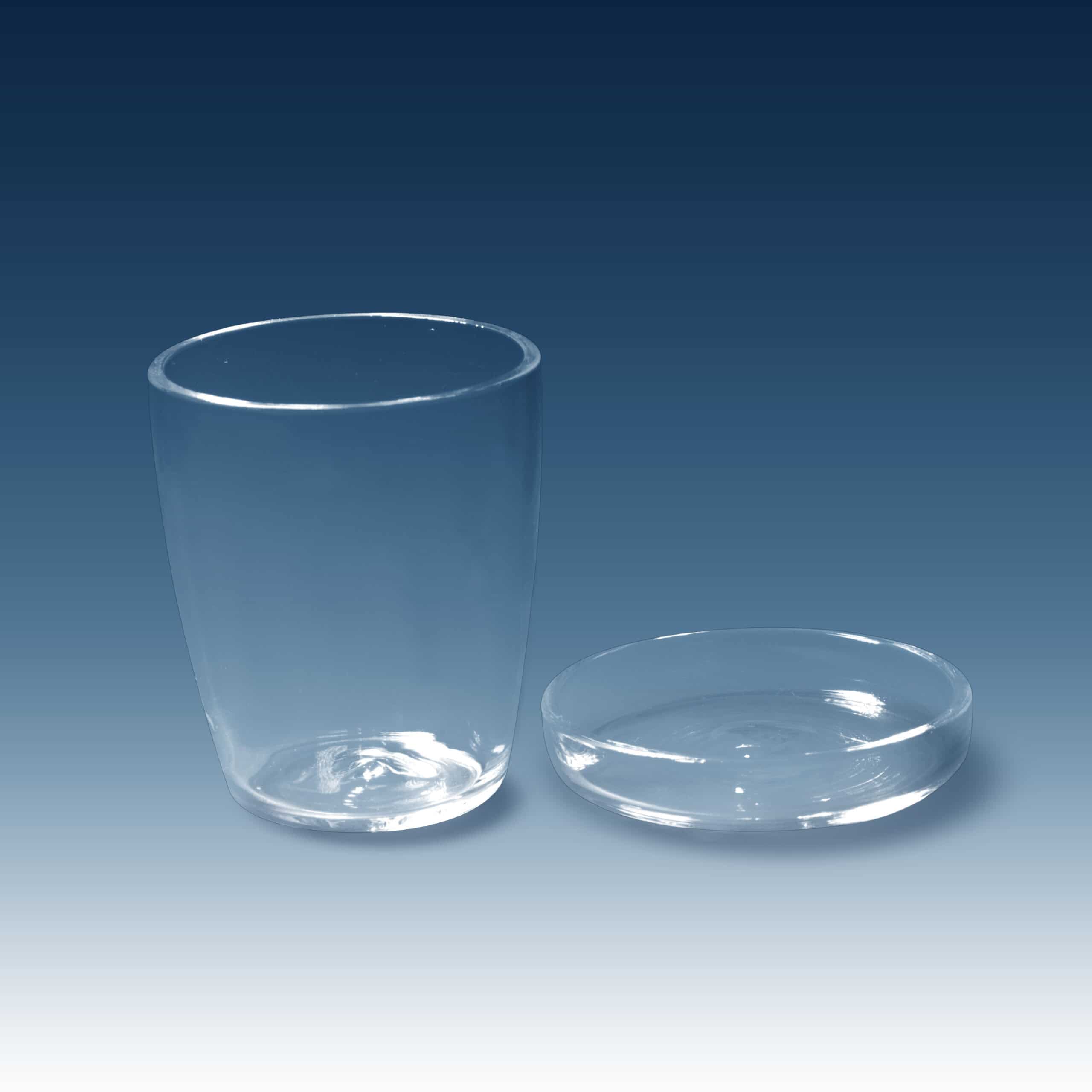
When you’re working with materials that need to withstand extreme temperatures—often up to 1,000–1,200°C in continuous service—you can’t just grab any container off the shelf. That’s where fused quartz crucibles…
Thick film circuitry sits at the intersection of materials science and high-volume manufacturing.When electronic functionality must be built directly onto a ceramic substrate, thick film circuitry is often the most…
Electronic systems have evolved rapidly from those large, bulky systems to smaller devices that you can carry in your pocket. This shift pushes toward higher speeds and increased power density,…
Electric vehicles, communications hardware, and space systems are now built to work closer to their maximum temperature limits. Parts that once stayed within safe temperatures now face constant heat during…
High-temperature research pushes your equipment into conditions where material limits become apparent quickly. Heat can soften vessels, accelerate chemical reactions at contact surfaces, and create thermal gradients that crack labware…
Ceramic components are used in engineering and manufacturing applications where metals and polymers cannot perform reliably. They function reliably in high heat, hold up in chemically aggressive conditions, and do…
Understanding Fused Quartz in Modern Engineering Engineers working on cutting-edge projects face a persistent challenge: finding materials that withstand extreme conditions without compromising performance. Standard glasses crack under thermal stress.…
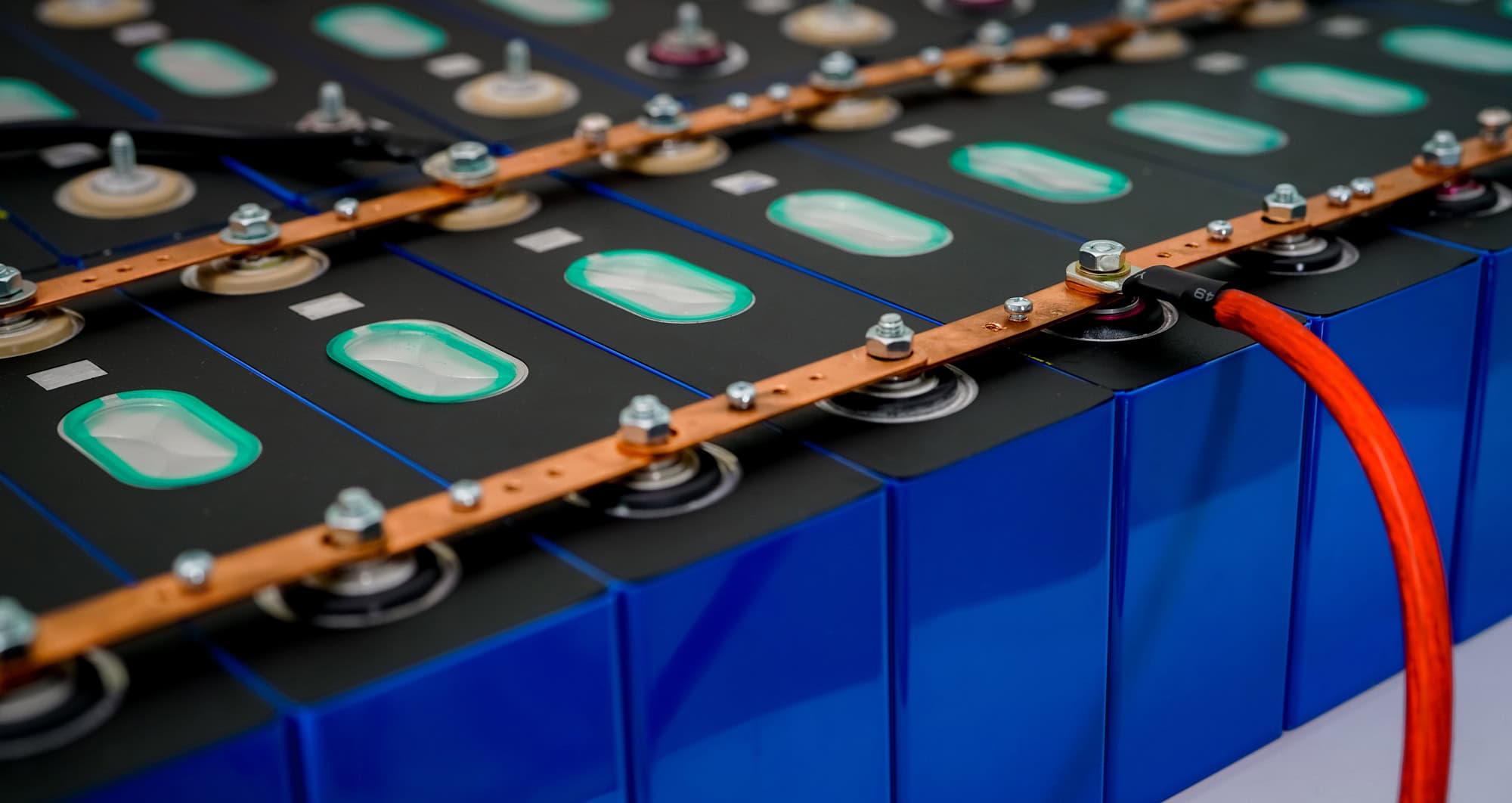
The electric vehicle (EV) industry is growing at an unprecedented pace, driven by consumer demand, environmental regulations, and advances in battery technology. At the heart of every EV is the…
Ceramics have long been celebrated for their remarkable ability to withstand extreme conditions, making them indispensable across a wide range of industries. From aerospace components that must endure hypersonic speeds…
Extreme corrosion is one of the most challenging issues facing high-temperature and industrial applications. When materials are exposed to aggressive chemicals, reactive gases, moisture, and extreme heat, standard metals and…
Advanced ceramic components are playing an increasingly vital role in high-tech industries, particularly in aerospace and semiconductor manufacturing. These materials are no longer confined to laboratory experiments; they are critical…
High-temperature materials like alumina, zirconia, and sapphire are more than just lab curiosities, they are the backbone of numerous industrial applications, bridging the gap between research discoveries and real-world production.…
Choosing the right ceramic or crystal material for extreme-temperature applications is a critical decision that can determine the success, efficiency, and longevity of your project. Whether you are designing furnace…
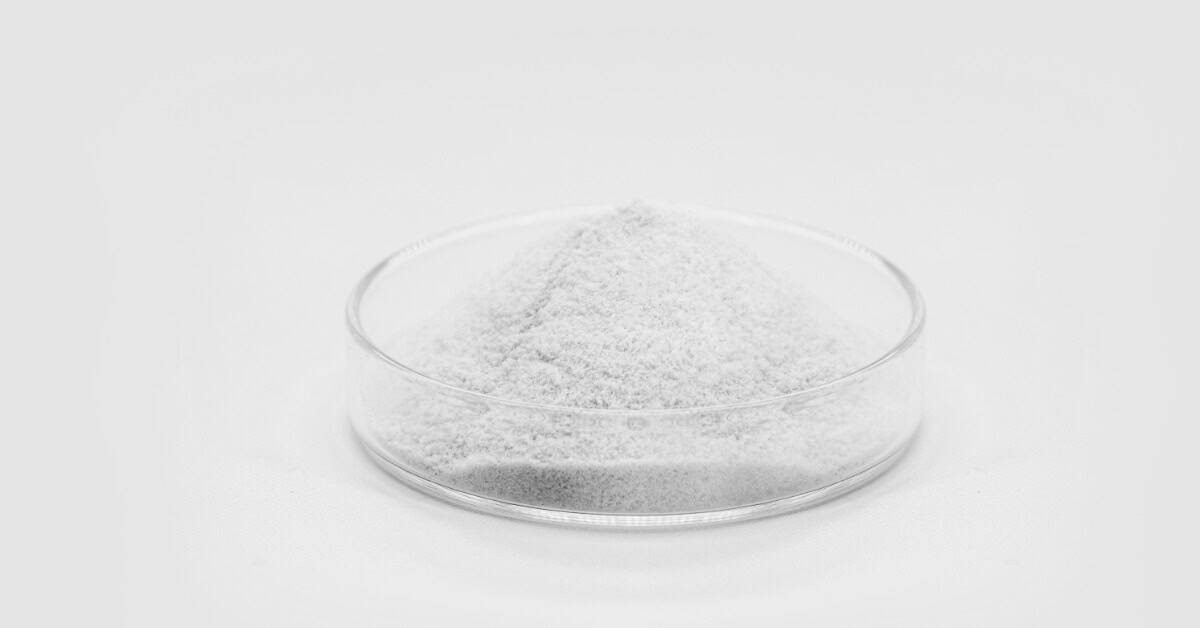
When it comes to advanced research and high-performance manufacturing, the materials you start with often determine the success or failure of the final product. That’s especially true for high-purity powders,…
Every high-precision surface begins with the right polishing material. Whether the goal is to produce defect-free glass, flawless wafers, or optical components with perfect transparency, the polishing compound determines the…
Every scientific and engineering advance begins with a material that performs as intended — one that resists heat, corrosion, or wear when the limits of conventional materials are exceeded. Progress…
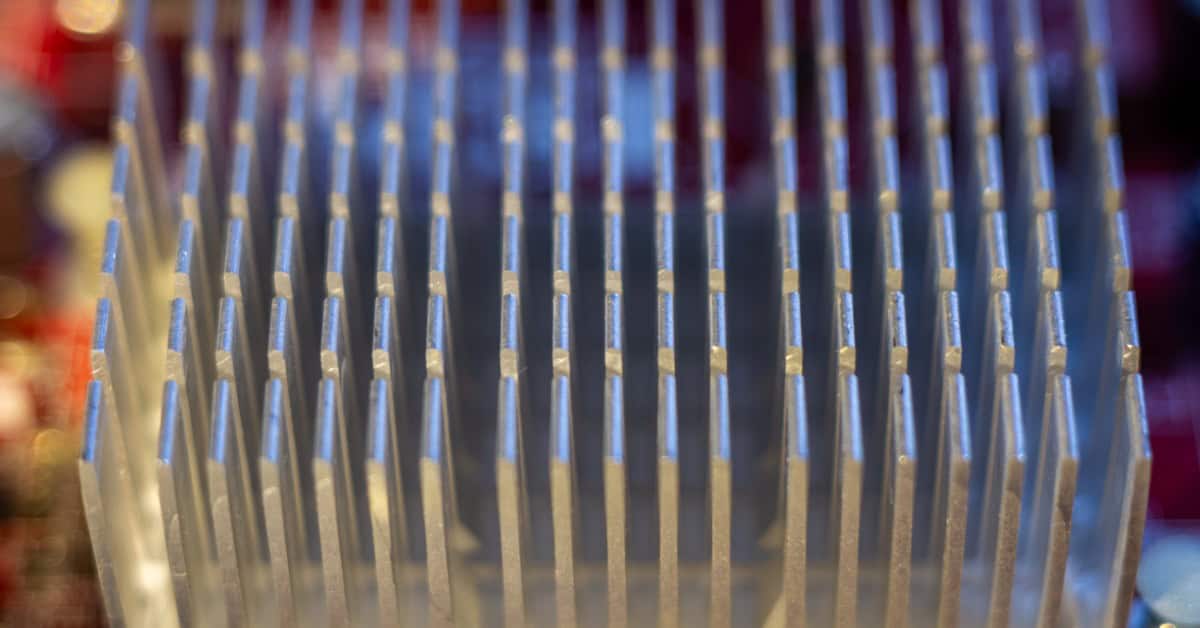
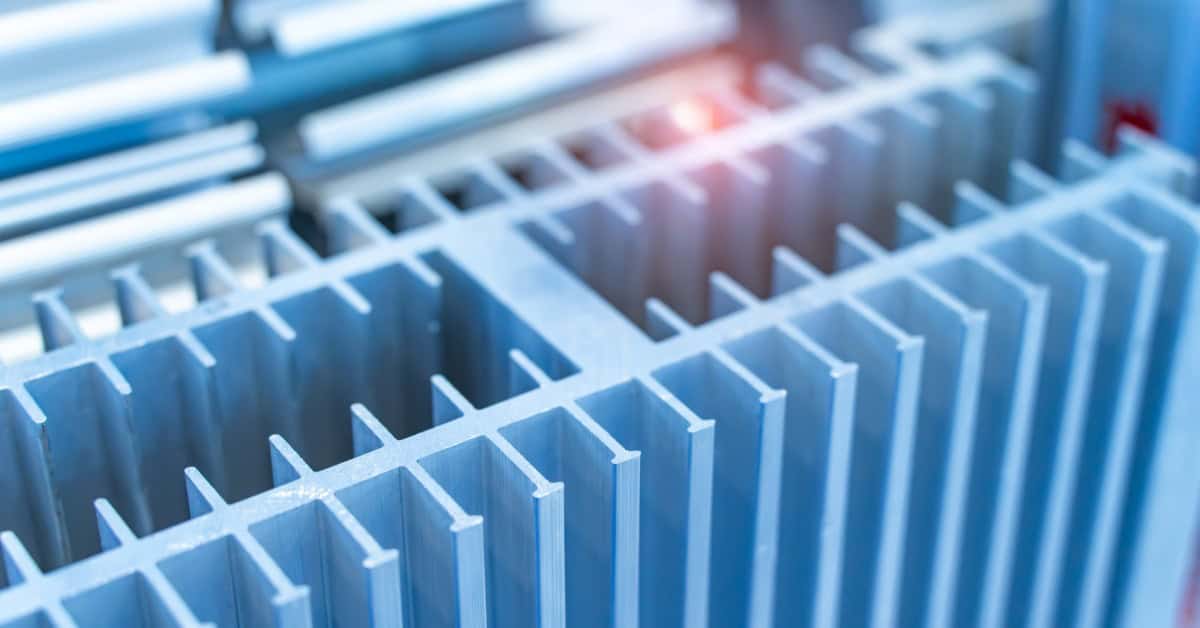
High-performance electronics, power devices, and advanced industrial systems feature designs where effective thermal management is critical. As electronic components become more powerful, the amount of heat they generate increases. Even…
Material performance often defines the limits of discovery in scientific and industrial research. Whether designing parts, testing substrates, or fabricating components for various applications, the success of your project rests…