No products in the cart.
Grinding asks an abrasive grain to do difficult work on a very small scale. Each particle meets the workpiece, removes material, sheds heat, and changes shape as the operation continues. Those interactions can affect cutting speed, dimensional control, surface finish, and tool life.
High-purity abrasive materials give team members another level of control. Lower concentrations of unwanted elements can help reduce contamination concerns in processes that involve technical ceramics, semiconductors, optics, specialty metals, or other sensitive materials. Purity alone doesn’t determine grinding performance, though. Grain hardness, toughness, shape, size distribution, bond system, wheel structure, coolant, and workpiece chemistry all influence the result.
Several abrasive families appear often in precision and industrial grinding. Alumina and silicon carbide serve many conventional grinding applications, while diamond and cubic boron nitride handle demanding work that calls for superabrasive performance. Understanding how each one cuts can make abrasive selection much more practical. Take a closer look at common high-purity abrasives for grinding.
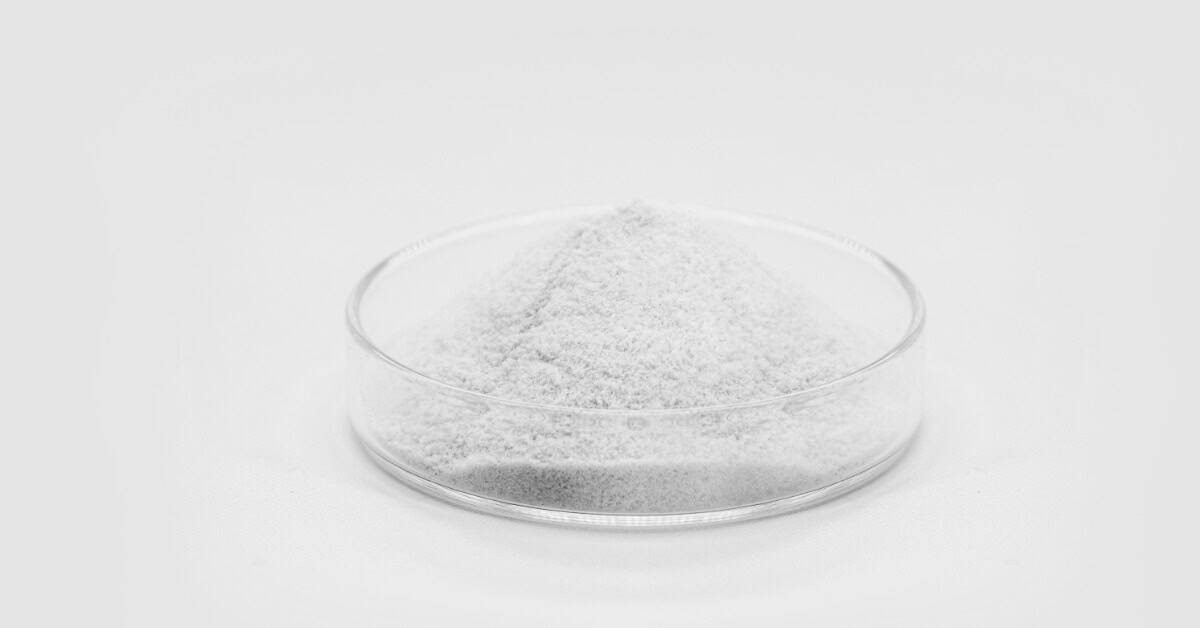
Alumina, or aluminum oxide, combines hardness, chemical stability, and broad grinding versatility. Manufacturers use alumina in many conventional bonded abrasives, and high-purity grades can offer tighter control over grain chemistry. White fused alumina is a high-purity aluminum oxide grain for bonded abrasive systems.
Alumina works across a broad range of grinding tasks because manufacturers can adjust grain characteristics as well as wheel construction. Tougher grains can tolerate heavier loads, while more friable grains break down to expose fresh cutting edges. That balance helps users match an alumina abrasive to stock removal, precision grinding, or finishing goals rather than treating every aluminum oxide grain as interchangeable.
High-purity alumina also fits applications where contamination control carries extra weight. A process engineer still needs to match the powder or grain to the grinding method, substrate, bond, and finish requirement.
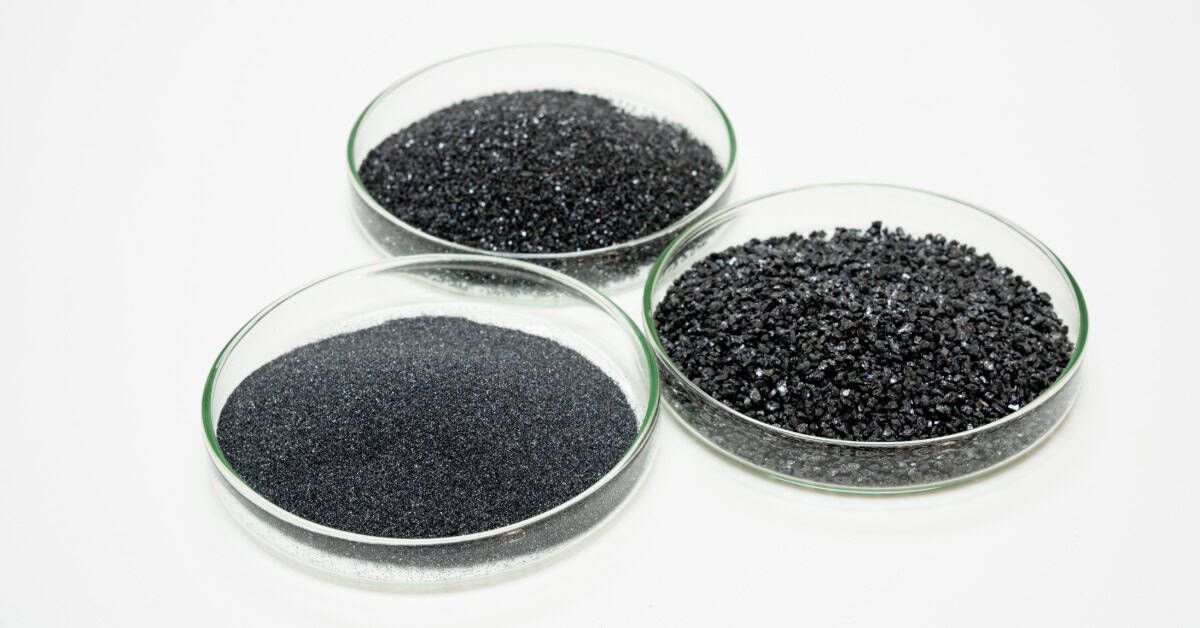
Silicon carbide gives grinding operations a hard, sharp-cutting conventional abrasive. Aluminum oxide and silicon carbide are primary minerals in conventional grinding wheels and describe silicon carbide as a harder abrasive with a sharp grain form.
Its cutting behavior often suits hard or brittle workpieces and applications that benefit from sharp grain edges. Silicon carbide abrasives also appear in products for metals, composites, glass, and other engineered surfaces. Silicon carbide is great for finishing and grinding products for materials that include titanium, aluminum, fiberglass, plastic, and glass.
Purity can become especially important when a grinding process sits upstream from a sensitive manufacturing step. Trace contaminants may create problems in applications with strict chemical or surface requirements. In those cases, buyers should evaluate more than the material name on a specification sheet. An abrasives supplier should provide clear information about composition, particle size, grade, and consistency so the user can judge whether a silicon carbide product fits the process.
Diamond brings exceptional hardness and wear resistance to grinding. That combination makes diamond a strong candidate for hard, brittle, and abrasive workpiece materials that can wear conventional grains quickly. AdValue Technology supplies diamond powders for cutting, grinding, and polishing across ceramics, semiconductors, metals, and other hard materials.
Diamond abrasives can support high material-removal rates and precise finishes, but the user still needs the right grain characteristics. Particle size influences the balance between cutting action and surface finish. Grain shape and toughness influence how an abrasive fractures under load. Bond selection controls how the tool holds and releases grains during use.
Workpiece chemistry also affects the choice. Diamond doesn’t serve every grinding operation simply because it ranks as the hardest common abrasive. Ferrous materials can present limitations at elevated grinding temperatures, which often pushes users toward cubic boron nitride for hardened steels and related alloys. For ceramics, carbide materials, glass, semiconductor materials, and other hard nonferrous substrates, diamond can offer an effective grinding option when the process uses an appropriate grade and tool design.
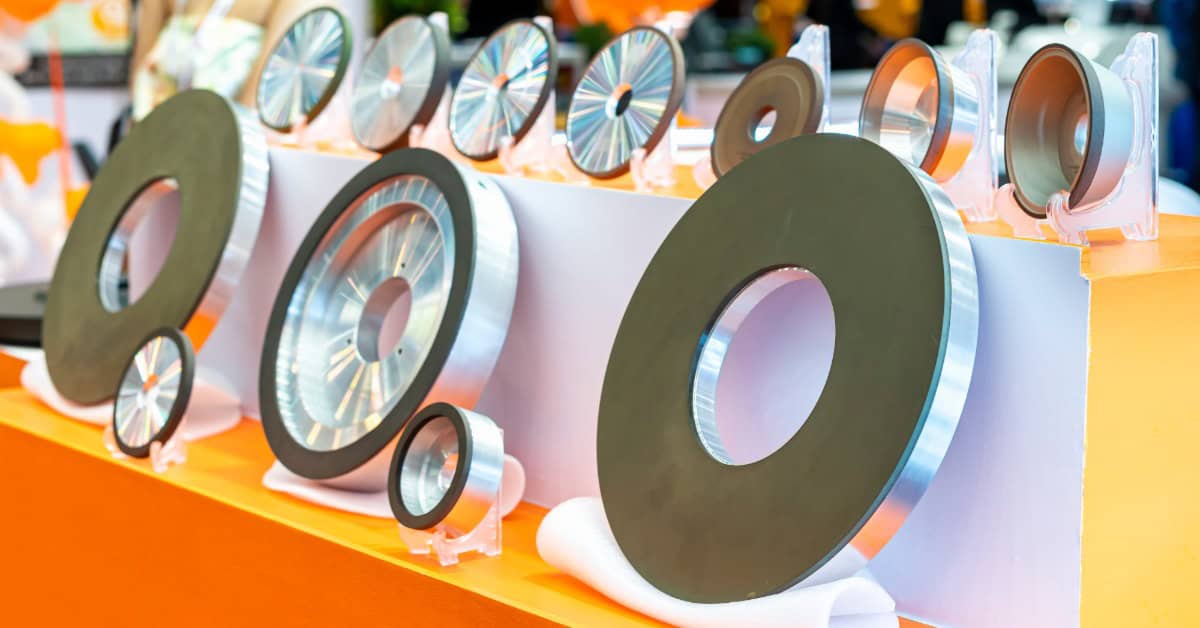
Engineers often shorten cubic boron nitride to CBN. This superabrasive combines high hardness with strong thermal and wear performance, and manufacturers commonly use it to grind ferrous materials. CBN is a superabrasive for precision grinding, cutting, and shaping ferrous tools and highlights its wear and oxidation resistance.
CBN often suits hardened alloy steels, tool steels, and some nickel- and cobalt-based superalloys. Those materials listed are among the grinding applications for its CBN micron powders.
High-purity CBN can support applications that demand controlled abrasive chemistry along with repeatable particle characteristics. AdValue Technology supplies high-purity CBN powder for grinding, lapping, polishing, and superabrasive tooling across resin, vitrified, metal, and electroplated bond systems. The bond system remains a critical part of tool behavior because it affects grain retention, exposure, heat management, and wheel wear.
A high purity number can look like the easiest specification to compare, but engineers should read it as one part of a larger material profile. Two abrasive products with similar purity can behave differently if they use different crystal structures, particle shapes, size distributions, friability levels, or surface treatments.
Particle size deserves close attention because it shapes the scale of abrasive contact. Coarser particles can support stronger cutting action and faster stock removal, while finer particles can support smoother finishes and more controlled finishing steps. A narrow particle size distribution can also help users reduce variation when a process depends on consistent contact conditions.
Contamination risk adds another selection layer. Grinding can expose fresh workpiece surfaces, and abrasive grains can interact with those surfaces throughout the process. Semiconductor, optical, ceramic, and advanced materials manufacturing may place tighter limits on unwanted elements than general-purpose grinding. Buyers should review purity data, trace-element information when available, and batch consistency alongside the mechanical requirements of the abrasive.
Start with the workpiece. Its hardness, toughness, thermal behavior, and chemistry narrow the field quickly. Then define the grinding goal, whether the process needs heavy stock removal, tight dimensional control, a fine finish, or a sequence that combines several objectives.
Alumina offers broad versatility and a wide range of grain behaviors. Silicon carbide offers sharp cutting action for many hard, brittle, nonferrous, and engineered materials. Diamond provides superabrasive hardness for demanding nonferrous and hard-material grinding. CBN gives users a superabrasive option that works especially well with hardened ferrous materials.
Next, compare purity, grit size, particle distribution, grain shape, bond compatibility, and available technical documentation. Cost also deserves attention, but unit price rarely tells the full story. A more expensive abrasive may support longer tool life, faster cutting, better dimensional control, or fewer finishing steps. The best choice depends on the economics of the complete grinding process.
Grinding performance comes from the interaction between abrasive grain, workpiece, tool design, and operating conditions. No single high-purity abrasive works best across every grinding or every finish requirement. The useful question asks which abrasive properties line up with the demands of a specific process.
Alumina, silicon carbide, diamond, and CBN each bring distinct strengths. When engineers compare purity alongside hardness, grain behavior, particle size, chemistry, and bond system, they can select abrasives with a clearer connection to performance. That approach turns material selection from a simple hardness comparison into a practical process decision.
AdValue Technology supplies high-purity powders and advanced materials for abrasive applications, including alumina, diamond, and CBN products. If you’re evaluating abrasive materials for a grinding process, contact AdValue Technology to discuss purity, particle size, and application requirements.