No products in the cart.
Aluminum Nitride (AlN) is highly valued for its ability to combine exceptional thermal conductivity with excellent electrical insulation, making it a critical material across a wide range of high-performance applications.
Its unique combination of properties – including thermal shock resistance, mechanical strength and chemical stability – positions Aluminum Nitride as an ideal solution for demanding industries.
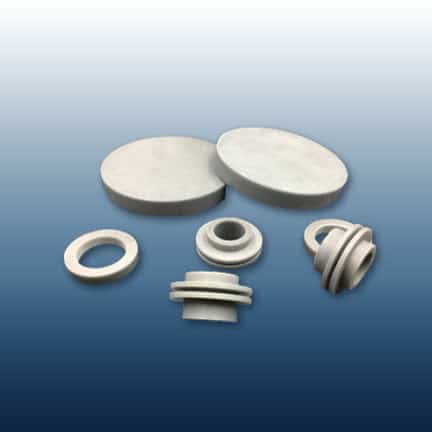
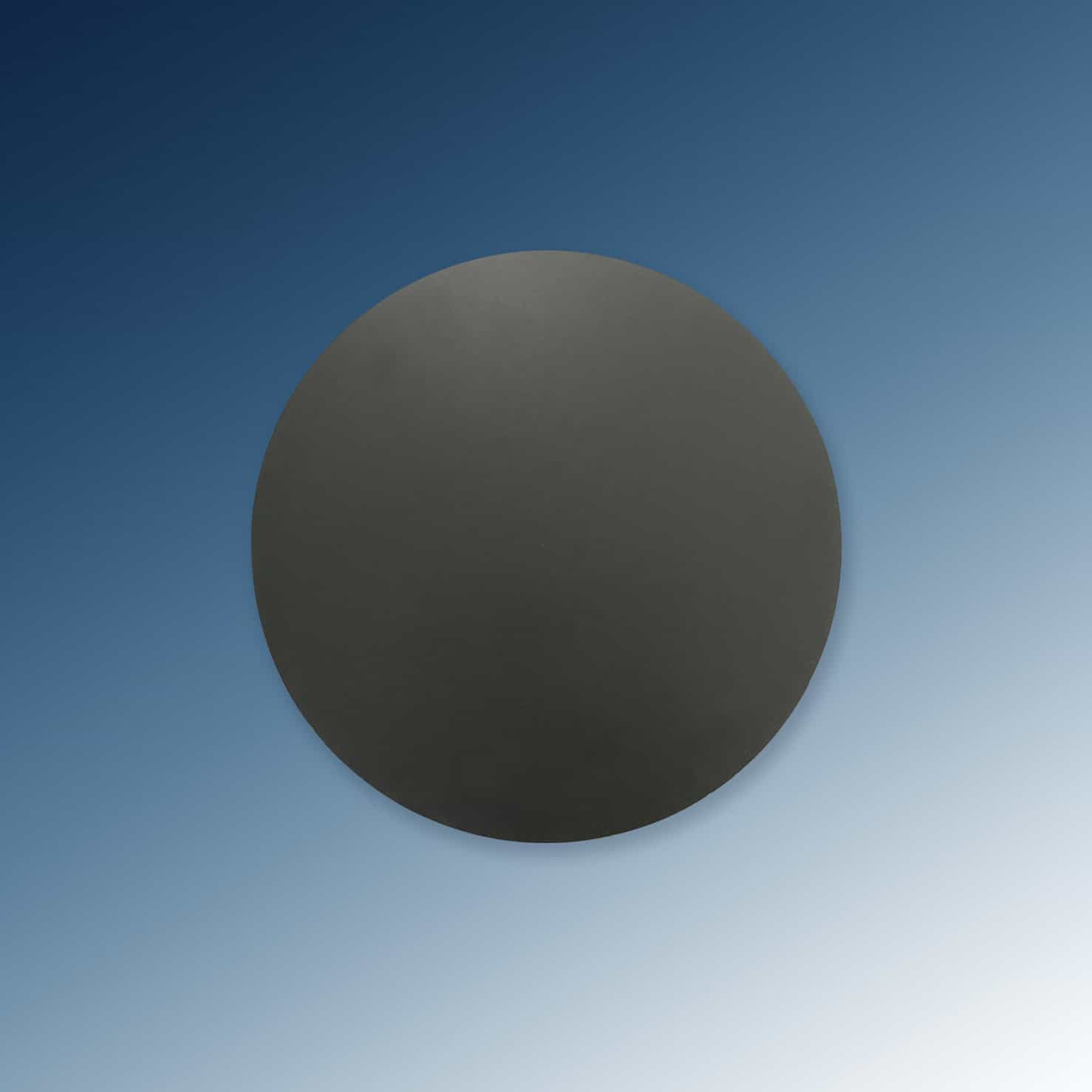
At AdValue Technology, we provide both direct-sintered and hot-pressed Aluminum Nitride products, tailored to each customer’s application needs. Our Aluminum Nitride components can be customized in a wide range of sizes and shapes to suit precise specifications.
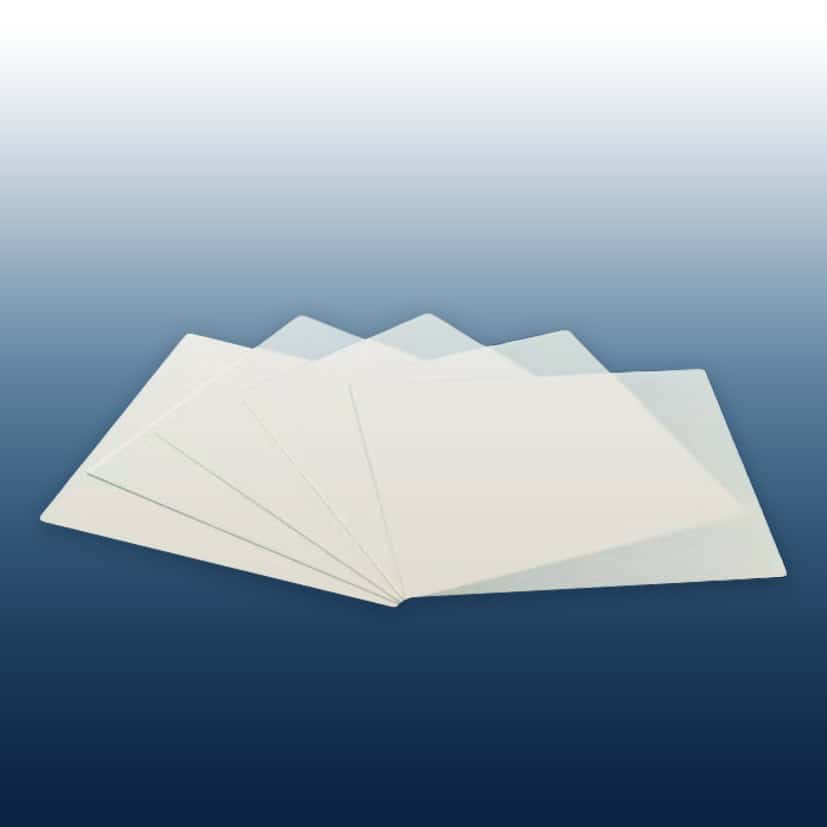
We also offer Aluminum Nitride substrates made by tape casting method. With thermal conductivity exceeding 170 W/m·K, AlN is one of the best heat-spreading materials available among electrically insulating ceramics, making it ideal for demanding thermal management applications.
Please contact us to request a quote. We are committed to delivering high quality Aluminum Nitride solutions tailored to your needs.
When you’re sourcing Aluminum Nitride (AlN) for high-performance applications, the quality of the material and the expertise behind it can make or break your project. You need a supplier who understands science, supplies the right products, and delivers consistent results every single time. AdValue Technology is the right partner to help you source the right material and achieve your product goal.
AlN is an exceptionally engineered material that provides both thermal conductivity and electrical insulation. With thermal conductivity reaching up to 220 W/m·K, it outperforms traditional materials such as alumina, which tops out around 20–40 W/m·K, by a significant margin. AlN is often used for demanding applications such as power electronics, semiconductor equipment, or aerospace systems. Buying from a supplier who truly understands this material is important.
| Material | Thermal Conductivity (W/m·K) | Electrical Insulation | Typical Applications |
|---|---|---|---|
| Aluminum Nitride (AlN) | Up to 220 W/m·K | Excellent | Power electronics, semiconductor equipment, aerospace systems |
| Alumina (Al₂O₃) | ~20–40 W/m·K | Good | General-purpose ceramic applications |
AdValue Technology offers three forms of AlN, each tailored to specific performance demands:
| Product Type | Key Characteristics | Best For |
|---|---|---|
| Direct-Sintered AlN | Cost-effective; reliable thermal conductivity; strong electrical insulation | General-purpose applications where performance and budget must both be considered |
| Hot-Pressed AlN | Higher density; improved mechanical strength; enhanced thermal performance | Semiconductor processing equipment and high-power thermal management systems |
| Tape-Cast AlN Substrates | Thin, flat, and precisely uniform; tight dimensional tolerances; consistent thickness | High-volume production environments requiring dimensional precision |
Having access to all three options from a single trusted source simplifies your procurement process.
Aluminum Nitride products provided by AdValue Technology meet the following specs:
| Property | Direct-Sintered AlN | Hot-Pressed AlN |
|---|---|---|
| Thermal Conductivity | Up to 170 W/m·K | Up to 220 W/m·K |
| Electrical Resistivity | >10¹³ Ω·cm | >10¹³ Ω·cm |
| Flexural Strength | ~300 MPa | ~350 MPa |
| Max Operating Temperature | ~1200°C (inert atmosphere) | ~1200°C (inert atmosphere) |
Quality materials translate directly into reliable performance, longer component lifespans, and reduced maintenance costs in the field.
AlN products from AdValue Technology power applications across:
AdValue Technology has built that track record over years of supplying specialty ceramic materials to researchers, engineers, and manufacturers across the country and internationally.
Real-world applications don’t always align with catalog dimensions. AdValue Technology gives you the flexibility to work with their team and engineer a solution that fits your application. You can request:
AdValue Technology operates out of Tucson, Arizona for over 20 years and serves customers both domestically and internationally. When you reach out to their team, you’re connecting with specialists who understand advanced ceramic materials and have deep industry experiences. Whether you need a custom quote, application guidance, or technical support during your design process, their team is ready to help.
You can also explore their high-purity Aluminum Nitride powders and detailed technical information directly on their site.
Reach AdValue Technology at +1 (520) 514-1100 or by email at sa***@*********ch.com.
What is aluminum nitride and what are its primary chemical and physical properties?
Aluminum nitride (AlN) is a high-performance ceramic material valued for its unique combination of thermal and electrical properties. Chemically, it consists of aluminum and nitrogen in a stable crystalline structure, giving it good chemical stability and resistance to many corrosive environments, as well as compatibility with a wide range of molten metals under controlled conditions. Physically, aluminum nitride is characterized by high thermal conductivity, excellent electrical insulation, good mechanical strength, adequate fracture toughness, and good thermal shock resistance. It also has a low thermal expansion coefficient, closely matching that of silicon, which reduces thermal stress in electronic assemblies. These chemical and physical properties make aluminum nitride ideal for applications requiring efficient heat dissipation, electrical isolation, and reliability under high temperatures or demanding conditions.
How does aluminum nitride achieve both high thermal conductivity and electrical insulation?
Aluminum nitride achieves both high thermal conductivity and electrical insulation through its unique crystal structure and chemical composition. The strong, partially covalent bonds between aluminum and nitrogen atoms create a rigid lattice that allows efficient phonon transport, which is the primary mechanism for heat conduction in ceramics. This enables aluminum nitride to transfer heat rapidly, making it ideal for thermal management applications. At the same time, aluminum nitride has a wide electronic bandgap and a very low concentration of free charge carriers, which prevents electrical current from flowing through the lattice. This combination of efficient heat transfer without electrical conduction allows aluminum nitride to serve as an excellent electrically insulating material while effectively dissipating heat, a rare and valuable property for high-power electronics, semiconductor substrates, and thermal management components.
What makes aluminum nitride suitable for high-temperature and thermal shock applications?
Aluminum nitride is well-suited for high-temperature and thermal shock applications due to its exceptional thermal stability and low thermal expansion coefficient. Its crystal structure remains stable at elevated temperatures, allowing it to maintain structural integrity in demanding environments such as furnaces, semiconductor processing equipment, and high-power electronics. The low thermal expansion coefficient, which is close to that of silicon, helps minimize thermally induced stresses, reducing the risk of cracking or warping when the material experiences rapid temperature changes. Additionally, aluminum nitride’s high thermal conductivity enables efficient heat dissipation, preventing localized overheating that can cause damage. These combined properties give aluminum nitride outstanding thermal shock resistance, ensuring durability and consistent performance under repeated heating and cooling cycles.
How does aluminum nitride’s mechanical strength and fracture toughness benefit industrial applications?
Aluminum nitride’s good mechanical strength and adequate fracture toughness make it highly valuable for industrial applications that demand durable, reliable, and long-lasting components. Its strength allows it to withstand mechanical stresses and handling loads without fracture or dimensional loss, while its fracture toughness helps prevent cracks from propagating under sudden shocks or thermal cycling. This combination ensures that aluminum nitride components maintain their structural integrity in high-temperature equipment, semiconductor processing tools, and high-power electronic devices. As a result, industries benefit from reduced maintenance, longer component lifespans, and improved operational reliability, even in harsh or demanding environments where other materials might fail.
Why is the low thermal expansion coefficient of aluminum nitride important for electronics?
The low thermal expansion coefficient of aluminum nitride is critical for electronics because it closely matches the expansion characteristics of silicon and other semiconductor materials. This compatibility minimizes mechanical stress and strain on electronic components during temperature fluctuations, such as those experienced during device operation or thermal cycling. By reducing the risk of warping, cracking, or delamination, aluminum nitride ensures dimensional stability and reliable performance of substrates, heat sinks, and electronic assemblies. This property is especially important in high-power or high-precision applications, where even small thermal mismatches can lead to failure or reduced lifespan of sensitive electronic devices.
How resistant is aluminum nitride to chemicals and corrosive environments?
Aluminum nitride exhibits good chemical stability in dry, inert, and many non-aqueous environments, making it suitable for use in demanding industrial and electronic applications. Its stable crystalline structure allows it to maintain its mechanical, thermal, and electrical properties when exposed to many gases, organic solvents, and selected molten metals under controlled conditions. However, aluminum nitride is sensitive to moisture at elevated temperatures and can be attacked by strong acids, strong alkalis, and highly reactive molten metals. For this reason, its chemical resistance depends on the specific environment and operating conditions. When properly applied, aluminum nitride is widely used in semiconductor processing equipment, high-temperature industrial systems, and electronic packaging where chemical stability, thermal performance, and long-term reliability are required.
In what ways is aluminum nitride environmentally friendly and non-toxic?
Aluminum nitride is considered environmentally friendly and non-toxic when used in its fully sintered, solid form. It is composed of aluminum and nitrogen, and does not contain heavy metals, halogens or other substances restricted under environmental regulations such as RoHS or REACH. Unlike some ceramic or metal materials, aluminum nitride component does not release harmful substances during normal use or under high-temperature conditions. Its high purity and chemical stability also minimize the risk of contamination in sensitive applications such as semiconductors, medical devices, and optoelectronics. Additionally, aluminum nitride is long-lasting and durable, reducing the need for frequent replacements and lowering waste generation. These attributes make it a safe and sustainable choice for industries that prioritize both performance and environmental responsibility.
What types of aluminum nitride products does AdValue Technology offer?
AdValue Technology offers a wide range of aluminum nitride products designed to meet the needs of high-performance and demanding applications. Their offerings include direct-sintered and hot-pressed aluminum nitride components, which can be tailored for specific thermal, mechanical, or electrical requirements. They also provide aluminum nitride substrates produced using the tape casting method, ideal for high-power electronics and thermal management applications. These products are available in various shapes and sizes, including plates, discs, and custom geometries, allowing precise adaptation to client specifications. By offering both standard and customizable aluminum nitride solutions, AdValue ensures optimal performance in applications ranging from semiconductor processing and electronics to aerospace and medical equipment.
How are direct-sintered and hot-pressed aluminum nitride products different, and what applications suit each type?
Direct-sintered and hot-pressed aluminum nitride products differ primarily in their manufacturing processes, density, and performance characteristics.
Direct-sintered aluminum nitride is produced by pressing and firing the powder at high temperatures without applying external pressure during sintering. This process is cost-effective and suitable for general-purpose applications where high thermal conductivity and electrical insulation are required but extreme mechanical strength is not critical. Direct-sintered AlN is commonly used for thermal management substrates, LED packages, and general electronic components.
Hot-pressed aluminum nitride, on the other hand, is manufactured by applying both heat and pressure simultaneously, resulting in higher density, improved mechanical strength, and enhanced thermal conductivity. This makes hot-pressed AlN ideal for high-stress or high-performance applications, such as semiconductor processing equipment, aerospace electronics, and high-power thermal management systems, where superior durability and thermal performance are essential.
By offering both types, AdValue Technology provides tailored solutions that balance performance requirements and cost considerations for a wide range of applications.
What is the tape casting method for aluminum nitride substrates, and what advantages does it provide?
The tape casting method for aluminum nitride substrates is a manufacturing process that produces thin, flat, and uniform ceramic sheets by casting a slurry of aluminum nitride powder and binders onto a moving carrier surface. Once dried and sintered, these tapes become precisely controlled, high-quality substrates suitable for electronic and thermal management applications.
This method offers several advantages: it enables tight dimensional tolerances and consistent thickness, which are critical for high-performance electronic and thermal management applications; it allows for large-scale, repeatable production of large-area substrates; and it produces substrates with excellent surface flatness for effective heat transfer and reliable component mounting. Additionally, tape-cast aluminum nitride substrates maintain high thermal conductivity, electrical insulation, and mechanical stability, making them ideal for high-power electronics, semiconductor devices, and applications requiring precise thermal management.
How are aluminum nitride substrates used in high-power electronics for thermal management?
Aluminum nitride substrates are widely used in high-power electronics for efficient thermal management due to their exceptionally high thermal conductivity and electrical insulation. They serve as heat-spreading platforms that quickly transfer heat away from high-power components, such as power transistors, LEDs, and RF devices, preventing overheating and maintaining stable operating temperatures. Their low thermal expansion coefficient ensures compatibility with semiconductor materials, reducing stress and the risk of cracking during thermal cycling. By combining mechanical strength, chemical stability, and electrical isolation, aluminum nitride substrates enable reliable performance, longer device lifespans, and enhanced efficiency in demanding electronic applications, including power modules, LED arrays, and high-frequency communication systems.
What applications of aluminum nitride exist in semiconductor processing equipment?
Aluminum nitride is widely used in semiconductor processing equipment due to its high thermal conductivity, excellent electrical insulation, and good chemical stability. It is commonly employed for heater plates and electrostatic chucks, where precise temperature control and uniform heat distribution are critical for wafer processing. Aluminum nitride components also serve as substrates and insulating supports in high-temperature and electrically demanding parts of processing tools, including certain deposition and annealing systems, protecting sensitive electronics from thermal and electrical stress. These properties make aluminum nitride an essential material for achieving high yield, efficiency, and precision in semiconductor manufacturing processes.
How does aluminum nitride support optoelectronic components such as LED packages and laser diode submounts?
Aluminum nitride supports optoelectronic components such as LED packages and laser diode submounts by providing a highly thermally conductive yet electrically insulating platform. Its ability to efficiently transfer heat away from sensitive components prevents overheating, which can degrade performance or reduce lifespan. The low thermal expansion coefficient of aluminum nitride closely matches that of semiconductor materials, minimizing stress and preventing warping or cracking during thermal cycling. Additionally, its mechanical strength and chemical stability in controlled environments ensure reliable mounting and long-term durability in demanding environments. These properties make aluminum nitride an ideal material for high-power LEDs, laser diodes, and other optoelectronic devices that require precise thermal management and electrical isolation for optimal performance.
What role does aluminum nitride play in RF and microwave communication systems, including 5G and satellite technology?
Aluminum nitride plays an valuable role in RF and microwave communication systems, including 5G and satellite technology, by serving as a thermally efficient, electrically insulating substrate for high-frequency components. Its high thermal conductivity effectively dissipates heat generated by power amplifiers, transceivers, and other RF devices, ensuring stable operation and preventing performance degradation. The excellent electrical insulation and low dielectric losses of aluminum nitride maintain signal integrity and minimize interference, which is essential for precise, high-speed data transmission. Additionally, its mechanical strength, chemical stability in controlled environments, and good thermal shock resistance allow components to withstand the harsh conditions of satellite environments and high-power communication equipment. These combined properties make aluminum nitride an essential material for reliable, high-performance RF and microwave systems.
How is aluminum nitride utilized in aerospace and defense electronics requiring thermal stability and insulation?
In aerospace and defense electronics, aluminum nitride is utilized for its combination of high thermal conductivity, electrical insulation, and mechanical stability, which are critical for demanding environments. It serves as a substrate, heat spreader, or insulating component in high-power electronics, radar systems, avionics, and satellite equipment, where efficient heat dissipation is essential to maintain performance and prevent overheating. Its low thermal expansion coefficient reduces stress on delicate electronic assemblies during temperature fluctuations, while its thermal shock resistance and chemical stability in controlled environment ensure reliable operation under extreme conditions. These properties make aluminum nitride an ideal material for aerospace and defense applications that require long-term durability, precise thermal management, and robust electrical insulation.
What benefits does aluminum nitride provide in medical imaging devices like CT scanners and MRI equipment?
Aluminum nitride provides several key benefits in medical imaging devices such as CT scanners and MRI equipment, primarily due to its high thermal conductivity, electrical insulation, and mechanical stability. Its excellent heat-dissipating ability helps manage the substantial thermal loads generated by high-power electronics, X-ray sources, and signal processing modules, ensuring consistent performance and preventing overheating.
The electrical insulation and non-magnetic properties of aluminum nitride make it compatible with MRI environments and help protect sensitive electronics and patient safety.Its adequate mechanical strength and low thermal expansion support reliable operation under repeated thermal cycling, while its good thermal shock resistance helps maintain structural integrity over long service lifetimes. Additionally, in its fully sintered, solid form, aluminum nitride is chemically stable and safe for use in controlled medical environments. Together, these properties allow aluminum nitride to support reliable, long-lasting, and safe operation of advanced imaging equipment.
How does aluminum nitride perform in industrial equipment operating under high temperatures and corrosive conditions?
Aluminum nitride performs exceptionally well in industrial equipment operating under high temperatures and in dry, inert, or otherwise controlled environments due to its high thermal conductivity, low thermal expansion, and good thermal stability. Its high thermal conductivity allows it to efficiently dissipate heat from components, preventing overheating and maintaining consistent operation. Aluminum nitride is chemically stable in non-aqueous and non-reactive environments, and it is compatible with selected molten metals and gases under controlled conditions.. Additionally, its thermal shock resistance and low thermal expansion reduce the risk of cracking or deformation under rapid temperature changes. These combined properties make aluminum nitride a reliable material for furnaces, high-temperature reactors, semiconductor processing equipment, and other demanding industrial applications.
Can AdValue Technology customize aluminum nitride components for specific sizes, shapes, or performance requirements?
Yes, AdValue Technology can customize aluminum nitride components to meet specific size, shape, and performance requirements. Their team works closely with clients to offer components that match the exact thermal, electrical, and mechanical specifications needed for each application. Customization options include tailored geometries, thicknesses, and dimensional tolerances. This flexibility ensures that aluminum nitride components are perfectly suited for demanding environments in electronics, semiconductor processing, aerospace, medical devices, and industrial equipment, providing reliable performance and long-term durability.
What are the typical thermal conductivity values for aluminum nitride, and how do they compare to other electrically insulating ceramics?
Aluminum nitride exhibits exceptionally high thermal conductivity, typically ranging from 140 to 200 W/m·K, depending on purity, microstructure, and processing method.This thermal performance far surpasses that of traditional insulating ceramics such as alumina (Al₂O₃), which typically ranges from 20 to 40 W/m·K, allowing aluminum nitride to efficiently dissipate heat in high-power electronic and thermal management applications. Its combination of high thermal conductivity with excellent electrical insulation makes it a superior choice for substrates, heat-spreading components where both heat transfer and electrical isolation are critical. This unique property set allows aluminum nitride to outperform many other ceramic materials in high-performance electronics, semiconductor processing, and demanding industrial environments.
How does AdValue ensure the quality and consistency of its aluminum nitride products for demanding applications?
AdValue Technology ensures the quality and consistency of its aluminum nitride products through rigorous material selection, precise manufacturing processes, and comprehensive quality control protocols. By maintaining strict production standards and closely monitoring every stage of fabrication, AdValue guarantees that its aluminum nitride components deliver durable, high-performance, and dependable results in industries such as electronics, aerospace, medical devices, and industrial equipment.




 Technical Info