No products in the cart.
Corrosive chemicals can turn a routine equipment decision into an expensive operating problem. A vessel that handles one solution may deteriorate when acid concentration rises or when the process runs hotter. For chemical manufacturers, those changes can affect production schedules and the quality of the finished product.
Engineers therefore look beyond initial strength when selecting components for demanding processes. They need surfaces that resist chemical attack while supporting the equipment’s intended function. Tantalum deserves attention because it offers exceptional resistance to many aggressive chemical environments. Here’s why Tantalum metal is used for corrosive chemical processes.
The corrosion resistance of Tantalum metal begins with a remarkably thin oxide layer. When Tantalum encounters oxygen, it develops a protective film of Tantalum pentoxide (Ta2O5) on its surface. That film forms a barrier between the underlying metal and many chemicals that would attack more familiar construction materials.
If minor abrasion removes part of the film, Tantalum can rebuild its protective surface under suitable conditions. This behavior helps explain its performance in demanding acid service. However, the film must remain stable in the actual process chemistry for the protection to last.
Many manufacturers choose Tantalum for equipment handling hydrochloric (HCl) or sulfuric acid (H2SO4). These acids can challenge conventional stainless steels, particularly as operating temperatures rise. Tantalum often maintains much lower corrosion rates under comparable service conditions.
Nitric acid (HNO3) is another application where Tantalum can offer excellent resistance. Yet every acid has its own temperature and concentration limits. Engineers should consult compatibility data for the full operating range rather than assuming that one successful acid application guarantees another.
Corrosion changes more than equipment thickness. As a metal wall dissolves, its constituents can enter the process stream and interfere with production targets. That concern grows when manufacturers need consistent batches or closely controlled reaction chemistry.
By resisting attack in compatible environments, Tantalum can reduce one potential source of metal contamination. Teams still need to inspect gaskets and other wetted surfaces. One resistant component won’t prevent impurities from entering through other parts of the system.
Chemical engineers sometimes compare Tantalum’s corrosion resistance with that of glass. Both can withstand many acidic environments that quickly damage ordinary metals. Tantalum, however, offers the formability of a metal and can serve in equipment that requires shaped components.
That flexibility makes it useful alongside glass-lined reactors. Manufacturers may use Tantalum for dip tubes or specialized repairs when a particular area needs a corrosion-resistant metallic surface. The choice still depends on the process and the mechanical demands of the component.
Corrosion resistance isn’t the only reason manufacturers consider Tantalum for heat exchangers. The metal conducts heat more readily than glass, which can benefit equipment that must transfer energy through a corrosion-resistant wall. Its performance creates opportunities where glass equipment would complicate the heat-transfer design.
Heat exchanger tubing needs more than chemical compatibility, though. Pressure requirements and thermal expansion influence the final configuration. Engineers must evaluate the complete assembly, including connections that expose other materials to the process fluid.
A chemical plant doesn’t necessarily need Tantalum throughout an entire processing line. The most severe conditions often occur around specific components where heat or concentrated chemicals create localized challenges. Engineers may select Tantalum tubing for a heat exchanger while using a different material elsewhere.
Other applications include corrosion-resistant reactor fittings and process piping. The goal is to place the material where its properties solve a specific problem. That selective approach can make an expensive metal more practical without compromising equipment design.
Tantalum offers useful ductility, so fabricators can form it into sheet and tubing for specialized equipment. Joining components requires more caution. During welding, Tantalum can absorb oxygen or nitrogen at elevated temperatures, which can degrade the properties of the finished joint.
Fabricators use appropriate inert-gas shielding and carefully controlled procedures to protect the heated metal. They also require clean surfaces and qualified inspection methods. A sound design can still fail if fabrication introduces weaknesses at critical connections.
Tantalum isn’t resistant to every corrosive chemical. Hydrofluoric acid and certain fluoride-containing environments can attack the protective oxide film. Strong hot alkaline solutions also create serious compatibility concerns.
Highly concentrated sulfuric acid at elevated temperatures may cause attack, despite Tantalum’s strong performance under many other sulfuric acid conditions. Engineers should also distinguish the metal’s high melting point from its behavior in hot air. Oxygen and nitrogen can react with Tantalum at elevated temperatures, so furnace capability doesn’t automatically translate into unrestricted service.
Hydrogen exposure creates another challenge that deserves close attention. Under some operating conditions, Tantalum can absorb hydrogen and become brittle. The resulting loss of ductility may threaten components even when their surfaces show little conventional corrosion.
Galvanic interactions with other metals can increase this risk in certain environments. Engineers should evaluate electrical contact between dissimilar metals and review the process conditions that could promote hydrogen uptake. Regular inspections may also need to account for damage that simple surface measurements cannot reveal.
Published corrosion information provides a starting point, not permission to ignore operating details. A fluid’s concentration can change as a batch heats or evaporates. Cleaning chemicals and occasional process upsets may expose components to conditions different from normal operation.
Review the highest expected temperature and the full chemical composition with a corrosion specialist. If the service is unusual, plan a suitable compatibility test before committing to a large fabrication. Careful preparation helps avoid surprises that an individual acid name won’t reveal.
Tantalum typically costs more than common stainless steels, so a lower initial equipment price can look appealing. However, frequent replacement carries costs that reach beyond the failed component. Repairs interrupt production and may require costly cleaning before operators can restart the process.
A longer service life can justify a higher material expense when equipment faces aggressive chemicals. That doesn’t mean every facility should specify Tantalum by default. A sensible comparison considers corrosion performance alongside fabrication requirements and expected maintenance.
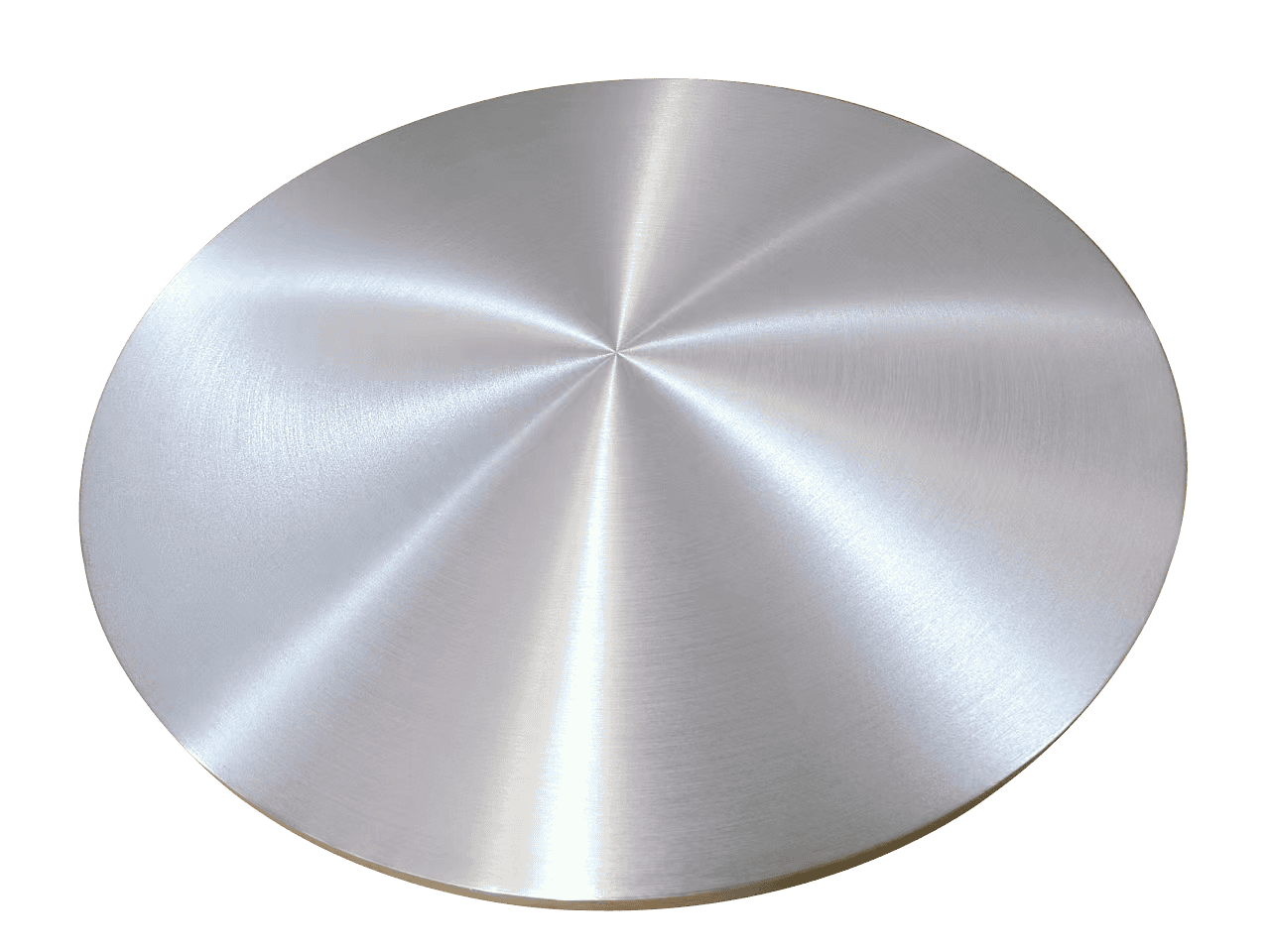
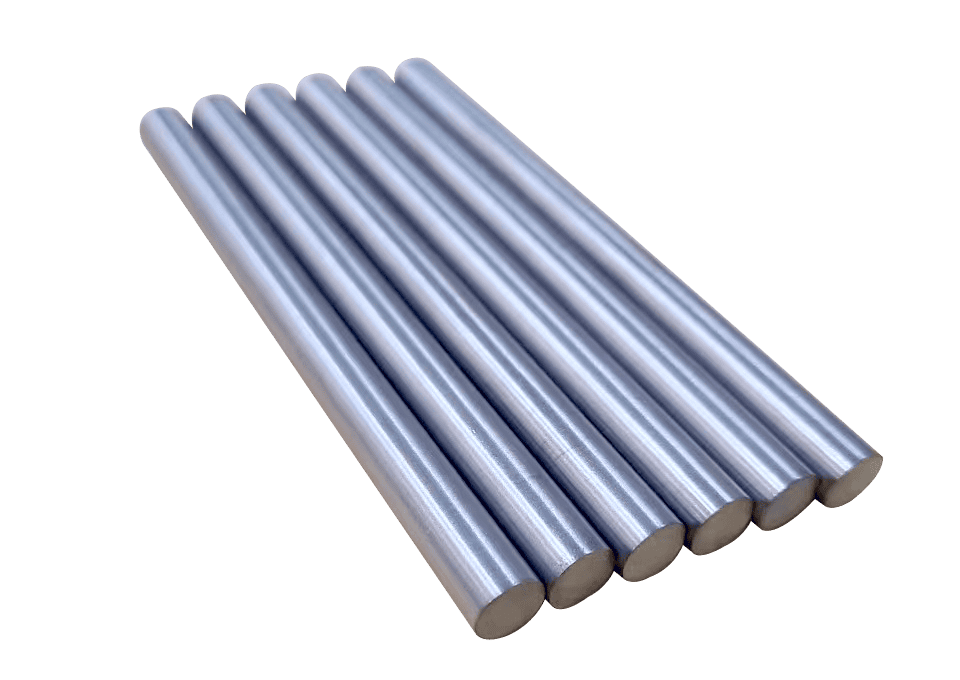
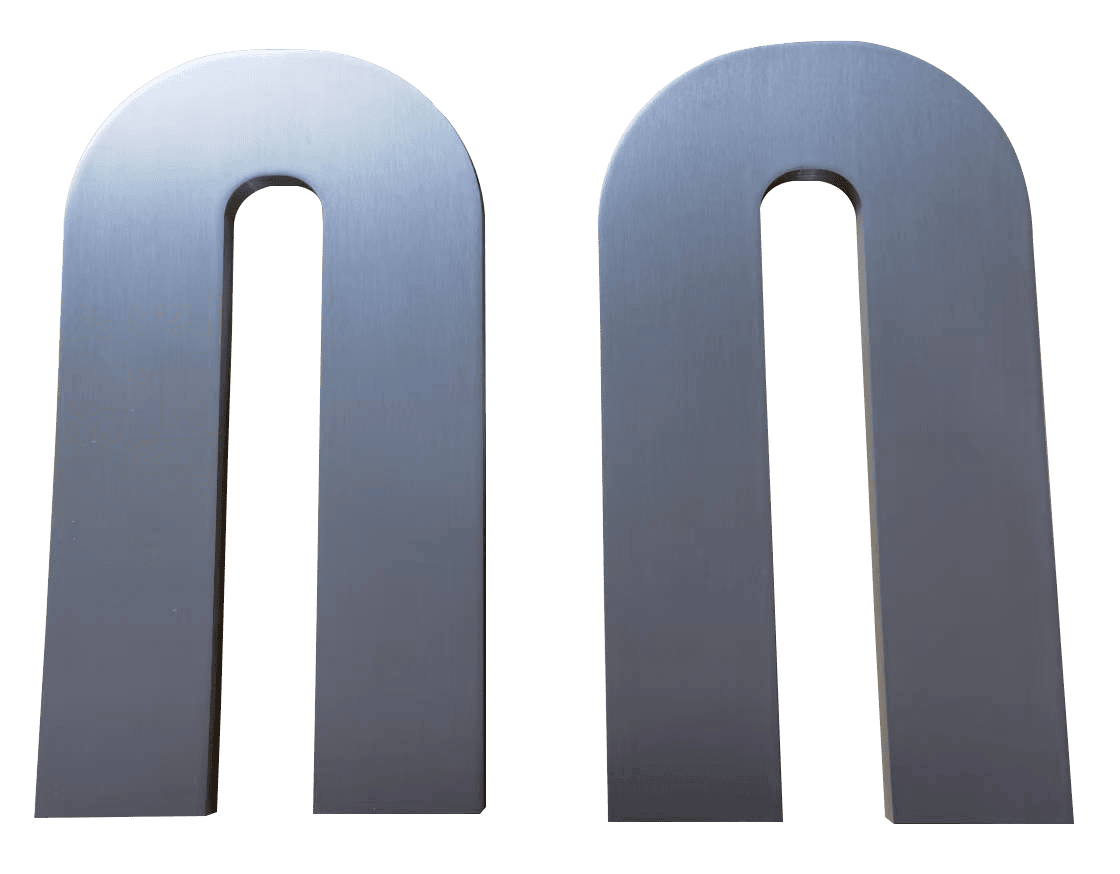
AdValue Technology supplies Tantalum in several forms, including sheet, foil, plate, wire, rods, and tubes. The company also offers high-purity Tantalum grades and Tantalum-tungsten alloys (Ta-2.5W and Ta-10W) for different technical requirements. Engineers can discuss custom dimensions when standard forms don’t fit a project.
Material selection should begin with the process environment and component design. Purity and alloy composition may influence mechanical properties, while dimensions affect fabrication options. Sharing those specifications early helps purchasing teams choose a product that supports the intended application.
Understanding why Tantalum metal is used for corrosive chemical processes starts with its exceptional resistance to many aggressive acids. Its protective oxide film helps manufacturers combat corrosion, but successful equipment design still demands attention to the metal’s limitations. Engineers who understand its chemical compatibility can make more dependable material choices.
When a process calls for specialized corrosion-resistant components, explore AdValue Technology’s Tantalum products and discuss the application requirements with its team. A carefully selected material can support longer equipment life and more predictable operation.