No products in the cart.
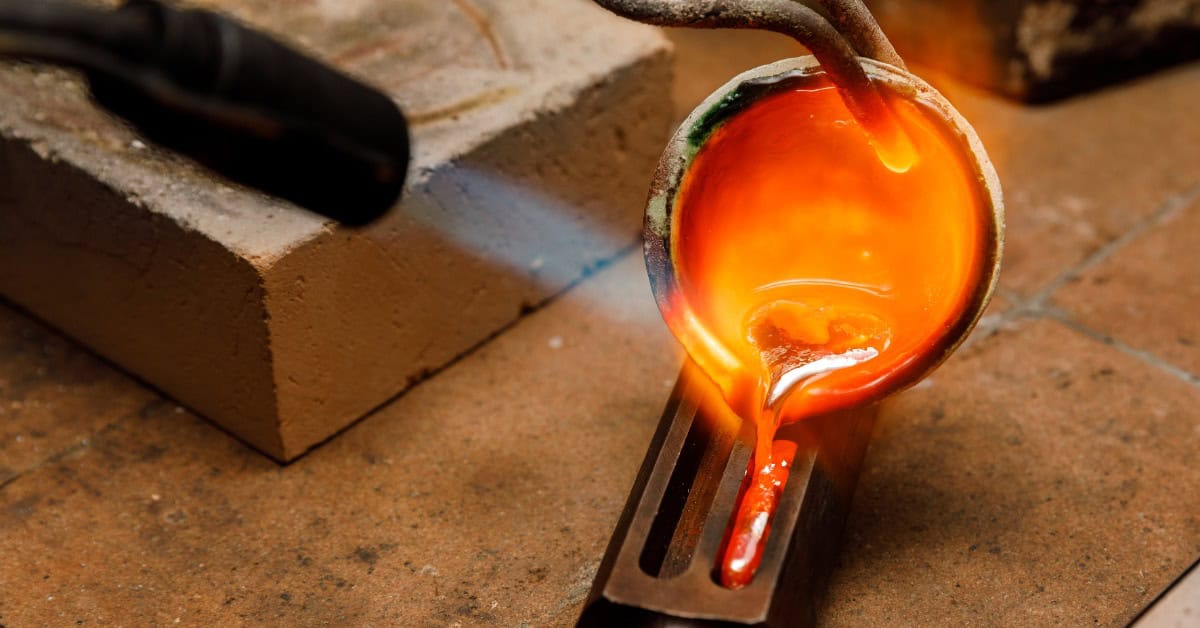
Reactive metals don’t give engineers much room for error. As a melt reaches its working temperature, it can react with oxygen in the furnace or with the vessel that holds it. Even minor changes in composition may affect the properties that manufacturers need from a finished alloy.
That makes crucible selection a key part of melt planning rather than a last-minute equipment choice. Alumina offers useful heat resistance and a practical range of shapes, but its suitability depends on the particular metal. Understanding both its strengths and its limits helps laboratories run more controlled melting processes. Continue reading to discover more about alumina crucibles for reactive metal melting.
Alumina, or aluminum oxide, tolerates high temperatures while maintaining useful mechanical strength. Its hardness and resistance to wear also make it attractive for laboratory work that involves repeated handling. High-purity grades let engineers choose a vessel with fewer incidental ingredients that might enter sensitive melts.
An alumina ceramic crucible can suit applications where the molten charge remains chemically compatible with aluminum oxide. Its rigid walls help the vessel retain its shape under steady heating. However, physical durability alone can’t tell you whether the melt will stay clean.
Reactive metal is a broad description rather than a single category with predictable behavior. Titanium and zirconium have a strong affinity for oxygen, particularly at elevated temperatures. Certain rare-earth metals also create demanding conditions for oxide-based crucibles.
Those metals can react with aluminum oxide during melting, potentially introducing oxygen or aluminum into the charge. The reaction may also damage the crucible surface. An alumina vessel that works well for one alloy may perform poorly with another, even when both melts reach similar temperatures.
Engineers should examine the full alloy composition instead of judging compatibility by the base metal alone. Reactive alloying additions can change how a liquid metal interacts with its container. Understanding that chemistry before a production run prevents expensive assumptions.
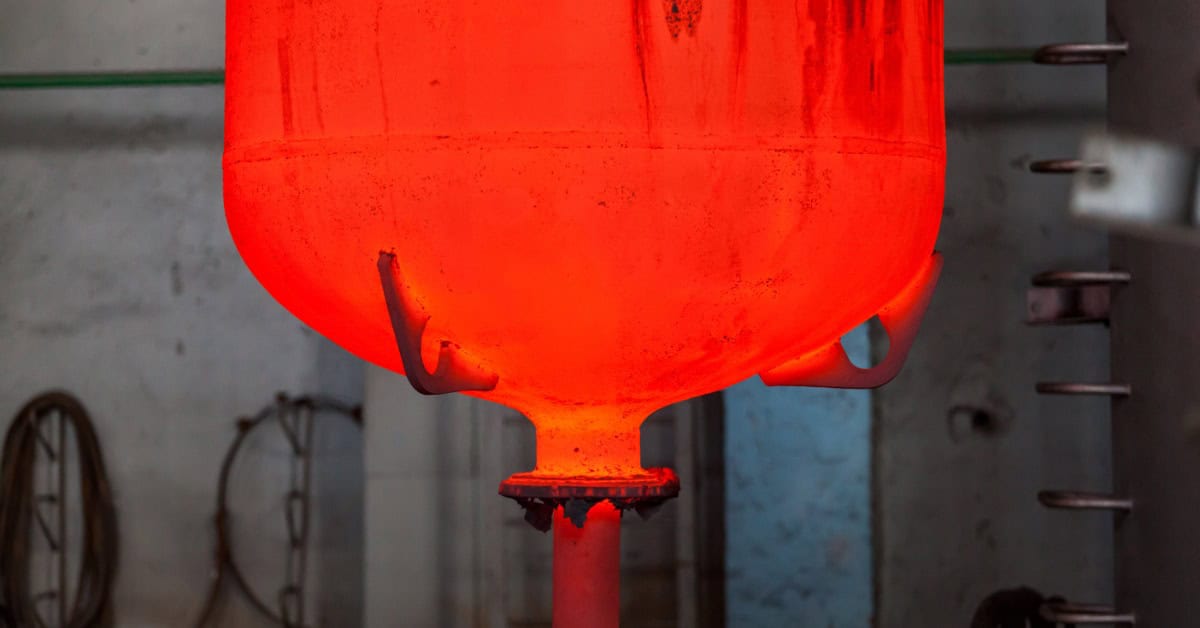
Crucible purity influences contamination risk, but it doesn’t eliminate reactions between the charge and the ceramic itself. A dense, high-purity vessel may introduce fewer impurities from secondary constituents. Yet molten metal can still react with alumina even when the crucible contains very little else.
Contamination isn’t always visible during melting. The finished metal may contain extra oxygen or nonmetallic inclusions without showing an obvious problem in the furnace. For sensitive applications, teams should evaluate melt chemistry and inspect solidified samples rather than relying only on the crucible’s appearance.
A crucible must tolerate the process temperature, not merely the temperature at which the metal starts melting. Many melting processes require some superheat to support flow or promote a consistent melt. Holding a charge at that higher temperature also increases the opportunity for interaction with the vessel.
AdValue Technology offers high-purity alumina products with published temperature capability up to 1700 degrees Celsius. That figure reflects material capability, not a universal recommendation for every metal or heating schedule. Engineers still need to account for dwell time and the furnace environment before selecting a specific crucible.
A well-managed furnace atmosphere reduces unwanted reactions between hot metal and surrounding gases. Depending on the process, engineers may use inert gas or vacuum conditions to limit exposure to oxygen. They must also consider moisture and leaks that can undermine the intended environment.
Atmosphere control doesn’t make an incompatible crucible safe for a reactive melt. A liquid metal can react directly with alumina even when the furnace contains very little oxygen. The vessel and the atmosphere need separate compatibility checks because they present different contamination pathways.
Crucible dimensions influence heating behavior and how operators handle the charge. A taller vessel offers a different exposed melt surface than a wider container with similar capacity. Wall thickness and contact with furnace supports can also influence temperature gradients during heating.
AdValue Technology supplies high-form and cylindrical alumina crucibles, along with custom sizes and shapes. Engineers should match the available geometry to the furnace chamber and the planned batch volume. Leaving appropriate space above the charge also helps accommodate normal melt movement without overfilling the vessel.
Alumina handles sustained heat well, but rapid temperature changes can create damaging stress. One part of a crucible may expand faster than another when the furnace heats unevenly. A sudden transfer onto a cold surface can create similar problems during cooling.
Start with a dry crucible and inspect it for visible cracks before loading the charge. Follow the supplier’s recommended heating schedule rather than increasing furnace power as quickly as possible. Gradual cooling helps protect the ceramic after the melting cycle ends.
Larger crucibles deserve particular attention because temperature differences can develop across their walls. Support the vessel appropriately and avoid impacts during handling. Careful operation protects both the equipment and the work inside it.
Temperature isn’t the only factor that drives reactions at the metal-crucible interface. Contact time also influences how much opportunity the melt has to attack the ceramic. A lengthy hold at elevated temperature can increase contamination even when the vessel survives the run.
Plan the melt schedule around the metallurgical requirements instead of extending the hold without a clear purpose. Avoid scraping the inner wall with tools that could damage its surface. If the process requires stirring or pouring, select handling methods that suit the ceramic and the molten metal.
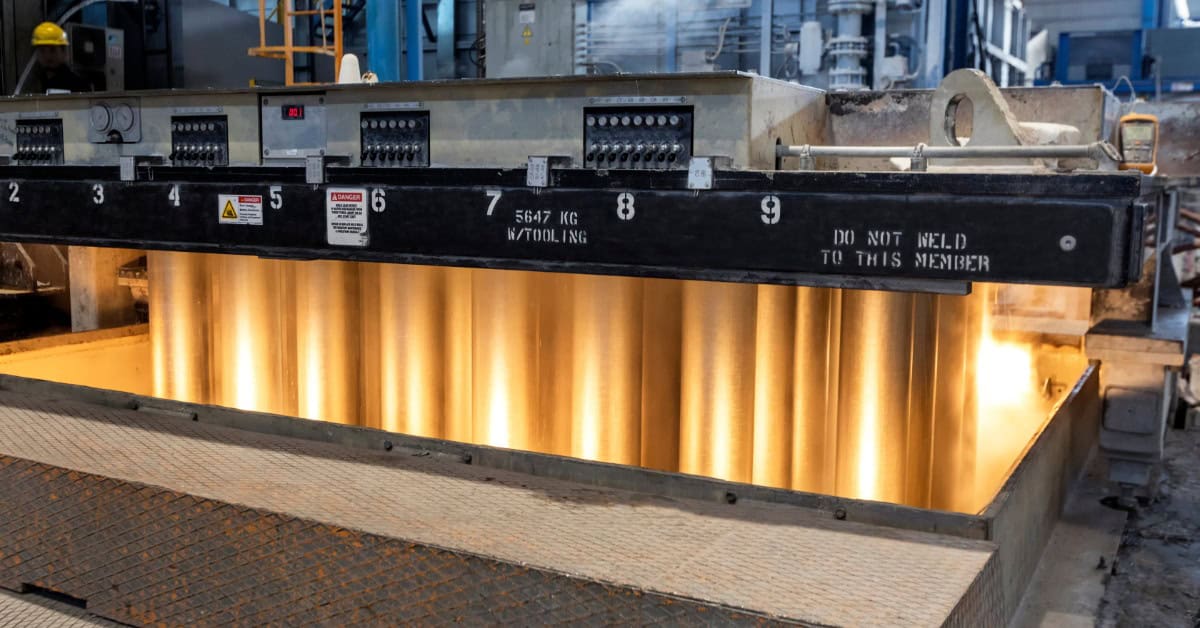
Alumina won’t suit every reactive metal. Titanium-rich or zirconium-rich melts may require a more compatible containment method, especially when the application imposes tight oxygen limits. Options can include specialized refractory coatings or techniques that minimize direct contact with a conventional ceramic vessel.
Yttria-based materials sometimes offer advantages for certain titanium alloys, while cold-hearth melting can reduce contact between the molten metal and a ceramic crucible. Neither approach works automatically for every charge. Each option introduces its own equipment requirements and process considerations, so engineers need to evaluate the entire melting system.
A small trial melt can reveal problems that a material specification doesn’t capture. Compare the starting charge with the final alloy composition, and check samples for inclusions when purity requirements justify that work. Inspect the crucible interior for erosion or deposits after the vessel cools.
Record the heating profile and contact time alongside the results. Those details help engineers distinguish a chemistry problem from thermal damage when a trial fails. Repeat promising trials before increasing batch size, since larger volumes can change heating patterns and exposure conditions.
Choosing alumina crucibles for reactive metal melting requires careful attention to temperature capability and chemical compatibility. Alumina can offer a practical, durable option for suitable melts, but the metal’s behavior should guide the selection process. The right crucible helps maintain consistent results while limiting avoidable contamination.
AdValue Technology offers standard alumina crucibles and custom configurations for demanding laboratory and industrial work. Review the intended metal composition and processing conditions before choosing a vessel, then discuss any unusual compatibility requirements with the supplier. That extra preparation can make the next melting run more predictable from the start.