Frequently Asked Questions About Sapphire
What are the key properties that make sapphire ideal for high‑tech applications?
Sapphire is ideal for high‑tech applications because of its exceptional combination of properties. It is extremely hard and durable, making it highly resistant to scratches and mechanical wear. Sapphire is also transparent across a wide range of wavelengths, from ultraviolet (UV) to infrared (IR), which makes it perfect for advanced optical applications. Additionally, it has outstanding thermal stability, allowing it to perform reliably under extreme temperatures, and strong corrosion resistance, so it withstands harsh chemical environments. Finally, sapphire is an excellent electrical insulator, making it valuable in electronics and semiconductor applications. These qualities together make sapphire a highly versatile and dependable material for cutting-edge technologies.
Which industries commonly use sapphire products from AdValue Technology?
Sapphire products from AdValue Technology are commonly used across a wide range of advanced industries that require high-performance materials. Key industries include:
- Semiconductors and Electronics – for substrates, wafers, and insulating components in high-performance electronic devices.
- Optics and Photonics – for lenses, windows, and optical components that require UV to IR transparency.
- Aerospace and Defense – for durable, corrosion-resistant components that must withstand extreme conditions.
- Medical and Life Sciences – for surgical tools, implants, and diagnostic devices requiring biocompatibility and durability.
- Industrial Manufacturing – for wear-resistant components, nozzles, and equipment parts exposed to high temperatures or corrosive environments.
- LED and Lighting – for high-quality sapphire substrates in LED production and other lighting technologies.
These industries rely on sapphire’s combination of hardness, thermal stability, chemical resistance, optical clarity, and electrical insulation to meet demanding performance standards.
What types of sapphire products does AdValue Technology offer?
AdValue Technology offers a wide range of sapphire products designed for high-performance applications, including:
- Sapphire Wafers and Substrates – used in semiconductors, LEDs, and advanced electronics.
- Sapphire Windows and Optical Components – for lenses, protective covers, and devices requiring UV to IR transparency.
- Sapphire Tubes and Rods – durable, high-strength shapes for industrial, medical, and scientific applications.
- Custom Sapphire Components – tailored shapes and sizes for specialized high-tech applications.
These products leverage sapphire’s hardness, thermal stability, corrosion resistance, optical clarity, and electrical insulation to meet the demands of advanced industries.
How does sapphire’s hardness compare to other materials?
Sapphire is one of the hardest known materials, second only to diamond on the Mohs hardness scale. It ranks around 9 out of 10, making it far harder than most metals, glass, or ceramics. This extreme hardness gives sapphire exceptional scratch and wear resistance, which is why it is widely used in applications where durability and long-term performance are critical, such as optical windows, electronic substrates, and industrial components. Compared to common materials like steel (around 4–5) or quartz (7), sapphire is significantly more resistant to abrasion and mechanical damage.
What performance advantages does sapphire provide in optical applications?
Sapphire provides several key performance advantages in optical applications:
- Broad Wavelength Transparency – Sapphire is highly transparent from ultraviolet (UV) through visible light to infrared (IR), making it ideal for lenses, windows, and sensors that require a wide optical range.
- Exceptional Durability – Its extreme hardness protects optical components from scratches, abrasion, and long-term wear, ensuring consistent performance.
- Thermal Stability – Sapphire maintains its optical clarity and shape under high temperatures, making it suitable for harsh environments.
- Chemical and Corrosion Resistance – It resists damage from chemicals, moisture, and other corrosive substances, extending the lifespan of optical components.
- Precision and Stability – Sapphire can be manufactured to tight tolerances, enabling highly precise optical devices for scientific, medical, and industrial applications.
Together, these properties make sapphire a reliable and high-performance material for demanding optical applications.
Can sapphire withstand extreme temperatures, and if so, how high?
Yes, sapphire can withstand extreme temperatures. It has outstanding thermal stability, maintaining its mechanical strength, chemical resistance, and optical clarity at very high temperatures. Sapphire can typically endure temperatures up to approximately 2,000°C (3,632°F) in air without melting or deforming, making it suitable for high-temperature industrial processes, aerospace components, and advanced electronics that operate under harsh thermal conditions. Its stability under heat also ensures reliable performance in optical and electronic applications exposed to fluctuating or extreme temperatures.
What makes sapphire resistant to corrosion and chemical exposure?
Sapphire’s resistance to corrosion and chemical exposure comes from its inherently stable crystal structure and strong chemical bonds. Made of aluminum oxide (Al₂O₃), sapphire ischemically inert in most environments and shows excellent resistance to a wide range of industrial chemicals, moisture, and oxidizing or reactive atmospheres. This chemical stability allows it to maintain its strength, shape, and optical clarity even when exposed to harsh environments, including industrial chemicals, moisture, and high temperatures. As a result, sapphire is ideal for applications in chemical processing, medical devices, aerospace, and other industries where materials must withstand aggressive or corrosive conditions over time.
Why is sapphire’s transparency from UV to IR wavelengths important for optics?
Sapphire’s transparency from ultraviolet (UV) to infrared (IR) wavelengths is important for optics because it allows a single material to transmit a very wide range of light without significant absorption or distortion. This makes sapphire ideal for:
UV applications – such as sterilization, scientific instruments, and sensors that rely on ultraviolet light.
Visible light optics – including lenses, windows, and displays that require clarity and minimal light loss.
IR applications – like thermal imaging, laser systems, and infrared sensors that operate at longer wavelengths.
By covering such a broad spectrum, sapphire enables versatile, high-performance optical components that can function reliably in scientific, industrial, medical, and defense technologies, reducing the need for multiple specialized materials.
How does sapphire’s electrical insulation benefit electronic and semiconductor applications?
Sapphire’s excellent electrical insulation makes it highly valuable in electronic and semiconductor applications. Its high resistivity prevents unwanted electrical currents from passing through, which helps protect sensitive circuits and devices. This property allows sapphire to serve as a substrate for semiconductors, LEDs, and high-frequency electronic components, providing mechanical support while electrically isolating active elements. Additionally, sapphire’s thermal stability ensures it can withstand high operating temperatures without losing insulating performance, making it ideal for high-power, high-performance, and precision electronic applications.
What are the differences between sapphire substrates, wafers, optical windows, and tubes/rods?
The main differences between sapphire substrates, wafers, optical windows, and tubes/rods lie in their form, function, and applications:
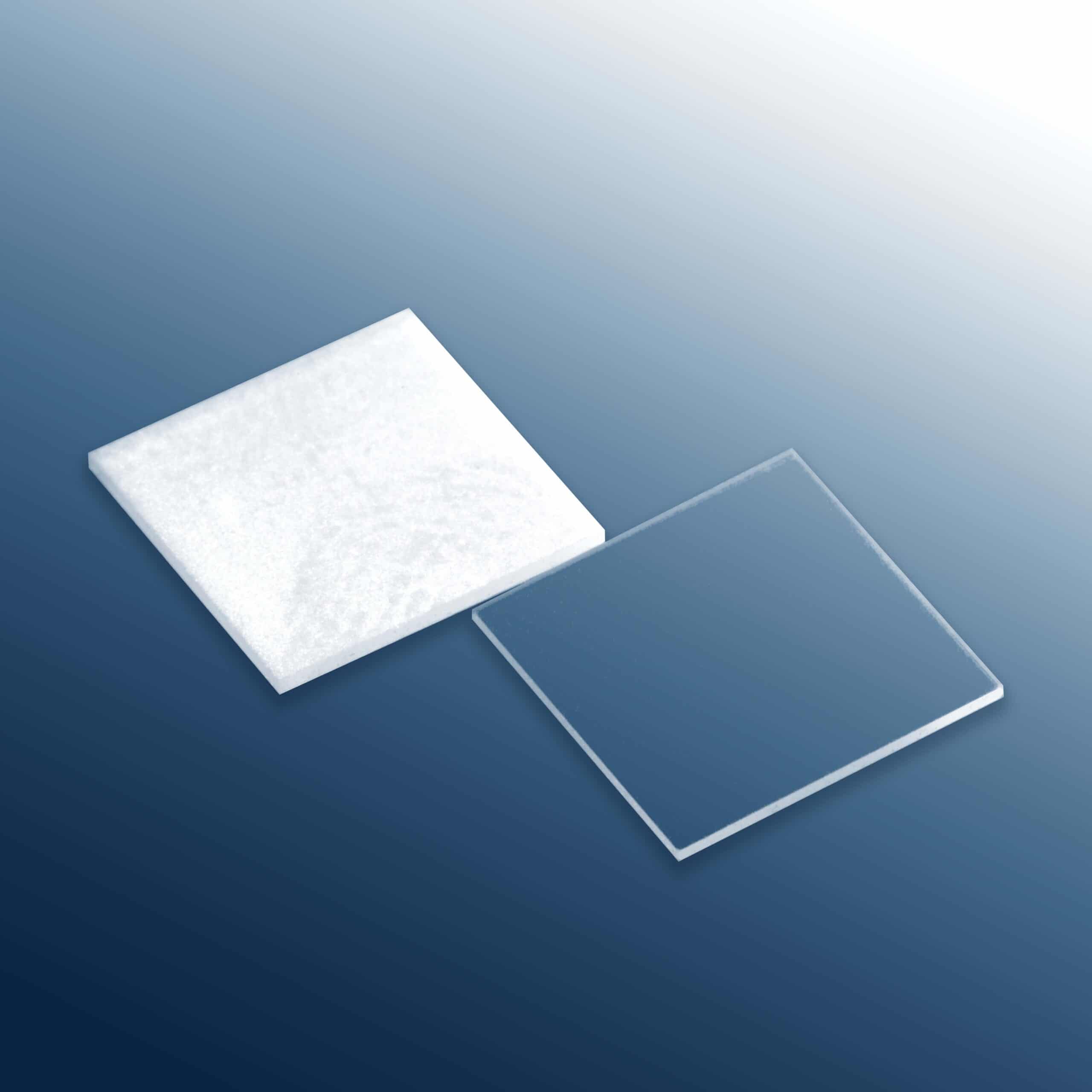
Sapphire Substrates – Flat, polished pieces of sapphire used as a base for growing thin films in semiconductors, LEDs, and electronic devices. They provide a stable, insulating, and thermally resistant platform for advanced electronics.
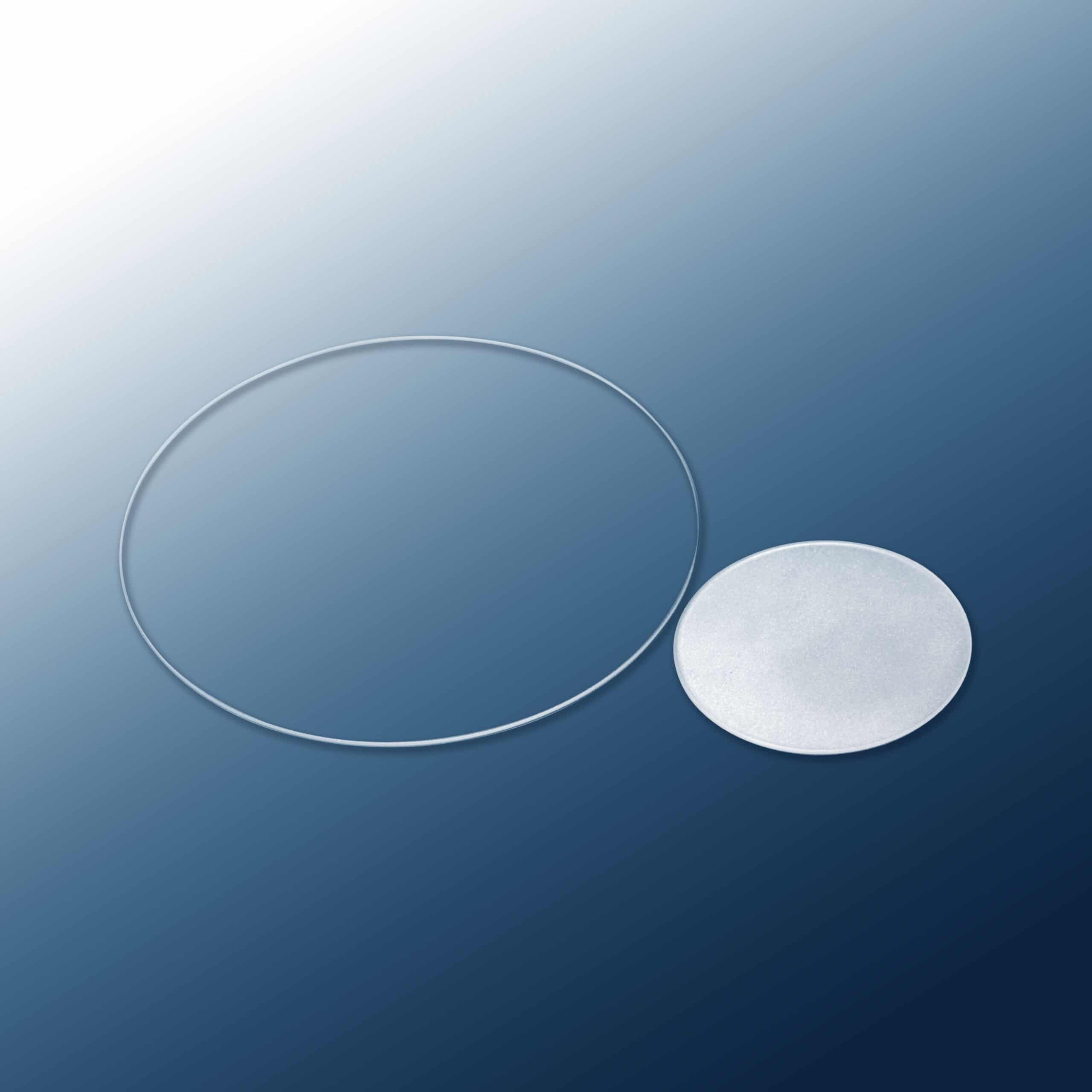
Sapphire Wafers – Thin, circular slices of sapphire cut from larger boules, often used in microelectronics, LEDs, and precision optics. Wafers are designed for uniform thickness and smooth surfaces to support fabrication processes.
Sapphire Optical Windows – Flat or shaped pieces designed for transparent viewing, laser systems, sensors, and protective covers. They leverage sapphire’s broad-spectrum UV to IR transparency, hardness, and thermal stability.
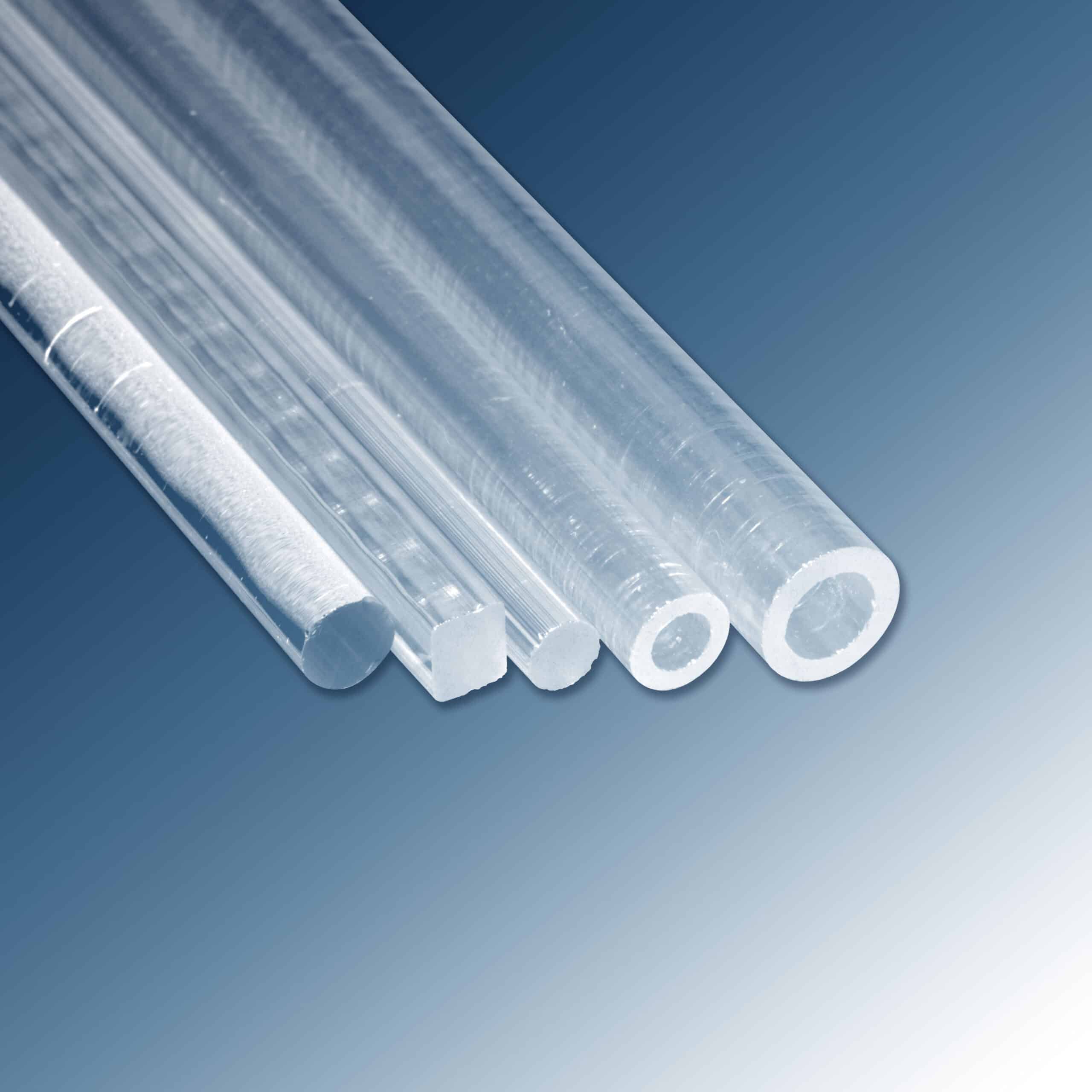
Sapphire Tubes and Rods – Cylindrical shapes used in industrial, scientific, and medical applications where strength, wear resistance, or thermal performance is critical. Tubes and rods are often used as structural components, nozzles, or in fluid handling systems.
Each form is tailored to specific technical requirements, whether it’s for optical clarity, electronic functionality, mechanical strength, or chemical resistance.
What customization options are available for sapphire components?
AdValue Technology offers a variety of customization options for sapphire components to meet specific application requirements:
Custom Shapes and Sizes – Sapphire can be fabricated into wafers, substrates, windows, rods, tubes, or unique geometries tailored to your project.
Precision Machining and Polishing – Components can be ground, lapped, or polished to exact dimensions and surface finishes for optical, electronic, or mechanical applications.
Drilling and Cutting – Sapphire parts can be drilled, cut, or shaped for specialized mounting, fluid flow, or integration needs.
Coatings and Treatments – Optional surface treatments or anti-reflective coatings can enhance optical performance or chemical resistance.
Batch or Prototype Production – Both small prototype runs and larger production volumes can be accommodated.
These customization options allow sapphire components to be optimized for performance, durability, and integration in advanced industries such as electronics, optics, aerospace, and medical devices.
How do sapphire products perform in harsh or high‑pressure environments?
Sapphire products perform exceptionally well in harsh or high-pressure environments due to their combination of extreme hardness, chemical inertness, and thermal stability. They can withstand significant mechanical stress without cracking or deforming, making them ideal for high-pressure applications such as industrial equipment, aerospace components, and scientific instruments.
Additionally, sapphire resists corrosion from a wide range of acids, bases, and other aggressive chemicals, ensuring long-term durability even in chemically harsh conditions. Its thermal stability allows it to maintain strength and structural integrity under high temperatures, while its excellent optical clarity and electrical insulation remain consistent. These properties make sapphire a reliable material for extreme environments where other materials might fail.
What technical datasheets or specifications are available for sapphire products?
AdValue Technology provides technical datasheets and specifications for its sapphire products to help engineers and designers select the right material for their applications. These typically include information on:
Mechanical Properties – hardness, fracture toughness, and strength.
Thermal Properties – thermal conductivity, expansion, and maximum operating temperature.
Optical Properties – transparency range (UV to IR), refractive index, and surface finish.
Electrical Properties – resistivity and dielectric strength.
Chemical Resistance – stability in acids, bases, and other corrosive environments.
Dimensional Tolerances – thickness, diameter, and flatness for wafers, windows, rods, and tubes.
Datasheets may be available for standard products as well as custom components, ensuring designers have the detailed specifications needed for high-performance electronics, optics, and industrial applications.
How do you choose the right sapphire product for a specific application?
Choosing the right sapphire product for a specific application involves considering several key factors:
Application Requirements – Determine whether the component needs to provide optical clarity, mechanical strength, electrical insulation, chemical resistance, or thermal stability.
Form Factor – Decide if a wafer, substrate, optical window, rod, or tube best suits the application.
Size and Tolerances – Consider dimensions, thickness, diameter, flatness, and surface finish needed for precise integration.
Environmental Conditions – Evaluate exposure to high temperatures, pressure, chemicals, or mechanical wear to select an appropriate grade of sapphire.
Optical and Electrical Properties – For optical applications, check transparency range and refractive index; for electronics, verify electrical insulation properties.
Customization Needs – Determine if specialized shapes, machining, coatings, or treatments are required for optimal performance.
Volume and Cost – Balance production quantity, lead time, and budget considerations with performance needs.
By carefully assessing these factors, engineers and designers can select the sapphire product that delivers the best performance, reliability, and longevity for their specific application.
What is the lead time for ordering sapphire materials from AdValue Technology?
The lead time for ordering sapphire materials from AdValue Technology can vary depending on the type of product, customization requirements, and order volume. Standard products like wafers, rods, or windows may have shorter lead times, while custom shapes, sizes, or specialized machining may require additional time for fabrication and quality assurance. For the most accurate and up-to-date lead time, it is recommended to contact AdValue Technology directly with your specific product requirements.
Are sapphire products available in metric and custom sizes?
Yes, sapphire products from AdValue Technology are available in both standard metric sizes and fully custom dimensions. This flexibility allows engineers and designers to select components that precisely fit their application requirements, whether for wafers, substrates, optical windows, rods, or tubes. Custom sizing can include specific diameters, thicknesses, lengths, or unique shapes, as well as precision machining and surface finishes to meet exact performance and integration needs.
How does sapphire compare to alternative materials like glass or quartz in performance?
Sapphire offers several performance advantages over alternative materials like glass or quartz, making it a preferred choice for demanding applications:
Hardness and Scratch Resistance – Sapphire is extremely hard (9 on the Mohs scale), far surpassing glass (around 5.5) and quartz (7), providing superior durability and wear resistance.
Thermal Stability – Sapphire can withstand much higher temperatures (up to ~2,000°C) without deforming, compared to glass or quartz, which are more prone to thermal stress.
Chemical and Corrosion Resistance – Sapphire is highly inert and resists many acids, bases, and harsh chemicals better than most glass or quartz materials.
Optical Clarity – Sapphire transmits a wider spectrum of light (UV to IR) with minimal absorption, whereas standard glass is limited in UV transmission and quartz , though provides excellent UV transparency, may have narrower overall optical ranges.
Electrical Insulation – Sapphire maintains excellent dielectric properties even at high temperatures, outperforming many glasses and some quartz types in electronic applications.
Overall, sapphire is stronger, more durable, chemically stable, and optically versatile, making it ideal for high-performance electronics, optics, aerospace, and industrial applications where glass or quartz may fall short.
What testing or quality assurance processes are used for sapphire components?
Sapphire components from AdValue Technology undergo rigorous testing and quality assurance processes to ensure they meet the high standards required for advanced applications. Key processes include:
Dimensional Inspection – Verifying thickness, diameter, flatness, and surface finish to ensure components meet precise specifications.
Visual and Optical Inspection – Checking for inclusions, scratches, cracks, or other defects that could affect optical performance or durability.
Consistency and Traceability – Documenting batch data, material properties, and test results for quality assurance and regulatory compliance.
These processes ensure that sapphire components are durable, precise, and reliable, meeting the demanding requirements of industries like semiconductors, optics, aerospace, and medical devices.




 Technical Info