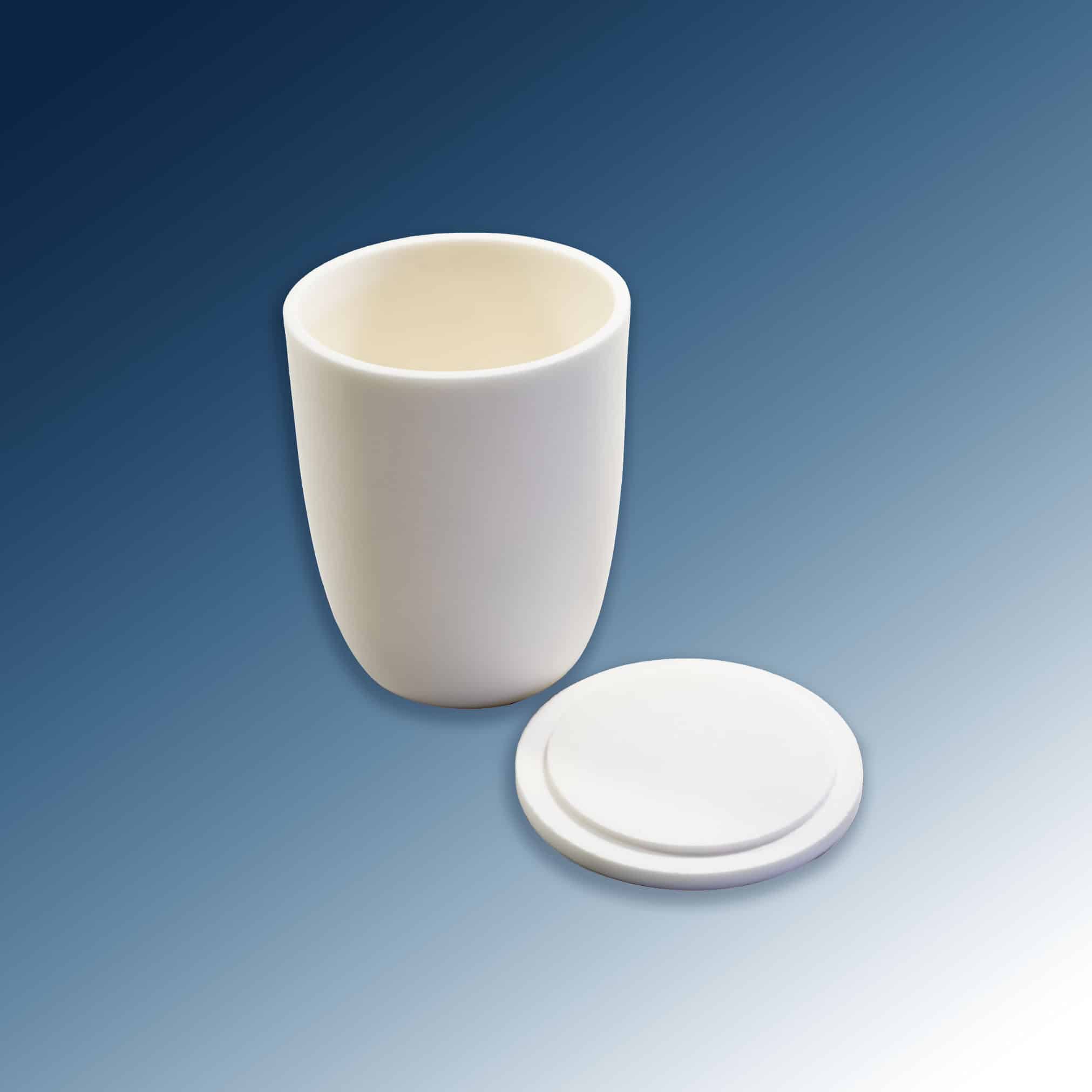
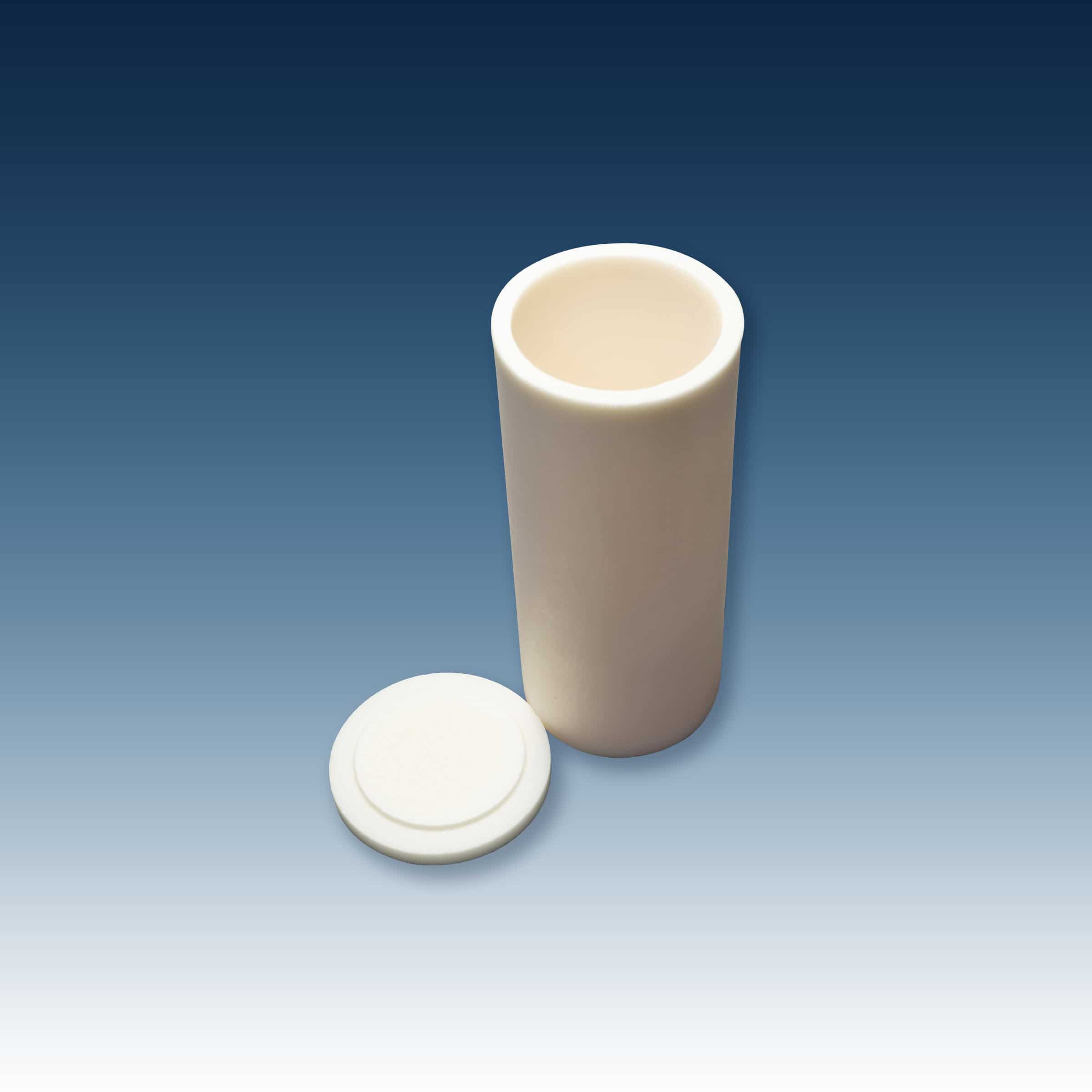
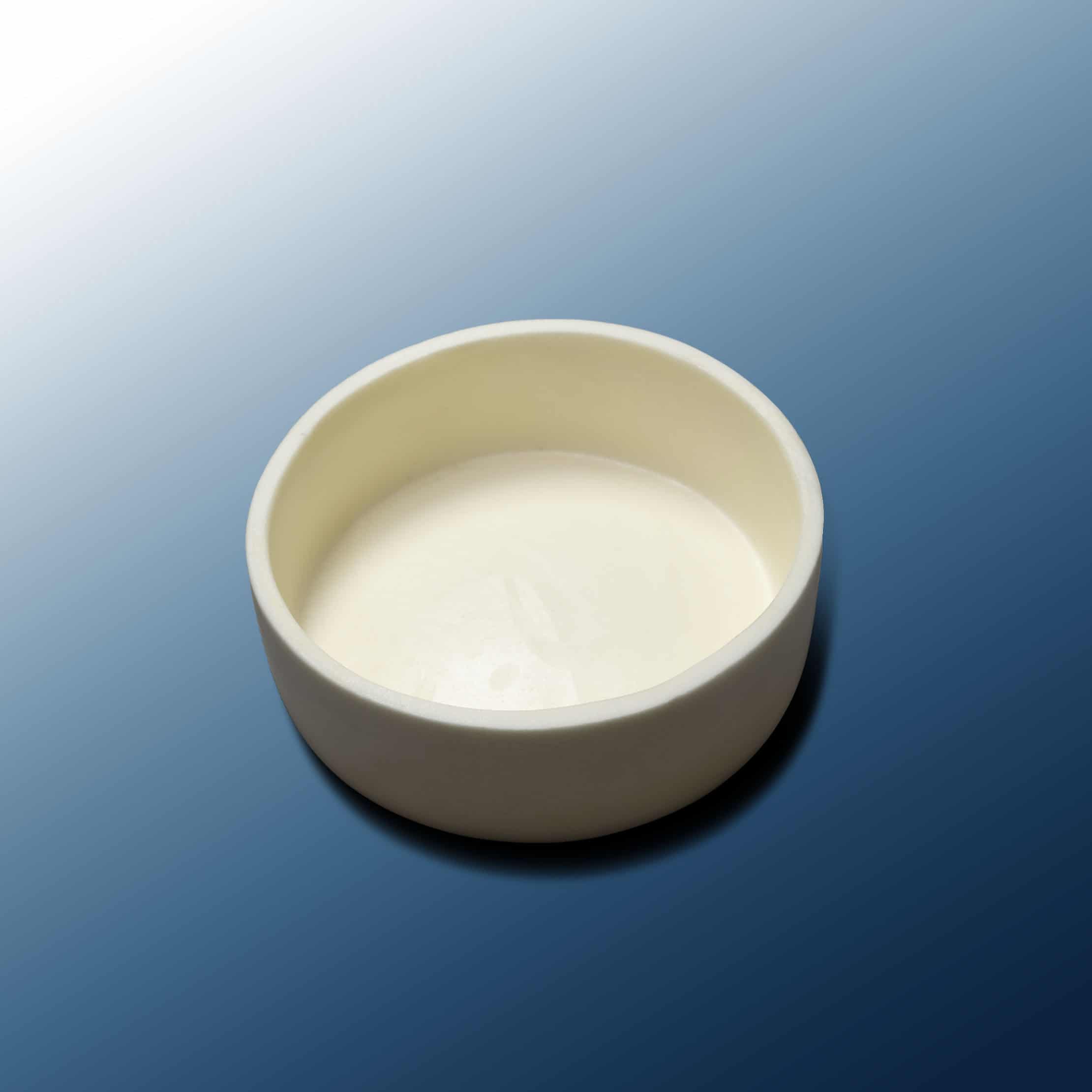
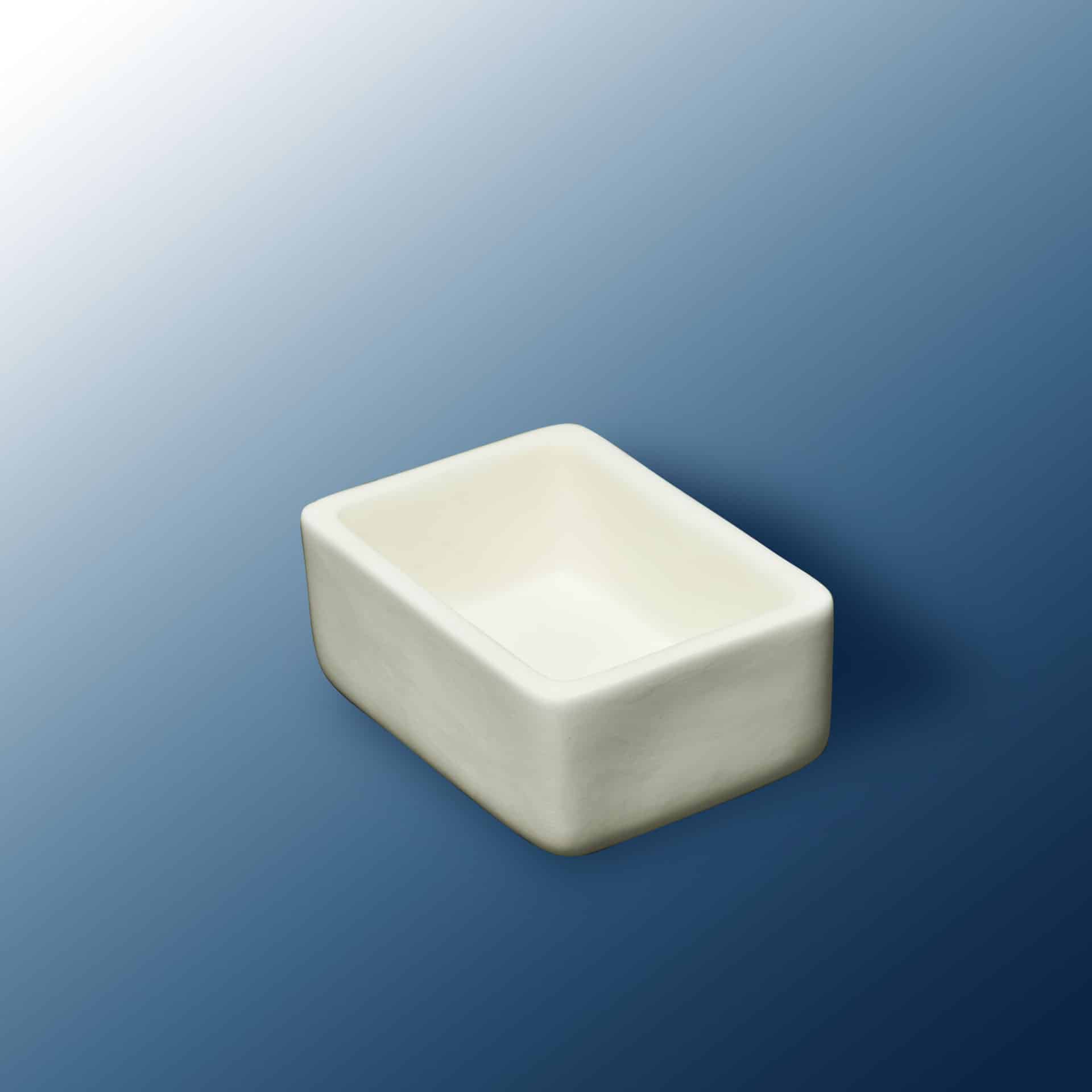
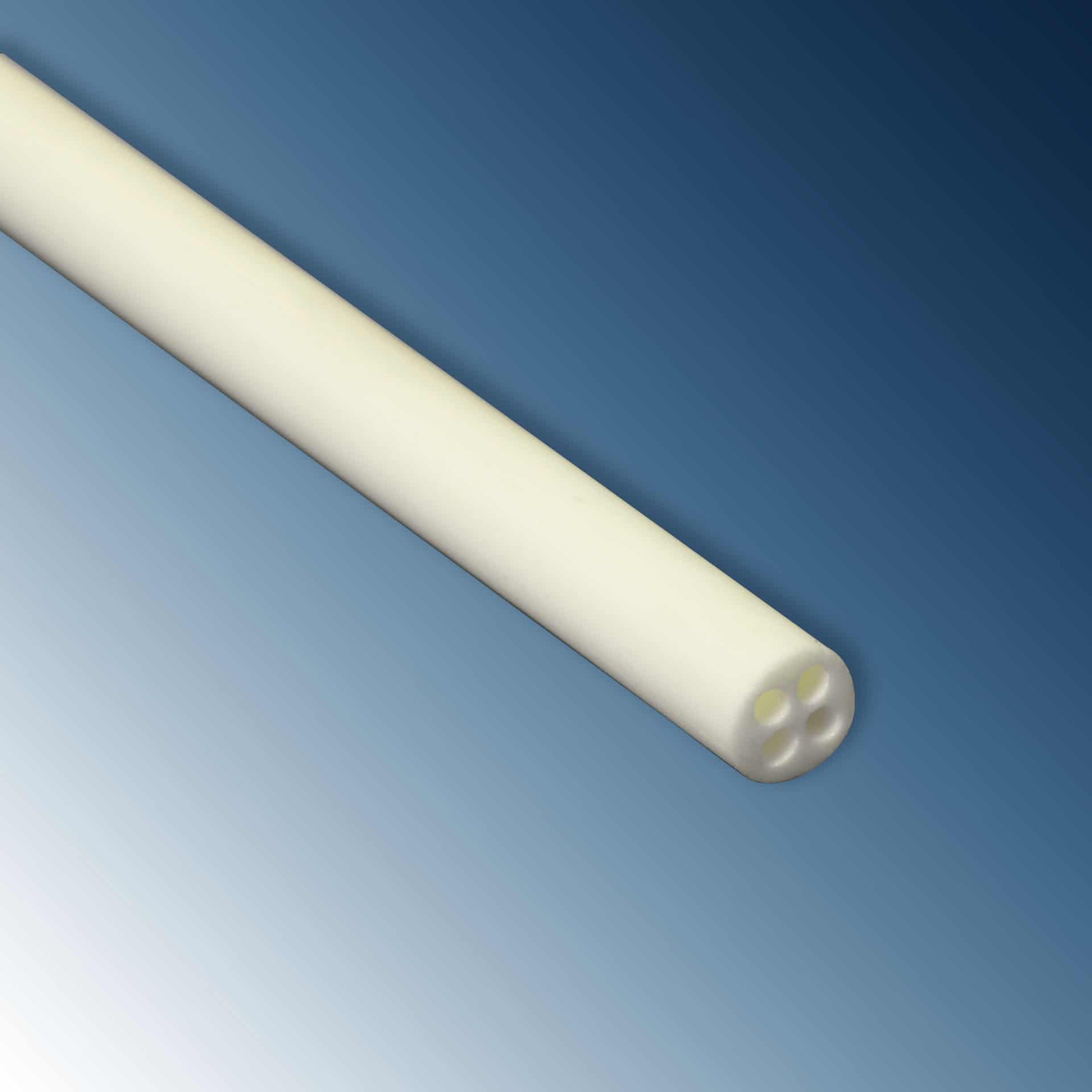
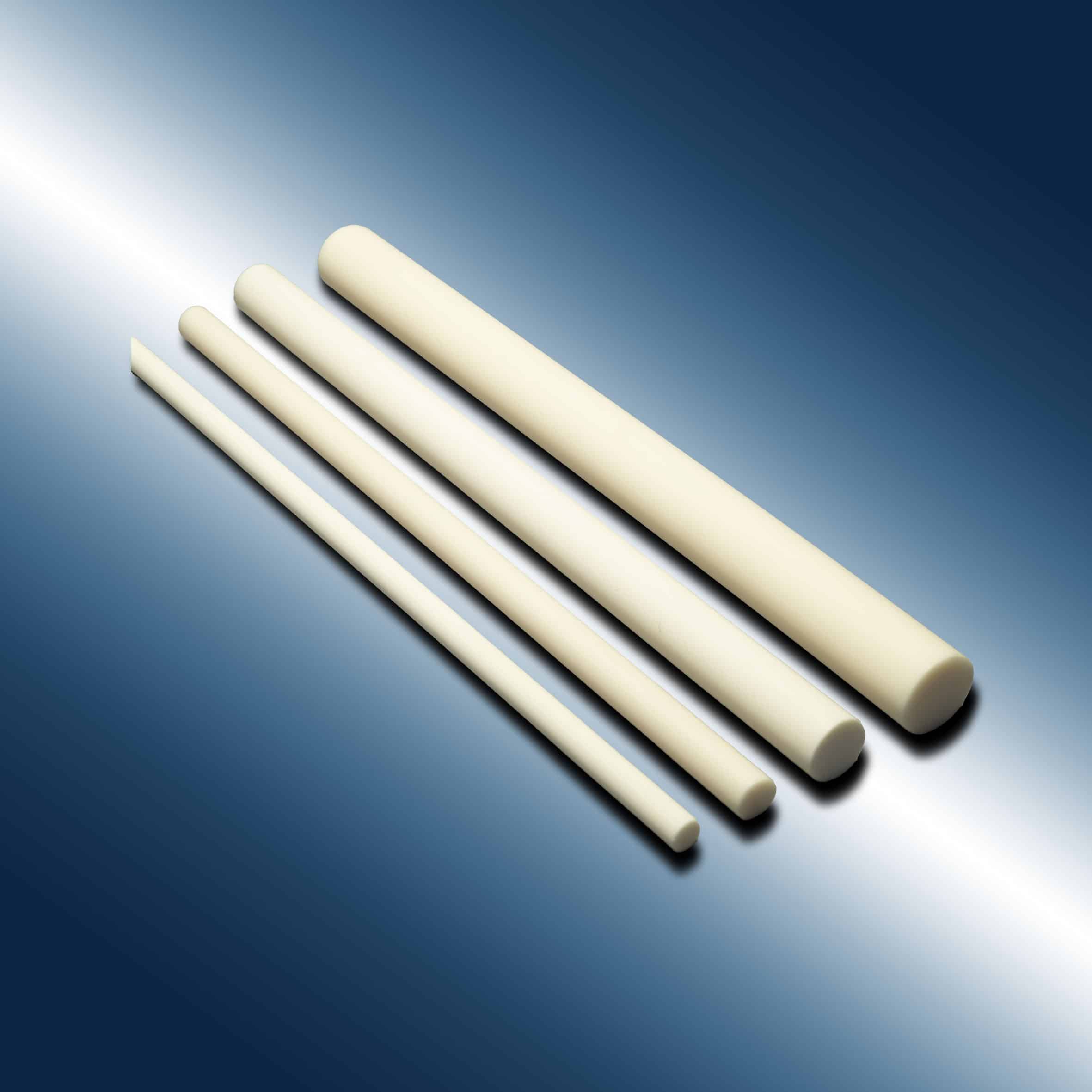
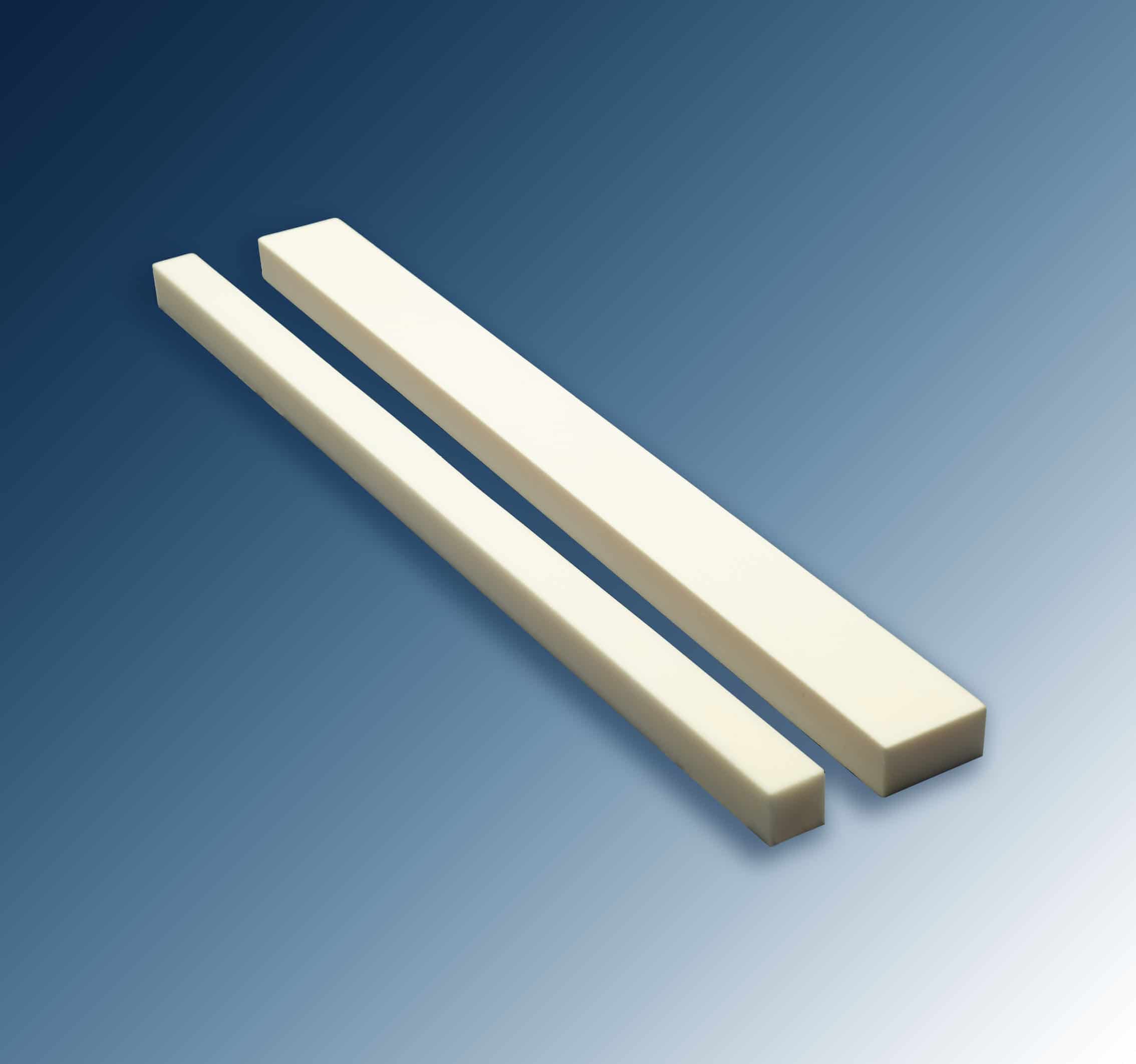
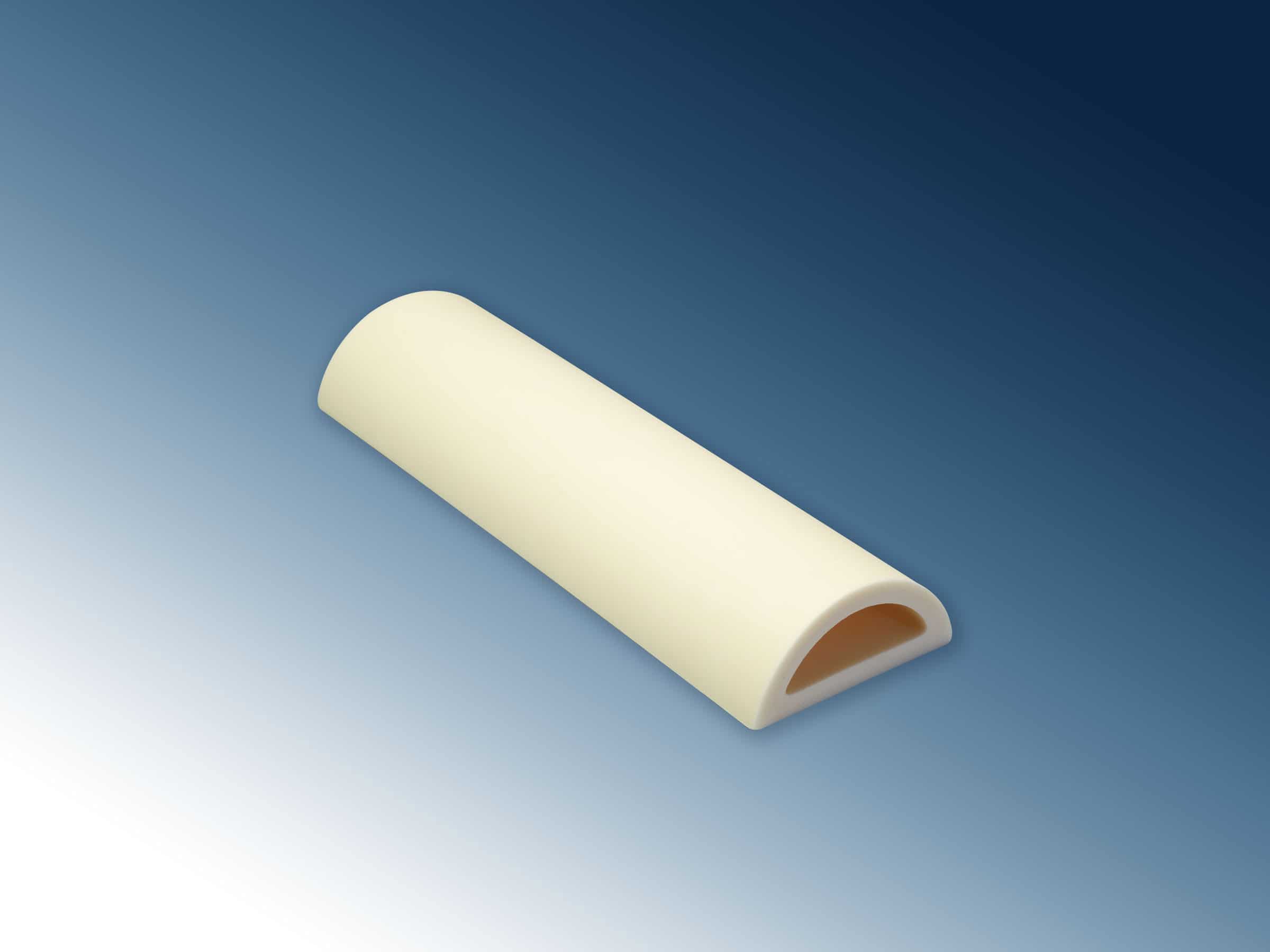
Alumina gives engineers a dependable ceramic material for applications that demand strength, electrical insulation, and resistance to high temperatures. Manufacturers often select aluminum oxide for components exposed to wear, chemicals, high temperatures, or other challenging operating conditions. AdValue Technology offers alumina in forms such as crucibles, tubes, plates, discs, and custom components for industrial, electronics, aerospace, and energy applications. Customers can select standard or custom configurations based on dimensional, thermal, and mechanical requirements. Explore the available options to find a product that fits your application.
Frequently Asked Questions About Alumina
What is alumina and what are its primary chemical and physical properties?
Alumina, also known as aluminum oxide (Al₂O₃), is a highly versatile advanced ceramic material widely used across various industries. Chemically, it is composed of aluminum and oxygen, giving it exceptional stability and resistance to many corrosive environments. Physically, alumina is known for its remarkable hardness, making it highly wear-resistant, as well as its ability to withstand extremely high temperatures without degrading. It also exhibits excellent electrical insulation properties, which make it ideal for use in electronic and high-voltage applications. Additionally, alumina has moderate thermal conductivity relative to other ceramics,allowing it to assist with heat dissipation while still providing electrical isolation. These combined chemical and physical properties make alumina a reliable, durable, and cost-effective material for applications ranging from electronics and aerospace to energy and high-temperature industrial equipment.
How does alumina’s high hardness and wear resistance benefit industrial applications?
Alumina’s high hardness and wear resistance make it an ideal material for industrial applications that involve friction, abrasion, or repeated surface contacts. Components made from alumina, such as tubes, plates, or custom parts, can withstand prolonged contact with abrasive materials without significant wear, reducing the frequency of replacements and maintenance. This durability extends the lifespan of equipment, improving operational efficiency and lowering overall costs. In industries like manufacturing, mining, and chemical processing, where machinery often faces harsh conditions, alumina’s wear resistance ensures reliable performance, minimizes downtime, and helps maintain precise tolerances in critical components. Its combination of high hardness, strength, and chemical stability makes it a dependable solution for high-performance, long-lasting industrial applications.
In what ways does alumina perform under high-temperature conditions?
Alumina performs exceptionally well under high-temperature conditions, making it a preferred material for applications that involve extreme heat. It has a high melting point, typically above 2,000°C (3,632°F), and excellent thermal and chemical stability. These properties allow it to maintain structural integrity and resist softening, oxidation, and chemical degradation at elevated temperatures, making alumina ideal for use in furnaces, kilns, high-temperature reactors, and other industrial equipment where consistent performance at elevated temperatures is critical.
Why is alumina considered a superior electrical insulator?
Alumina is considered a superior electrical insulator due to its exceptionally high electrical resistivity and low dielectric loss. These properties prevent the flow of electric current, making alumina ideal for applications where reliable insulation is critical. Unlike many metals or conductive materials, alumina can maintain its insulating performance even at elevated temperatures, which is essential for electronic components, high-voltage equipment, and other demanding electrical applications. Its stability under thermal and chemical stress ensures that insulation remains consistent over time, reducing the risk of short circuits or electrical failures. This combination of durability, temperature tolerance, and electrical resistance makes alumina a trusted material for a wide range of insulating applications.
How does alumina maintain chemical stability in harsh environments?
Alumina maintains chemical stability in harsh environments due to its inert and highly stable chemical structure. Composed of aluminum and oxygen in a strong crystalline lattice, alumina resists oxidation and to many corrosive gases, molten metals, and neutral or mildly acidic chemical environments, allowing it to retain its mechanical and electrical properties over long periods of use.
However, alumina can be attacked by strong acids (especially hydrofluoric acid) and strong alkalis under certain conditions, so its chemical resistance depends on the specific environment. When properly matched to the application, alumina can operate reliably in aggressive industrial, laboratory, and high-temperature settings, contributing to long service life and reduced maintenance.
As a result, alumina is widely used in applications such as chemical processing equipment, high-temperature reactors, and protective coatings where consistent performance in challenging conditions is essential.
Which industries commonly use alumina and for what purposes?
Alumina is used across a wide range of industries due to its versatility, durability, and high-performance properties. In the electronics industry, it is widely used as an insulating substrate for circuits, power modules, and high-voltage components. In energy and power generation, alumina is used in high-temperature equipment, such as furnace linings and thermal management components, where heat resistance and chemical stability are critical. The aerospace and defense sectors rely on alumina for wear-resistant parts, electrical insulators, and thermal barriers components. In chemical and material processing, alumina’s corrosion resistance makes it ideal for reactors, crucibles, and piping exposed to hot gases, molten materials, and moderately corrosive environments. Additionally, industries such as automotive, medical, and manufacturing use alumina for precision parts, seals, bearings, and protective coatings where hardness, wear resistance, and stability under extreme conditions are essential. Across these applications, alumina’s combination of mechanical strength, thermal performance, and electrical insulation makes it a trusted material for demanding industrial needs.
What types of alumina products does AdValue Technology offer?
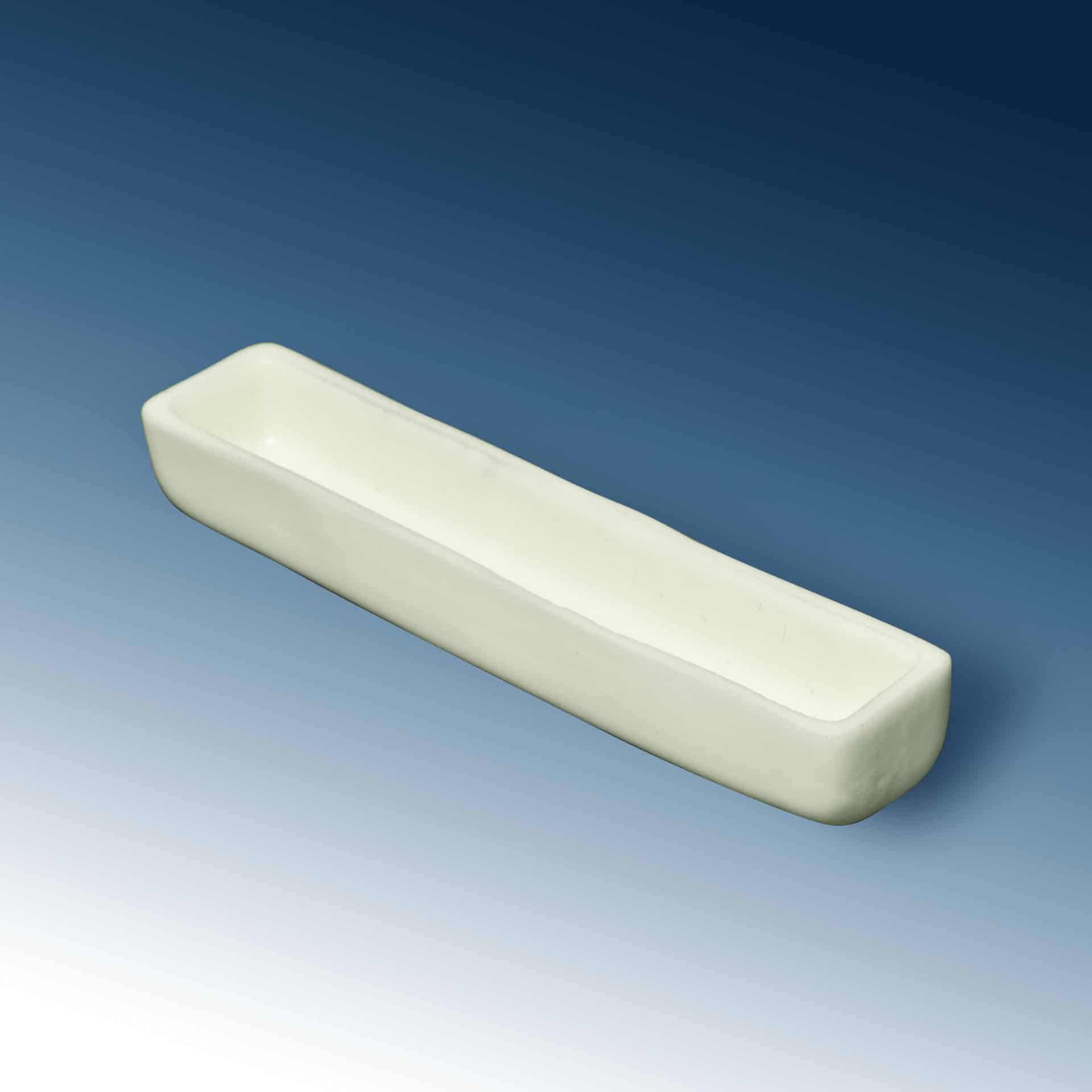
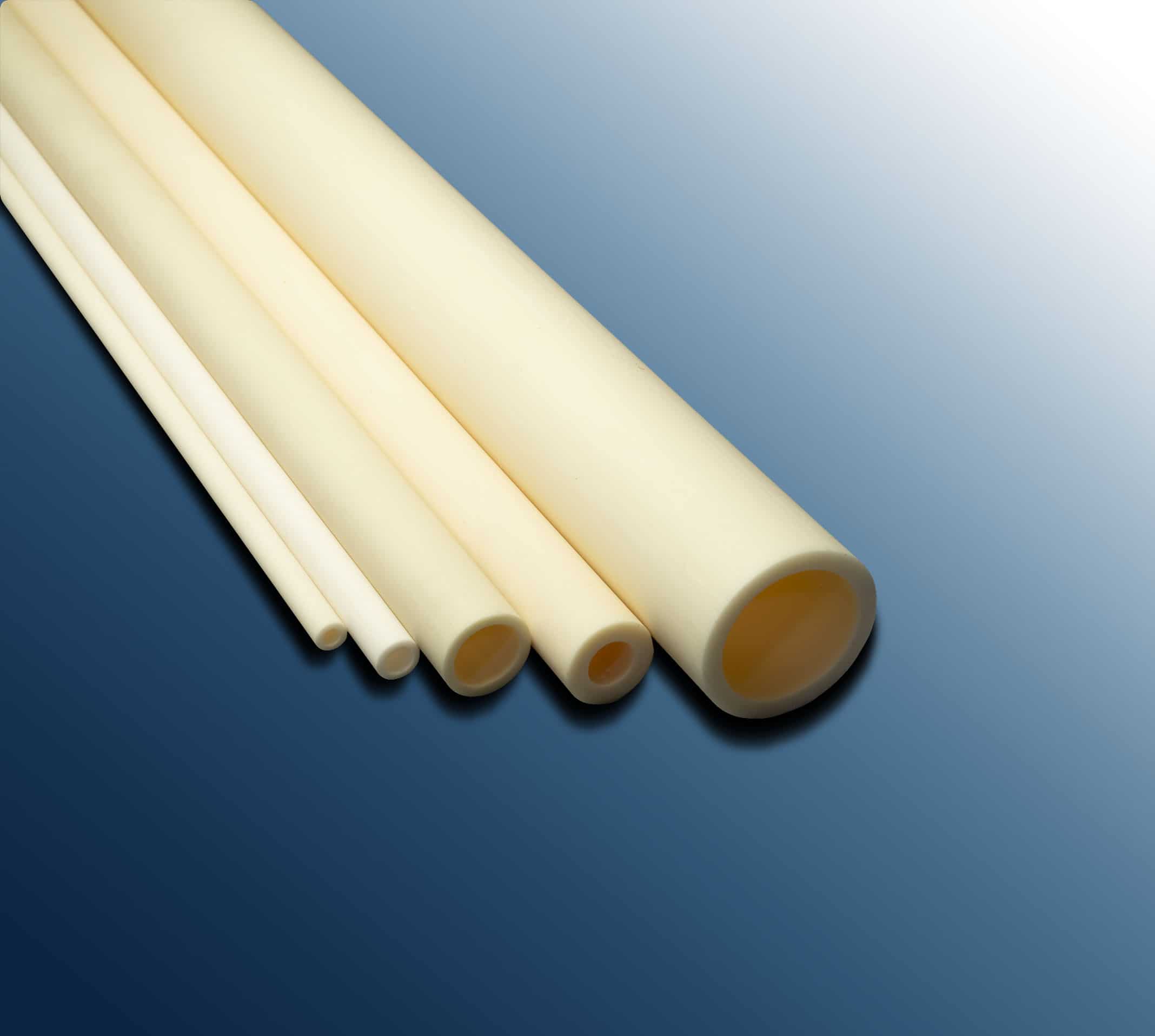
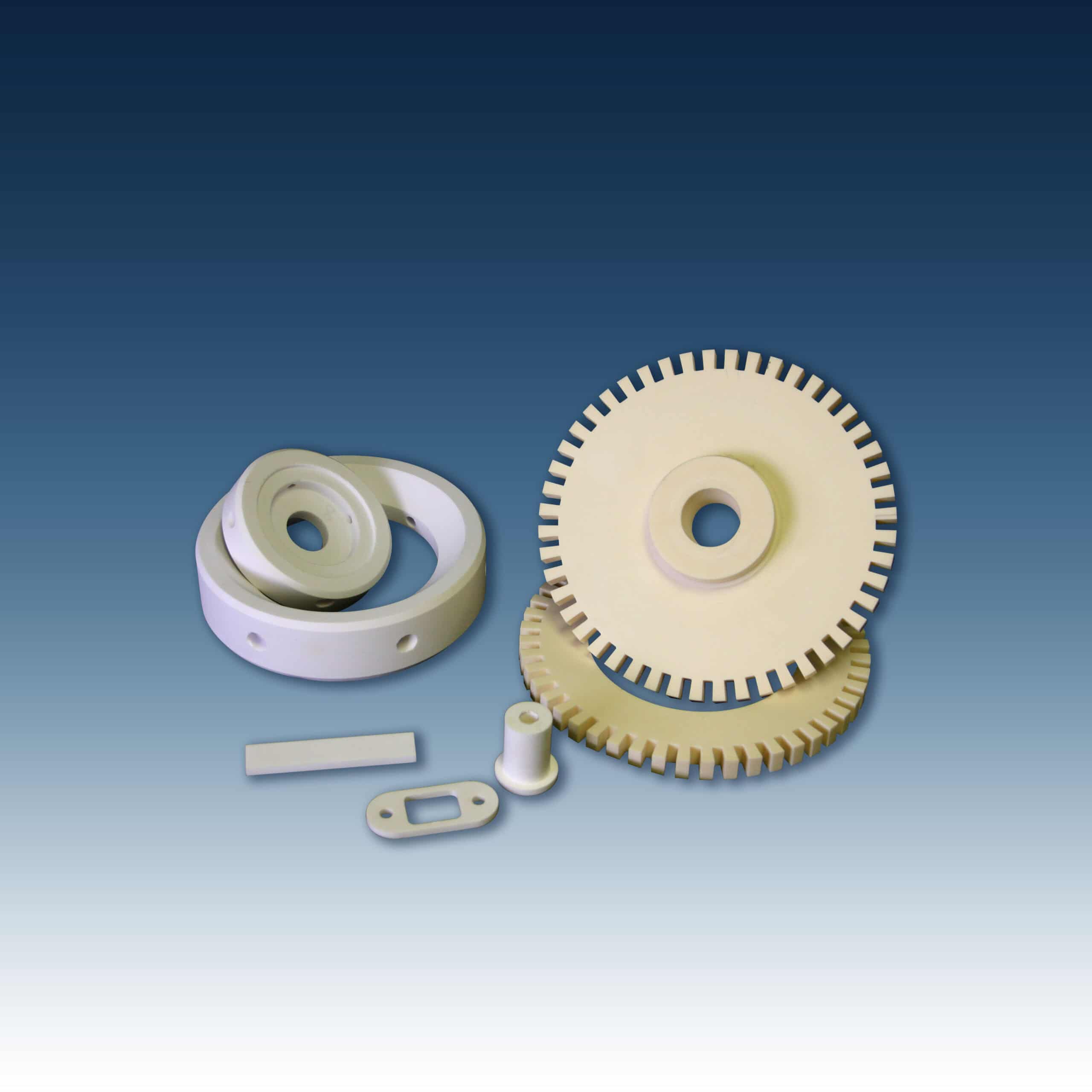
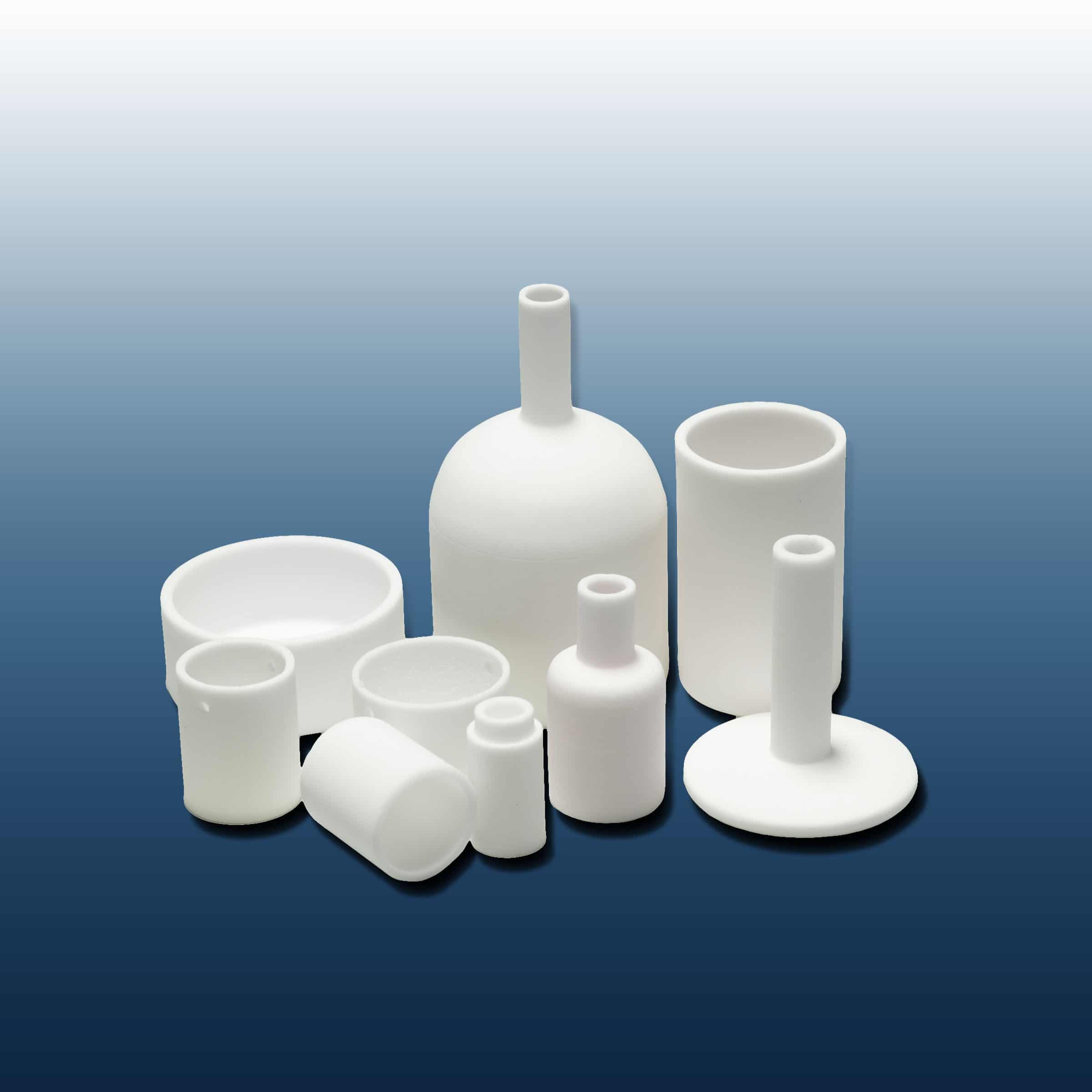
AdValue Technology offers a comprehensive range of alumina products designed to meet diverse industrial and engineering needs. Their product lineup includes alumina crucibles, which are ideal for high-temperature material processing and chemical applications, and alumina tubes, commonly used in thermal, electrical, and structural applications. They also provide alumina plates and discs, suitable for precision components, wear-resistant surfaces, and electrical insulation. Beyond standard products, AdValue Technology specializes in custom alumina components, tailored to specific application requirements, sizes, and shapes. This combination of standard and customized solutions ensures that clients can find alumina products optimized for performance, durability, and reliability in a wide variety of industrial environments.
How are alumina crucibles used in industrial or laboratory settings?
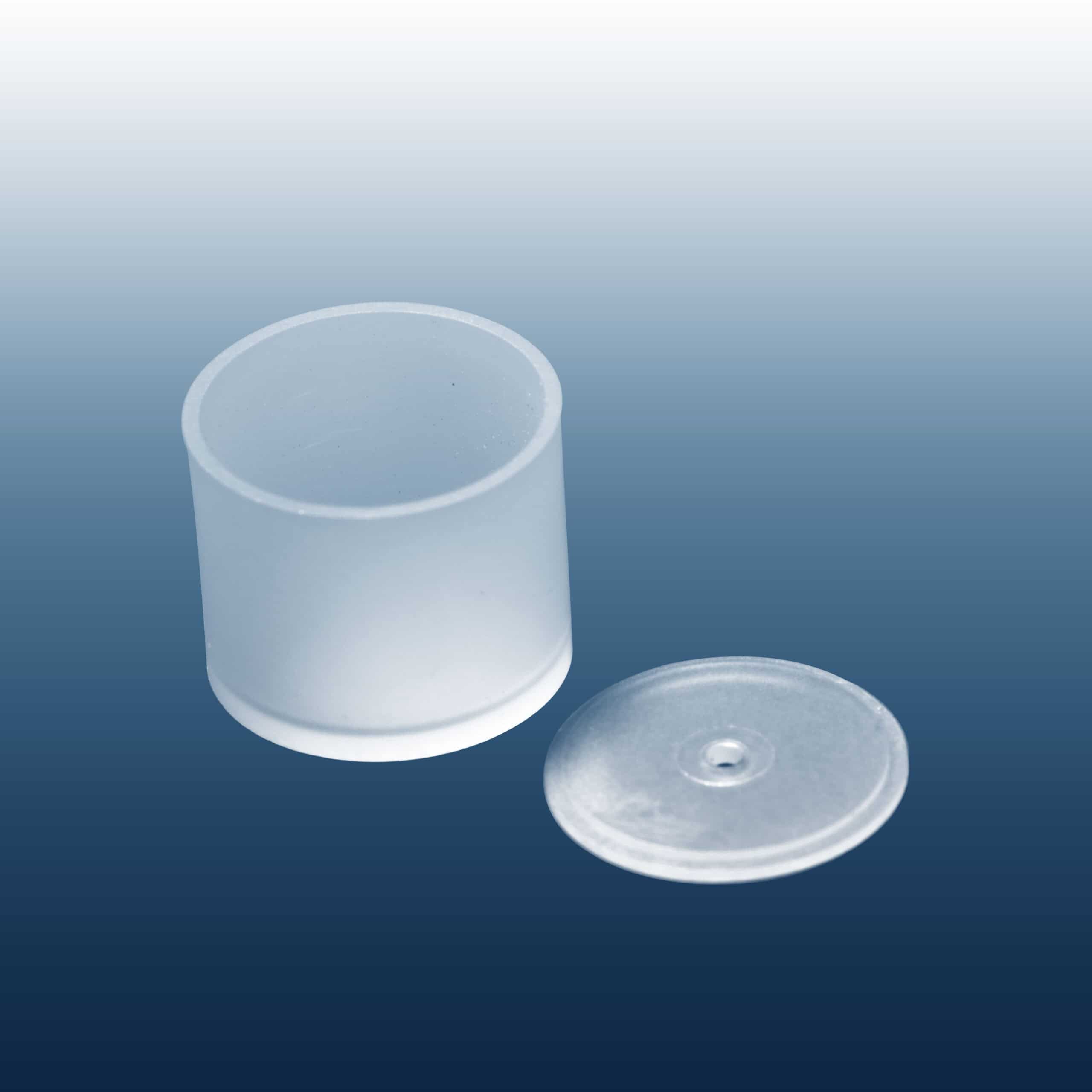
Alumina crucibles are widely used in both industrial and laboratory settings due to their ability to withstand extreme temperatures and corrosive environments. In laboratories, they are commonly employed for high-temperature reactions, sample melting, calcination and material analysis, where their thermal stability and purity help ensure accurate and contamination-free results. In industrial applications, alumina crucibles are used in metal casting, glass production, and ceramics processing, providing a durable container that can tolerate high temperatures and exposure to molten materials and gases. Their high purity and chemical inertness prevent contamination of materials, making them ideal for processes that require strict quality control. When properly applied, alumina crucibles offer reliable performance, longevity, and safety in environments where thermal stability and chemical compatibility are critical.
What applications are alumina tubes best suited for?
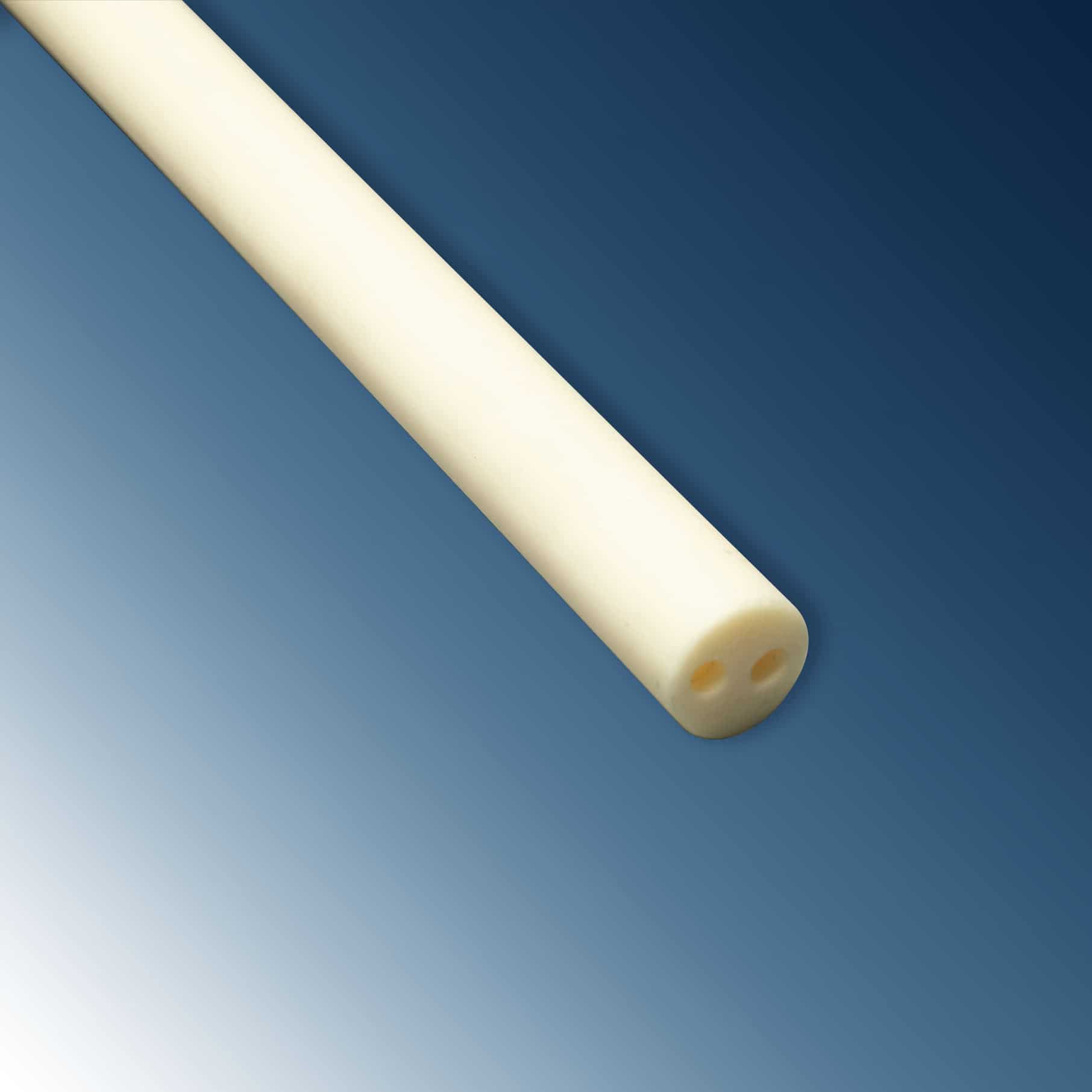
Alumina tubes are best suited for applications that require high-temperature resistance, electrical insulation, and chemical stability. They are commonly used in furnaces, kilns, and heating systems to protect sensors, heating elements, and other components from extreme heat while maintaining structural integrity. In electronics and electrical engineering, alumina tubes serve as insulating sleeves for wires, thermocouples, and other high-voltage components. They are also employed in laboratory and materials processing equipment where resistance to high temperatures and compatibility with many gases and molten materials are required. l. Additionally, alumina tubes are used in precision industrial applications, such as fluid delivery systems or protective casings, where their hardness, durability, and dimensional stability ensure reliable, long-term performance.
How are alumina plates and discs applied in manufacturing or electronics?
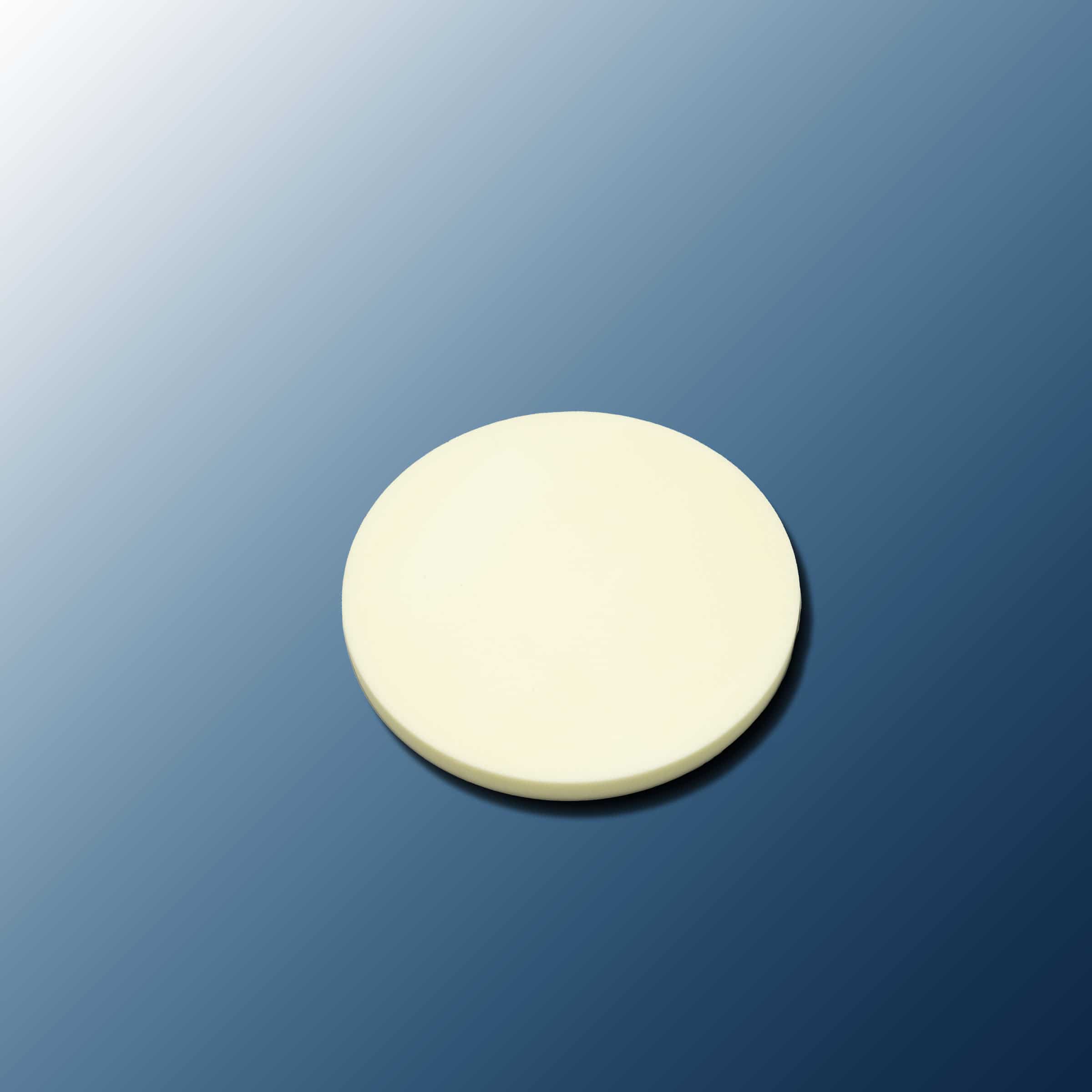
Alumina plates and discs are widely used in manufacturing and electronics for their combination of mechanical strength, thermal stability, and electrical insulation. In electronics, they serve as substrates for circuits, insulating layers for high-voltage components, and thermally stable mounting platforms for power devices, where they provide electrical isolation and maintain dimensional integrity under demanding thermal and electrical conditions. In manufacturing, alumina plates and discs are employed as wear-resistant surfaces, protective barriers, spacers, and precision fixtures taking advantage of their hardness, abrasion resistance, and chemical stability in many controlled environments. Their dimensional stability and ability to be customized in shape and tolerances make them ideal for applications that require precise tolerances and long-lasting durability in both high-performance electronic devices and industrial machinery.
Can AdValue Technology provide custom alumina components for specialized applications?
Yes, AdValue Technology can provide custom alumina components tailored to specialized applications. Their team works closely with clients to design and manufacture components that meet specific requirements for size, shape, mechanical strength, thermal performance, and electrical insulation. Customization allows alumina parts to be optimized for unique operating conditions, whether that involves high temperatures, corrosive environments, or precise dimensional tolerances. By offering both standard and bespoke solutions, AdValue ensures that industries such as electronics, aerospace, energy, and chemical processing can access alumina components that deliver reliable performance, durability, and efficiency in even the most demanding applications.
What advantages does alumina offer over other ceramic or metallic materials?
Alumina offers several advantages over other ceramic and metallic materials, particularly in applications requiring high-temperature stability, electrical insulation, and wear resistance. Compared to metals, alumina does not oxidize or rust, provides excellent electrical insulation, and maintains its structural integrity at temperatures where many metals soften or creep. Compared to other ceramics, alumina combines exceptional hardness, wear resistance, chemical stability in many environments, and relatively low cost due to its widespread availability and mature manufacturing processes. , Although its thermal conductivity and thermal shock resistance are moderate rather than exceptional, its dimensional stability and resistance to mechanical wear make it ideal for precision components in demanding industrial and electronic applications. Overall, alumina delivers a unique balance of mechanical, thermal, and electrical performance, often surpassing both metals and many other ceramics in durability, reliability, and cost-effectiveness.
How does AdValue ensure the quality and consistency of its alumina products?
AdValue Technology ensures the quality and consistency of its alumina products through a combination of rigorous material selection, precise manufacturing processes, and comprehensive quality control measures. Additionally, AdValue maintains tight tolerances in fabrication and implements consistent production protocols to ensure repeatable results across all products. This commitment to quality control guarantees that clients receive alumina components that are durable, reliable, and optimized for their specific applications.
What are the typical size and shape options for alumina components?
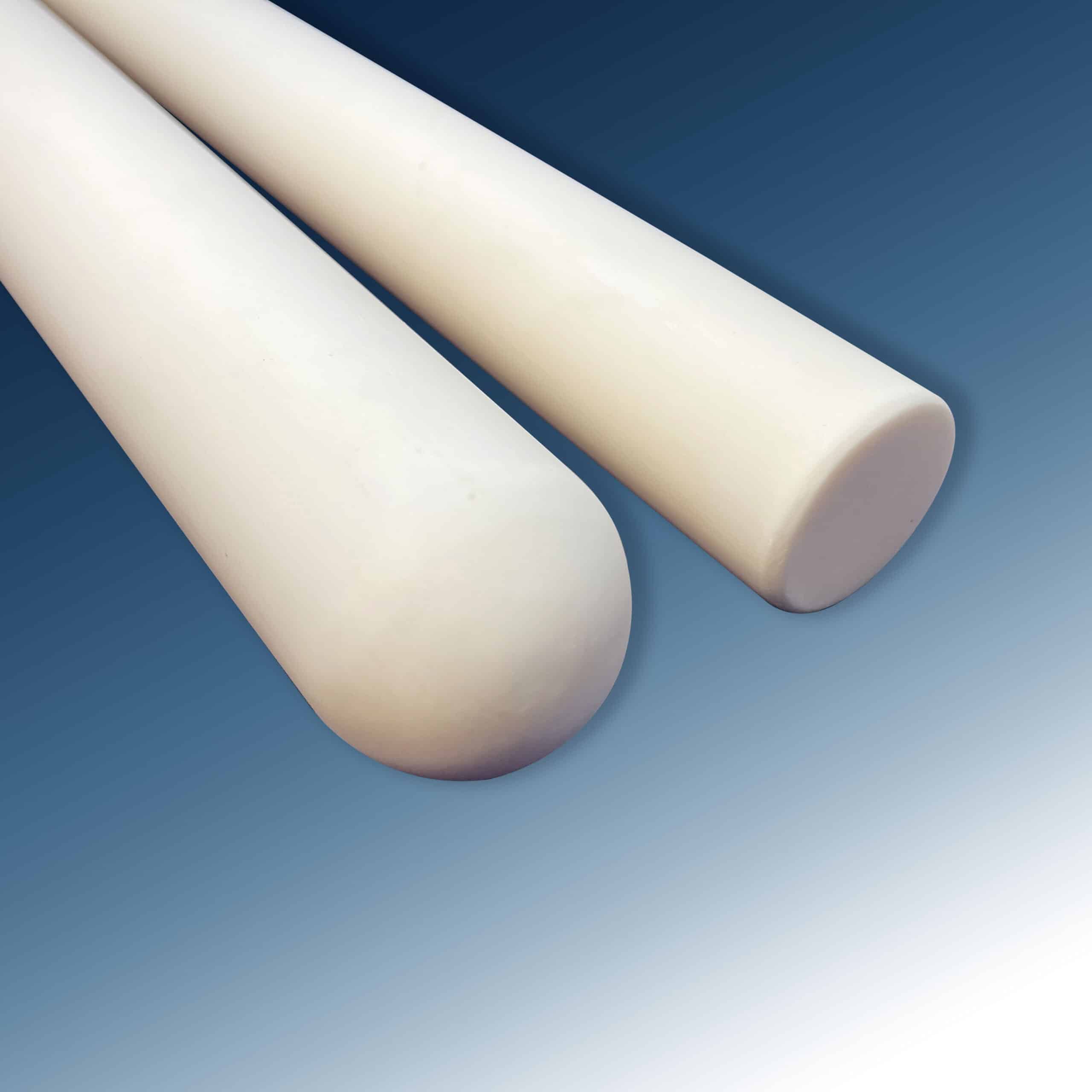
Alumina components are available in a wide range of sizes and shapes to meet diverse industrial and engineering requirements. Standard options include tubes, plates, discs, rods, and crucibles, each available in various dimensions such as diameter, length, thickness, and wall thickness. Plates and discs can be produced in custom thicknesses and diameters to fit specific applications, while tubes and rods are often offered in multiple lengths and diameters for thermal, electrical, or structural uses. AdValue Technology also provides custom-shaped components designed to precise tolerances, enabling clients to achieve exact specifications for specialized applications. This flexibility in size and geometry ensures that alumina components can be tailored for optimal performance in high-temperature, wear-resistant, or electrically insulating environments.
How does alumina contribute to cost-effective solutions in engineering and manufacturing?
Alumina contributes to cost-effective solutions in engineering and manufacturing by combining low material cost with durability, performance, and low maintenance requirements. As one of the most widely produced and readily available advanced ceramics, alumina is significantly less expensive than many alternative ceramic materials such as aluminum nitride, zirconia, silicon carbide, or sapphire, while still providing excellent hardness, electrical insulation, and high-temperature stability. Its exceptional hardness and wear resistance reduce the frequency of part replacements, while its high thermal and chemical stability minimizes downtime due to component failure. Alumina’s electrical insulation properties also allow for the design of reliable, long-lasting electronic and high-voltage systems. Additionally, the material’s versatility and availability in standard and custom shapes enable efficient integration into a wide range of applications without the need for expensive modifications. By offering a balance of performance, availability, and affordability, alumina offers a high-performance, economically advantageous solution for industries ranging from electronics and aerospace to chemical processing and manufacturing.
Are there specific performance metrics or standards that AdValue’s alumina products meet?
Yes, AdValue Technology’s alumina products are manufactured to meet strict performance metrics and industry standards to ensure reliability and consistency. These metrics typically include hardness, wear resistance, thermal conductivity, electrical resistivity, and chemical purity, which enables each product to perform as expected under demanding conditions. Additionally, AdValue adheres to recognized ceramic industry standards and specifications, ensuring that components meet or exceed the requirements for mechanical strength, dimensional accuracy, and thermal stability. By maintaining these rigorous standards, AdValue guarantees that its alumina products deliver consistent quality and dependable performance across a wide range of industrial and engineering applications.
How does alumina perform in high-wear or abrasive environments?
Alumina performs exceptionally well in high-wear and abrasive environments due to its remarkable hardness and wear resistance. Its strong crystalline structure allows it to withstand continuous sliding contact and exposure to abrasive particles with minimal surface wear. This durability makes alumina ideal for components such as wear plates, liners, nozzles, guides and ceramic cutting inserts, where prolonged exposure to harsh conditions can quickly wear down softer materials. Additionally, alumina’s chemical stability in many high-temperature and industrial environments further helps maintain performance over long service periods. By resisting wear and maintaining dimensional integrity, alumina helps reduce maintenance costs, minimize downtime, and improve overall efficiency in demanding industrial applications.
Can alumina components be customized for electrical, thermal, or mechanical requirements?
Yes, alumina components can be customized to meet specific electrical, thermal, or mechanical requirements. Suppliers like AdValue Technology work with clients to design components tailored to their specific needs p. Customization can include specialized shapes, precise dimensions, tigh tolerance, or structural features that enhance performance in high-temperature environments, high-wear applications, or electronic systems. By adjusting these parameters, alumina components can be optimized for durability, efficiency, and reliability, ensuring they meet the unique demands of industrial, aerospace, electronics, and chemical processing applications.
How does AdValue Technology support clients in selecting the right alumina product for their application?
AdValue Technology supports clients in selecting the right alumina product by offering expert guidance, technical consultation, and application-specific recommendations. Their team works closely with clients to understand the operational requirements, including temperature ranges, mechanical stresses, chemical exposure, and electrical needs, and then recommends the most suitable alumina grade, shape, and configuration. AdValue also provides customization options and prototyping services to ensure the selected components perform optimally in the intended application. By combining deep material expertise with a commitment to tailored solutions, AdValue helps clients achieve reliable, efficient, and cost-effective outcomes across a wide range of industrial and engineering environments.
Slide 1
The quick, brown, classic rose, and bossanova fox jumped over the lazy dog.




 Technical Info