No products in the cart.
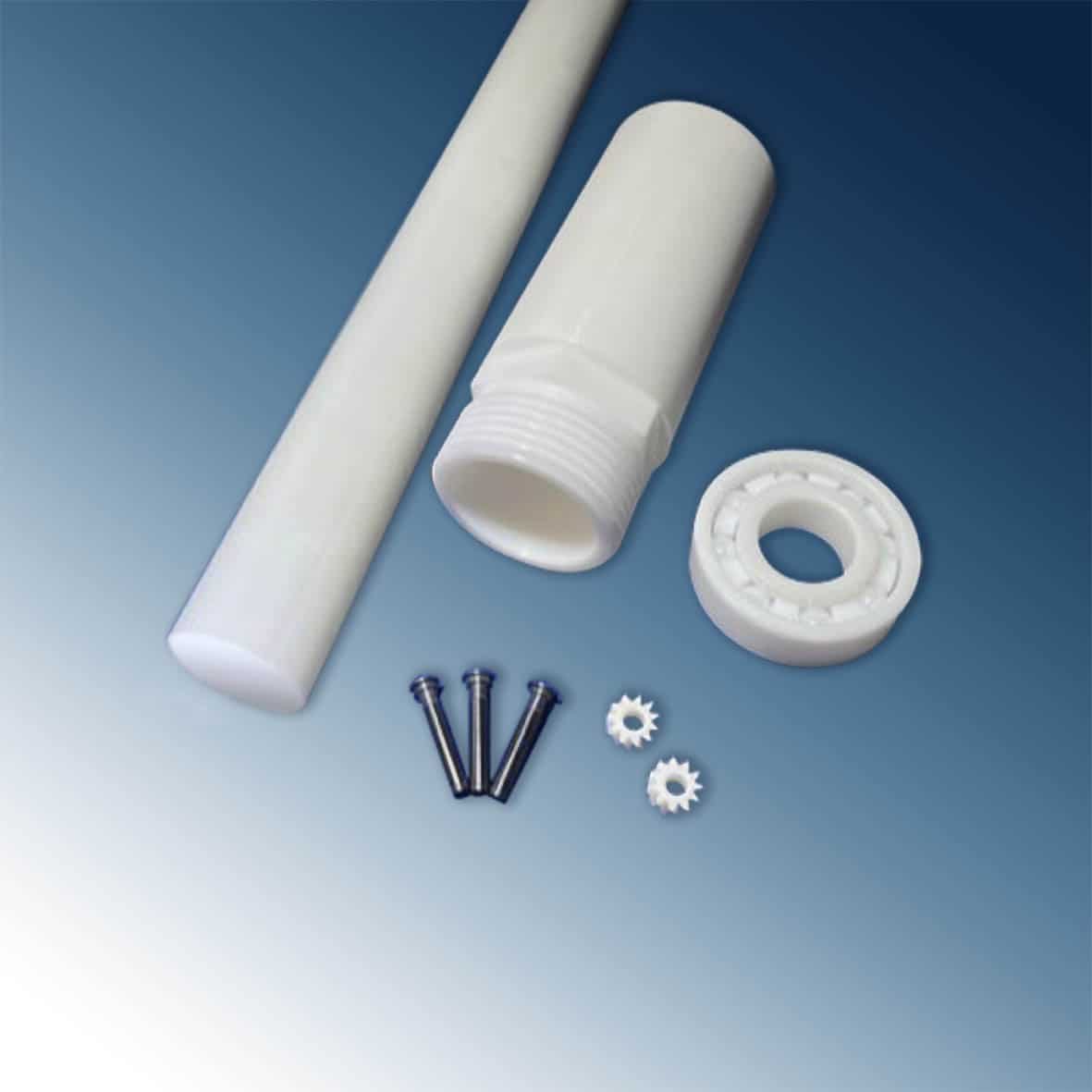
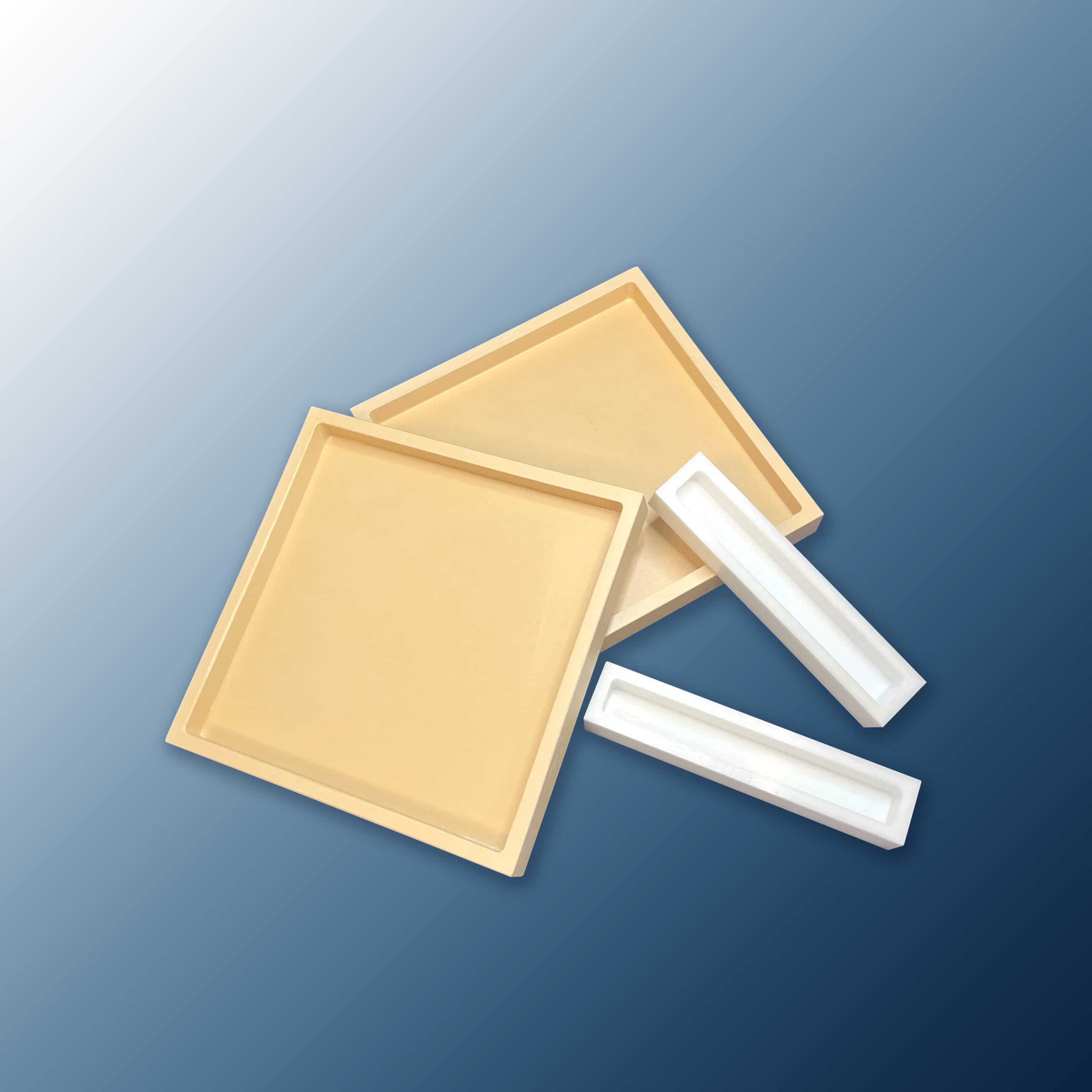
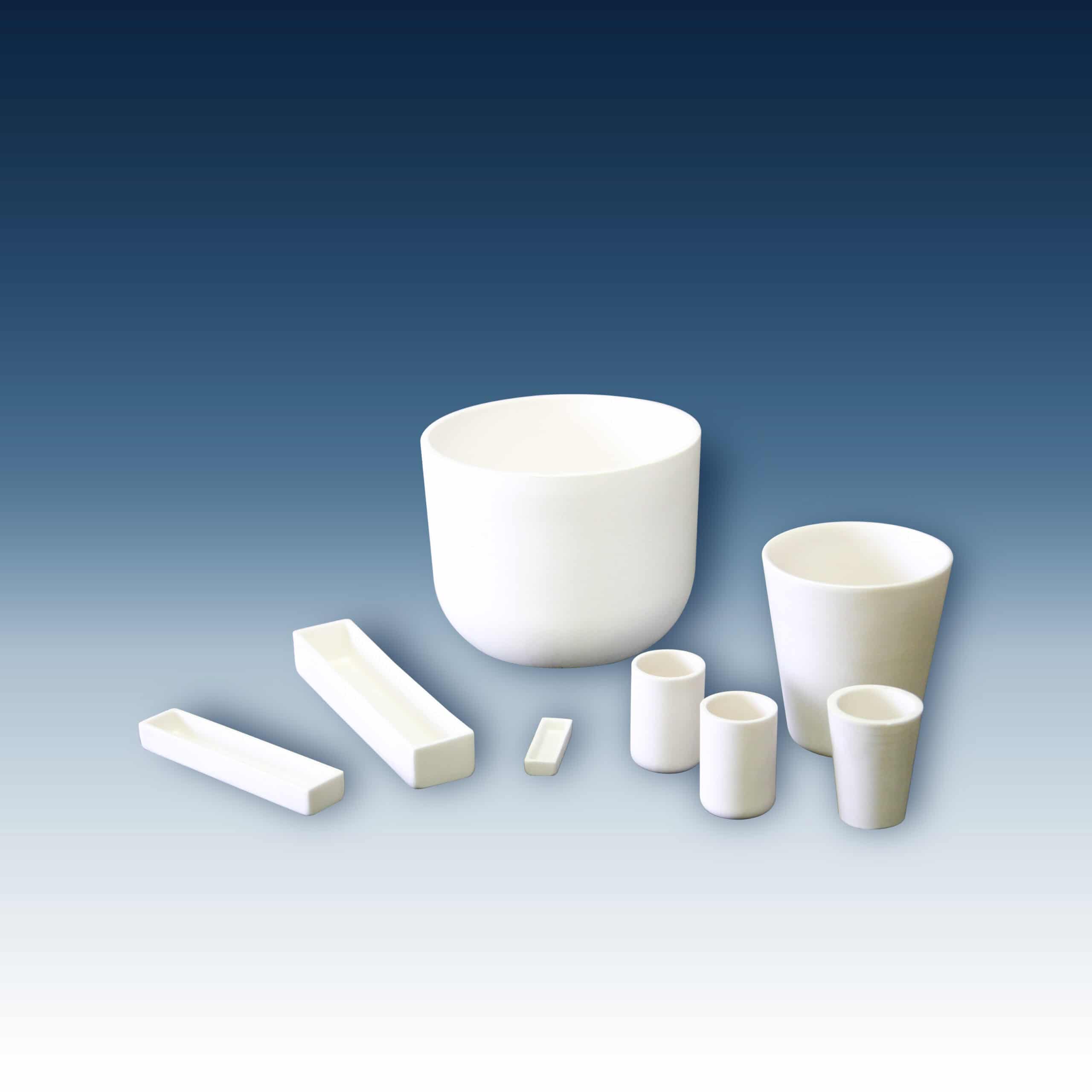
Zirconia (ZrO₂), also known as zirconium dioxide, is a high-performance ceramic material known for its outstanding mechanical strength, thermal resistance, and chemical stability. Its superior toughness and durability make it one of the strongest oxide ceramics, ideal for use in extreme environments.
At AdValue Technology, we provide custom Zirconia ceramic products in various grades and shapes, tailored to meet specific application requirements.
Please contact us for more information or to request a quote. We are committed to delivering high quality zirconia solutions tailored to your needs.
Where Is the Best Place to Buy Zirconia?
Zirconia is not a material you can afford to get wrong. The grade, the stabilization method, the surface finish, and the form all determine whether your component performs or fails under pressure. Researchers, engineers, and manufacturers who work with extreme temperatures, reactive molten metals, or aggressive chemical environments know this firsthand. AdValue Technology supplies zirconia ceramics for demanding laboratory, furnace, metallurgical, electrochemical, and custom fabrication applications where grade selection and dimensional control matter.
Most suppliers carry one or two grades of zirconia and leave you searching elsewhere when your application calls for something specific. AdValue Technology stocks five distinct grades, each engineered for a different performance envelope:
| Grade | Stabilizer | Key Properties | Best For |
|---|---|---|---|
| 3Y-TZP | 3 mol% Yttria | High strength, fracture toughness, wear resistance | Structural components, wear parts, precision applications |
| 8Y-YSZ | 8 mol% Yttria | High oxygen-ion conductivity, thermal stability | SOFCs, oxygen sensors, electrochemical cells |
| Mg-PSZ | Magnesia | Impact resistance, wear resistance, thermal shock resistance | High-impact, abrasive, and thermally cycled environments |
| Ca-Stabilized | Calcia | High-temperature refractory stability, slag and glass resistance | Glass, slag, and high-temperature refractory-contact environments |
That breadth of selection means you match the grade to the job instead of adapting your process to whatever a limited supplier happens to stock. Different zirconia grades are not interchangeable. 3Y-TZP is typically selected when strength, fracture toughness, and wear resistance are the priority. 8Y-YSZ is used where oxygen-ion conductivity is required, such as SOFCs, oxygen sensors, and electrochemical cells. Mg-PSZ is often preferred for applications involving impact, wear, and thermal shock. Ca-stabilized zirconia may be considered for selected glass, slag, and high-temperature refractory-contact environments. AdValue Technologies helps customers choose the right zirconia grade based on temperature, atmosphere, chemistry, geometry, and tolerance requirements.
One property sets zirconia apart from virtually every other oxide ceramic. When stress is applied, zirconia’s crystal structure undergoes a phase transformation that actively absorbs energy and stops cracks from propagating. This mechanism is called transformation toughening and it explains why zirconia outperforms alumina in fracture toughness and flexural strength. Your component doesn’t just resist the first load. It resists the repeated stresses of real operating conditions over its entire service life.
For applications involving thermal cycling, mechanical loading, or abrasive environments, that toughness is the reason zirconia is worth the investment.
AdValue Technology supplies zirconia in a complete range of product forms:
Many forms can be supplied or quoted with polished, glazed, or application-specific surface finishes, depending on geometry, grade, size, and tolerance requirements.
| Surface Finish | Description | Key Benefit |
|---|---|---|
| Polished | Smooth surface finish applied post-sintering | Reduces melt wetting and sticking; simplifies post-process cleaning |
| Glazed | Seals residual surface porosity | Improved chemical cleanability and contamination resistance |
| Custom Coating | Application-specific surface modification | Modifies surface behavior for specialized process requirements |
Zirconia holds up where other ceramics compromise. Dense zirconia generally offers strong resistance to many acids, bases, and organic solvents, especially under moderate conditions. For hot, concentrated alkalis, fluoride-containing chemistries, molten salts, or unusual reactive environments, compatibility should be confirmed based on temperature, concentration, and exposure time. For researchers running high-purity metal melts or processing reactive alloys, minimal contamination of your sample is non-negotiable. Zirconia delivers exactly that, offering advantages over alumina in many high-purity metal melt and selected glass-contact applications.
It also handles molten glass and alkali-rich slags with far less dissolution than competing materials. If your process touches glass ceramics or industrial slag systems, calcium-stabilized or magnesium-stabilized zirconia from AdValue is the correct choice.
Standard shapes don’t always fit precision setups. AdValue Technology offers fully custom zirconia components with tapered designs, integrated lids, specialized surface finishes, and precise fitting for specific furnace and reactor configurations. Post-sintering machining using diamond tools is available for components requiring the tightest dimensional tolerances. Volume discounts apply to bulk orders, making AdValue a practical partner for both research-scale procurement and production-volume sourcing.
AdValue Technology operates out of Tucson, Arizona and ships domestically and internationally. Their expertise spans advanced ceramics across alumina, zirconia, boron nitride, aluminum nitride, and more. When your application involves material selection decisions that affect process outcomes, you want a supplier whose team understands the science behind the product.
Contact AdValue Technology directly at +1 (520) 514-1100 or at sales@advaluetech.com to discuss your zirconia requirements, request a custom fabrication quote, or ask about volume pricing.
Browse the full zirconia product lineup at advaluetech.com and get the material your application requires.
What is zirconia, and how is it different from other advanced ceramics?
Zirconia, or zirconium dioxide (ZrO₂), is a high-performance advanced ceramic known for its exceptional strength, durability, and heat resistance. Unlike many traditional ceramics that are brittle, zirconia stands out for its unusually high fracture toughness, which is why it’s often compared to metal in terms of robustness. Its crystal structure can be stabilized with additives like yttria or magnesia, giving it additional toughness and thermal stability. Compared to other advanced ceramics such as alumina or quartz, zirconia offers superior mechanical strength,and lower thermal conductivity based on different types of stabilization. These characteristics make it a preferred material for demanding laboratory experiments, high-temperature processing, and industrial production environments where both durability and chemical inertness are essential.
What forms of zirconia (Y-TZP, Mg-PSZ, etc.) are available for research and industrial use?
Zirconia comes in several engineered forms, each designed to meet specific performance needs in research and industrial applications. The most widely used type is 3 mol% yttria-stabilized tetragonal zirconia polycrystal (3Y-TZP), known for its exceptional strength and high fracture toughness. 8 mol% yttria-stabilized cubic zirconia has high oxygen-ion conductivity and is often used in oxygen sensors, high-temperature electrochemical devices and SOFC electrolytes. Another common form is magnesia partially stabilized zirconia (Mg-PSZ), which offers excellent thermal shock resistance and performs well in high-temperature environments. Calcia-stabilized zirconia (Ca-PSZ) and ceria-stabilized zirconia (Ce-TZP) are also available for applications requiring specialized thermal or mechanical properties. These different stabilization methods modify the crystal structure, helping zirconia maintain its toughness and resist cracking even under extreme temperatures or mechanical loads. Researchers and manufacturers choose between these forms based on factors like operating temperature, chemical exposure, and the level of mechanical durability required for their specific processes.
What are the mechanical properties of zirconia (strength, toughness, hardness)?
Zirconia is widely valued for its impressive mechanical properties, which outperform many other advanced ceramics. 3Y-TZP (3 mol% yttria-stabilized tetragonal zirconia polycrystal) stands out for having exceptionally high flexural strength, often exceeding that of alumina, and remarkable fracture toughness, which allows it to resist cracking under stress. Its hardness is also very high, making it durable in abrasive or high-wear environments. These mechanical characteristics come from its unique ability to undergo “transformation toughening,” a mechanism where the material’s crystal structure shifts under stress to absorb energy and prevent crack propagation. This combination of strength, toughness, and hardness makes 3Y-TZP zirconia ideal for demanding applications such as precision bearings, mechanical components, cutting tools and wear parts, and dental crowns and bridges.
How does zirconia perform under high-temperature conditions?
Zirconia performs exceptionally well under high-temperature conditions, which is one of the reasons it is so widely used in laboratories and industrial furnaces. Depending on its stabilized form, some zirconia (such as 8YSZ and Ca-FSZ) can withstand temperatures over 2,000°C under certain conditions without melting or losing structural integrity. It maintains its mechanical strength even when exposed to prolonged heat, unlike many ceramics that become brittle or degrade at elevated temperatures. Zirconia also resists thermal creep, meaning it retains its shape and dimensional stability during long high-temperature cycles. Because of its low thermal conductivity, it acts as an effective insulator, helping protect surrounding components from heat. These properties make zirconia a reliable material for crucibles, furnace linings, heating elements, and any application requiring repeated exposure to extreme heat.
What is zirconia’s thermal shock resistance compared to alumina?
Several forms of zirconia have excellent thermal shock resistance. While many materials crack or fracture when exposed to rapid temperature changes, stabilized zirconia can withstand abrupt heating and cooling cycles with far less risk of failure. Fully stabilized cubic zirconia (8YSZ or Ca-FSZ) is excellent for high temperature cycling, while partially stabilized zirconia (Mg-PSZ or Ca-PSZ) is best for bulk structure parts under cycling. Compared to another commonly used ceramic material -Alumina, alumina survives sudden thermal shock better than alumina, but fully stabilized zirconia often outlasts alumina in long-term high-temperature thermal cycling when ramp rates are controlled.
How chemically inert is zirconia in various environments?
Zirconia is highly valued for its strong chemical stability, making it an excellent choice for environments where reactivity must be minimized. It remains inert across a wide range of pH levels and does not readily react with most acids, bases, or organic chemicals at room temperature. Even at elevated temperatures, zirconia maintains its stability far better than many other ceramic materials. Its resistance to oxidation and corrosion allows it to maintain purity in experiments where contamination must be avoided, such as high-temperature metal melting, chemical analysis, and materials research. Because it does not easily break down or leach elements into samples, zirconia is a trusted material for crucibles, furnace components, and laboratory setups that involve demanding chemical conditions.
Is zirconia resistant to acids, bases, and organic solvents?
Zirconia shows excellent resistance to a wide range of acids, bases, and organic solvents, making it a versatile material for chemically demanding environments. At room temperature, zirconia remains inert in most acidic and alkaline solutions, including strong acids like hydrochloric and sulfuric acid. It also resists attack from common bases and organic compounds, which helps prevent contamination during sensitive experiments. At elevated temperatures, zirconia’s stability remains superior to many other ceramics, though extremely aggressive chemicals such as hot concentrated alkali may eventually cause some degradation. Overall, zirconia’s broad chemical compatibility makes it a reliable choice for crucibles, reaction vessels, and furnace components used in research and industrial processes where exposure to corrosive substances is unavoidable.
How does stabilized zirconia (yttria-stabilized, magnesia-stabilized) differ in performance?
Stabilized zirconia, such as yttria-stabilized (Y-TZP) or magnesia-stabilized (Mg-PSZ) zirconia, differs from pure zirconia primarily in its enhanced mechanical and thermal properties. Pure zirconia tends to undergo phase transformations at certain temperatures, which can lead to cracking or structural failure. By introducing stabilizing dopants like yttria, magnesia, or ceria, these phase changes are controlled, giving the material superior fracture toughness, thermal shock resistance, and dimensional stability. Yttria-stabilized zirconia is particularly strong and wear-resistant, making it ideal for high-stress applications, while magnesia-stabilized zirconia excels in thermal shock applications, such as furnace linings or crucibles subjected to rapid temperature changes. The choice of dopant and stabilization method allows researchers and manufacturers to tailor zirconia’s performance to the specific demands of their experiments or industrial processes.
What are the typical applications of zirconia crucibles in laboratory settings?
Zirconia crucibles are widely used in laboratory settings due to their ability to withstand extreme temperatures and resist chemical attack. They are ideal for high-temperature reactions, metal melting, and glass or ceramic processing, where durability and purity are critical. Zirconia crucibles maintain their structural integrity even under repeated heating and cooling cycles, minimizing the risk of cracking or contamination of samples. Their chemical inertness ensures that the crucible does not react with the materials being processed, making them suitable for sensitive analytical work or materials research. Additionally, zirconia crucibles come in a variety of sizes and shapes, allowing researchers to select the appropriate vessel for specific experimental setups or production needs.
What temperatures can zirconia crucibles safely withstand?
Zirconia crucibles can safely withstand extremely high temperatures, often up to 2,200°C (3,992°F) depending on the stabilization method and usage condition. This makes them ideal for applications such as metal melting, glass processing, and high-temperature chemical reactions. Unlike many other ceramic materials, zirconia maintains its mechanical strength and dimensional stability even at these elevated temperatures, reducing the risk of cracking or deformation. Additionally, zirconia’s low thermal conductivity helps protect surrounding equipment and samples from heat exposure. Its ability to endure repeated heating and cooling cycles without significant degradation makes zirconia crucibles a reliable choice for demanding laboratory and industrial processes.
Does zirconia contaminate samples during high-temperature experiments?
Zirconia is highly valued in laboratories and industrial processes because it exhibits minimal contamination of samples during high-temperature experiments. Its chemical inertness ensures that it does not react with metals, oxides, or other compounds, even under extreme heat. This is particularly important in applications such as metal alloy melting, analytical chemistry, or high-purity material synthesis, where trace contamination could alter experimental results or product quality. -This reliability makes zirconia crucibles and components a trusted choice for researchers and manufacturers seeking consistent, uncontaminated outcomes.
How does zirconia compare to alumina for melting metals or glass?
Alumina crucibles are the more economical choices and can melt common metals and are easier to handle. However, alumina has the risk of Al contamination in ultra-pure melts. In comparison, zirconia has lower wettability, is more inert to reactive metals, and has less contamination in high-purity melts. When melting with molten glass and slags, alumina reacts with Alkali oxides and Borates and can dissolve into glass in some cases. On the contrary, zirconia (8YSZ, Ca-FSZ) has excellent resistance to soda-lime glass, Borosilicate glass, Alkali-rich slags, and has minimal dissolution. Therefore, zirconia crucibles are the premium solution for glass melting, alkali-rich slags, and high-purity applications where chemical inertness and contamination control dominate over cost and thermal shock resistance.
What kinds of thermal expansion characteristics does zirconia have?
Zirconia has a relatively high thermal expansion (~10–11 × 10⁻⁶/K) which is close to steel (~11–13 × 10⁻⁶/K) . This makes zirconia attractive for metal–ceramic interfaces. Fully stabilized zirconia (8YSZ, Ca-FSZ) exhibit smooth, linear thermal expansion with no phase transformation, making them suitable for high-temperature cycling, while partially stabilized and tetragonal zirconia require more careful thermal management.
Can zirconia be used in microwave-assisted experiments?
Zirconia—especially fully stabilized zirconia (8YSZ or calcium-stabilized)—can be used effectively in microwave-assisted experiments. It is weakly microwave-transparent at room temperature but becomes a strong absorber at elevated temperatures due to ionic conduction. With proper use of susceptors and controlled heating, zirconia performs far better than alumina in microwave environments and offers excellent chemical and high-temperature stability.
How should zirconia components be cleaned and maintained?
Proper cleaning and maintenance of zirconia components are essential to ensure their longevity and performance. Zirconia’s chemical inertness makes it resistant to most acids, bases, and solvents, so cleaning can often be done using mild detergents, deionized water, or standard laboratory solvents without damaging the material. For high-temperature applications, it’s important to allow zirconia components to cool gradually before cleaning to prevent thermal shock. Avoid using abrasive tools or harsh mechanical scrubbing, as this can scratch or weaken the surface over time. Regular inspection for cracks, chips, or wear can help identify when a component needs replacement. Following these guidelines ensures zirconia crucibles, rods, or tubes remain reliable for repeated laboratory and industrial use.
Are zirconia crucibles reusable, and how many cycles can they typically handle?
Yes, zirconia components are reusable and can typically withstand multiple heating and cooling cycles if properly handled. However, the number of cycles a zirconia crucible or component can endure depends on factors such as the maximum temperatures reached, the rate of heating and cooling, and the types of materials processed. Careful handling, gradual temperature changes, and regular inspection for cracks or surface wear can significantly extend their usable lifespan, making zirconia a cost-effective and durable choice for high-temperature applications.
What is the recommended ramp-up and cool-down rate when using zirconia at high temperatures?
When using zirconia at high temperatures, it is important to follow recommended ramp-up and cool-down rates to minimize the risk of thermal shock and cracking. Fast heating or cooling can create big thermal gradients and cracking risks.The exact ramp rates depend on the zirconia grade, component size, and the peak temperature of the process, but following manufacturer guidelines is essential. Proper temperature management helps extend the life of zirconia crucibles, tubes, and other high-temperature components while maintaining safe and reliable performance in laboratory and industrial applications.
Are zirconia products compatible with induction furnaces?
Yes, zirconia products are generally compatible with induction furnaces, making them suitable for high-temperature melting and processing applications. Because zirconia is a non-conductive ceramic, it does not heat directly from induction; instead, it is typically used as a crucible or liner to contain metals or other materials that are heated inductively. Its high thermal stability and chemical inertness allow it to withstand the extreme temperatures generated in induction furnaces without degrading or contaminating the melt, making it a reliable choice for both laboratory and industrial metalworking applications.
What dimensions and customization options are available for zirconia components?
Zirconia components are available in a variety of material forms and dimensions to meet specific experimental or industrial requirements. AdValue Technology offers a comprehensive selection of zirconia forms to meet a wide range of application needs, and provide custom fabrication to accommodate unique shapes, diameters, or wall thicknesses. Customization can include features like tapered designs, specialized surface finishes, or integrated lids to suit specific processes. Working with a supplier to define exact dimensions ensures that zirconia components fit precisely within furnaces, reactors, or laboratory setups, optimizing performance, safety, and efficiency for the intended application.
How does porosity differ between various zirconia grades?
The porosity of zirconia can vary depending on its grade, processing method, and intended application. High-density, fully sintered zirconia has very low porosity, which makes it ideal for applications requiring chemical inertness, high strength, and minimal sample contamination. 3Y-TZP is the densest zirconia, while fully stabilized and partially stabilized zirconia intentionally retain slightly higher porosity to improve thermal stability ensure durability, thermal stability, and purity of materials being processed. Understanding the porosity characteristics helps researchers and manufacturers select the right zirconia grade for their specific needs.
Are polished, glazed, or coated zirconia options available?
Yes, zirconia components are available in polished, glazed, or coated finishes to suit different experimental and industrial needs. Polished zirconia surfaces offer smooth, low-porosity finishes that reduce surface flaws for higher strength, facilitate easy cleaning, reduce melt wetting and sticking and improve dimensional precision. Glazed zirconia is application-specific that is common in dental zirconia or some specialty labware. The glazed zirconia surfaces seal residual surface porosity, improve chemical cleanability and improve aesthetics (color, gloss, etc.). Zirconia can also be intentionally coated to modify surface behavior. Selecting the appropriate surface finish ensures that zirconia components perform optimally for the intended application while extending their service life.
What safety considerations are needed when handling zirconia products?
When handling zirconia products, safety considerations are generally minimal compared to reactive metals or hazardous chemicals, but some precautions are still important. Zirconia is chemically inert and non-toxic, but fine zirconia powders can pose an inhalation risk, so appropriate personal protective equipment (PPE), such as dust masks or respirators, should be used during grinding, cutting, or machining. High-temperature zirconia components, like crucibles or furnace parts, can cause burns if handled without heat-resistant gloves. Care should also be taken to avoid dropping or striking zirconia items, as sudden impact can cause chipping or cracking. Following standard laboratory or industrial safety practices ensures that zirconia can be used safely and effectively in a wide range of applications.
How do zirconia tubes and rods perform in gas flow or furnace applications?
Zirconia tubes and rods perform exceptionally well in gas flow and furnace applications due to their high thermal stability, chemical inertness, and mechanical strength. In furnaces, fully-stabilized zirconia tubes such as 8YSZ and Ca-FSZ are commonly used as process tubes, protective liners, thermocouple sheaths, or supports, maintaining dimensional integrity even under repeated heating and cooling cycles. Zirconia tubes have excellent chemical inertness which makes them highly compatible for gas flow applications (air, N2, Ar, He, Co2, most halogen-free process gases, and many CVD/MOCVD environments). Zirconia rods are also frequently used as supports, spacers, or stirring implements in high-temperature setups. The superior chemical inertness and high-temperature stability of zirconia makes it an ideal material for a wide range of laboratory and industrial gas-handling and furnace applications.
What are the electrical insulating properties of zirconia?
Zirconia is an excellent electrical insulator at room and moderate temperature. At high temperature (~700-1000 °C), fully stabilized zirconia (8YSZ, Ca-FSZ) becomes an oxygen-ion conductor while remaining electronically insulating. Tetragonal zirconia (3Y-TZP) remains strongly insulating over a wide temperature range.
Is zirconia suitable for thermal analysis equipment (TGA, DSC, DTA)?
Yes, zirconia is highly suitable for thermal analysis equipment such as TGA (thermogravimetric analysis), DSC (differential scanning calorimetry), and DTA (differential thermal analysis). Its high thermal stability and chemical inertness ensure that it does not react with samples or release contaminants during heating. Zirconia crucibles, pans, or liners can withstand the heating and cooling cycles typical of these instruments without cracking or deforming. Additionally, its low thermal conductivity and consistent dimensional stability allow for accurate and reproducible measurements. For researchers and technicians, zirconia components provide a reliable, long-lasting solution for precise thermal analysis experiments.
Are zirconia parts suitable for use in corrosive chemical vapor environments?
Yes, zirconia parts are well-suited for use in corrosive chemical vapor environments due to their exceptional chemical inertness and thermal stability. They resist attack from a wide range of acids, bases, and reactive gases, even at elevated temperatures, which helps maintain the integrity of both the component and the experiment or process. This makes zirconia ideal for applications such as chemical vapor deposition, high-temperature gas reactors, and corrosive atmosphere furnaces. Its low porosity microstructure prevents gas permeation and contamination, ensuring that reactions proceed under controlled conditions. Overall, zirconia’s combination of chemical resistance, mechanical strength, and thermal stability makes it a reliable choice for demanding gas-phase applications.
Are there volume discounts for bulk zirconia orders?
Yes, AdValue Technology offers volume discounts for bulk zirconia orders, making it more cost-effective for laboratories or industrial operations that require multiple components. Purchasing in larger quantities can reduce the per-unit cost of crucibles, rods, tubes, or other zirconia products, while also ensuring a consistent supply for ongoing experiments or production processes. Working with the supplier to understand pricing tiers, lead times, and shipping logistics ensures that organizations can maximize both cost savings and operational efficiency when sourcing zirconia in larger quantities.
What industries commonly use zirconia in production?
Zirconia is used across a wide range of industries due to its exceptional thermal, mechanical, and chemical properties. Zirconia (especially 3Y-TZP, Mg-PSZ) are used as advanced ceramics & structural components due to the high strength, fracture toughness and wear resistance. In metallurgy and metalworking, zirconia crucibles and components are used for melting and processing high-purity metals and alloys. The ceramics and glass industry relies on zirconia for high-temperature furnaces, molds, and processing equipment. In chemical and pharmaceutical research, zirconia’s chemical inertness and high-temperature stability make it ideal for reaction vessels, thermal analysis, and laboratory experiments. Other applications include energy & electrochemistry where zirconia are used as SOFC electrolytes, oxygen sensors, and electrochemical cells, e, and aerospace or semiconductor, where its high temperature capability and chemical stability are critical. Its versatility makes zirconia a key material in any field requiring reliable performance under extreme conditions.
Does zirconia react with molten metals like platinum, gold, or nickel?
Zirconia exhibits excellent chemical compatibility with molten metals such as platinum, gold, and nickel, making it a preferred material for high-temperature metal processing. Its chemical inertness ensures that it does not react with or contaminate the molten metal, preserving the purity and integrity of the material being processed. Zirconia crucibles, liners, and other components can withstand repeated exposure to molten metals at extremely high temperatures without cracking or degrading. This combination of thermal stability, mechanical strength, and chemical resistance makes zirconia a reliable and safe choice for metal melting, casting, and high-temperature alloy research.
Can zirconia be machined after sintering?
Zirconia can be machined after sintering, but it requires specialized techniques due to its hardness and brittleness and is generally difficult and expensive. Conventional metal cutting tools are generally ineffective; instead, diamondtools are used for grinding, cutting, or shaping zirconia components. Machining is typically performed with slow feed rates and careful control to avoid inducing cracks or chipping. Post-sintering machining allows manufacturers to achieve precise dimensions, tight tolerances, and custom shapes that may not be possible during the initial forming process. Proper handling and expert techniques ensure that zirconia retains its mechanical strength, thermal stability, and chemical inertness after machining.
What are the shipping or storage requirements for zirconia materials?
Zirconia materials require careful shipping and storage to maintain their integrity and performance. While zirconia is chemically inert and stable, it is still a brittle ceramic that can chip, crack, or break if subjected to impact or vibration during transport. Components should be securely packaged with cushioning materials to prevent movement and protect delicate edges or surfaces. For storage, zirconia should be kept in a clean, dry environment to avoid dust accumulation, which could affect high-purity applications, and away from extreme temperature fluctuations that might induce stress over time. Following proper shipping and storage practices ensures that zirconia components arrive and remain in optimal condition for laboratory, research, or industrial use.